


 MENU
 SEARCHMENUSEARCH
Loading data...

Twenty-five years after 9/11, New York's fleet response still offers lessons for public agencies preparing for the unexpected. From repurposing equipment to maintaining essential services, the response shows what it takes to keep a fleet moving when the mission changes overnight.
Read More →

North Carolina transportation officials are adding another set of eyes to roads that aren't covered by fixed traffic cameras. A statewide deployment gives NCDOT access to on-vehicle imagery to verify conditions during work zones, severe weather, emergencies, and other traffic events.
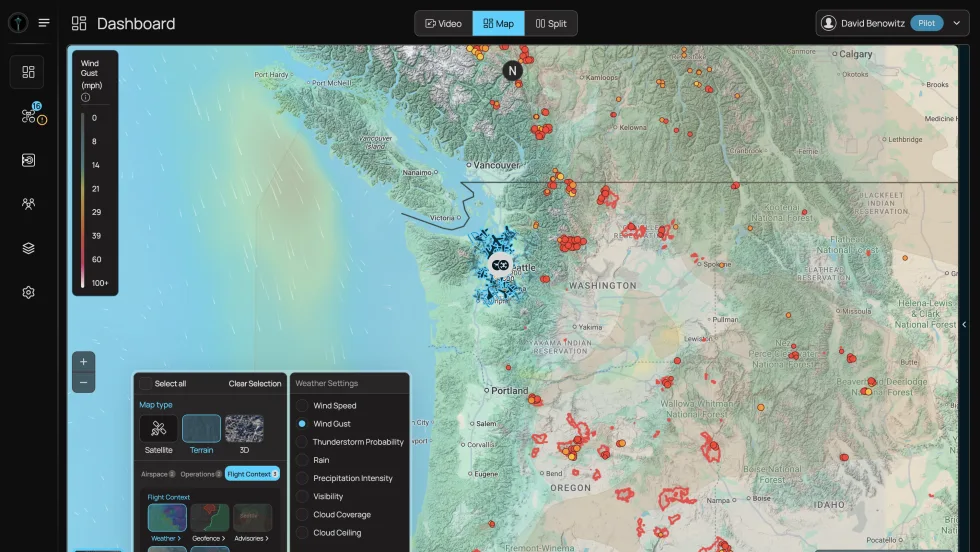
Read More →New map layers give public safety agencies real-time fire detections and smoke conditions integrated directly into LiveOps at no additional cost.
Read More →How a strong accident response process helps government fleets move from the initial report to recovery while building a clearer record for what needs to change next.
Read More →The Paterson Police Department has expanded its drone program and opened a new Real-Time Operations Center designed to support emergency response and incident management. The initiative integrates multiple technologies to provide officers with real-time information during investigations and public safety operations.
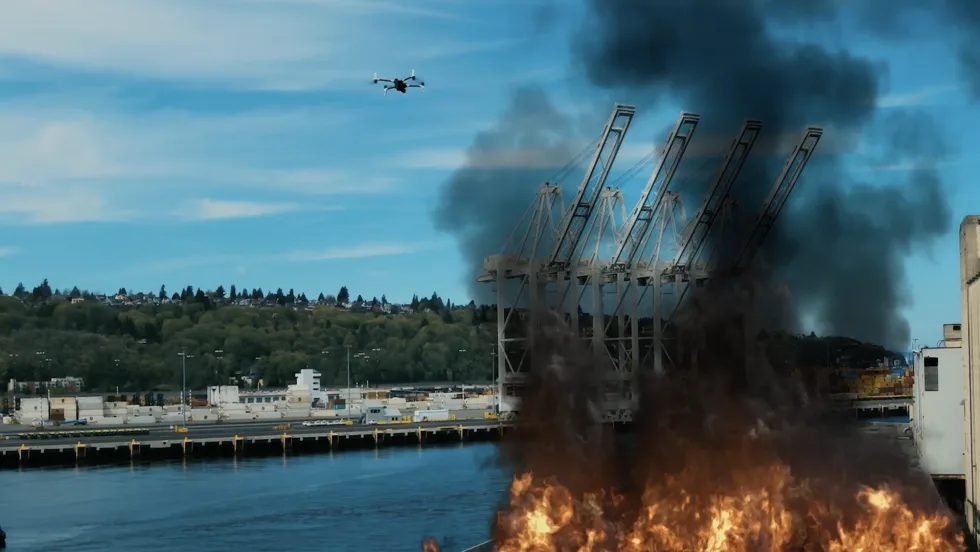
Read More →The partnership aims to provide real-time aerial intelligence to first responders with automated mapping and hotspot detection
Read More →LEHR has acquired Florida-based emergency vehicle upfitter Enforcement One, marking its eighth add-on acquisition.
Read More →Effective crisis communication is critical for fleet leaders navigating high-stakes, fast-moving situations. Clear, timely messaging helps maintain trust, align teams, and ensure operational continuity when disruptions occur. By preparing key messages in advance, leaders can respond with confidence and credibility when it matters most.
Read More →Fleet leaders preparing for disaster response often focus on readiness, speed, and safety. What’s frequently overlooked is how quickly compliance, documentation, and utilization controls can degrade under pressure.
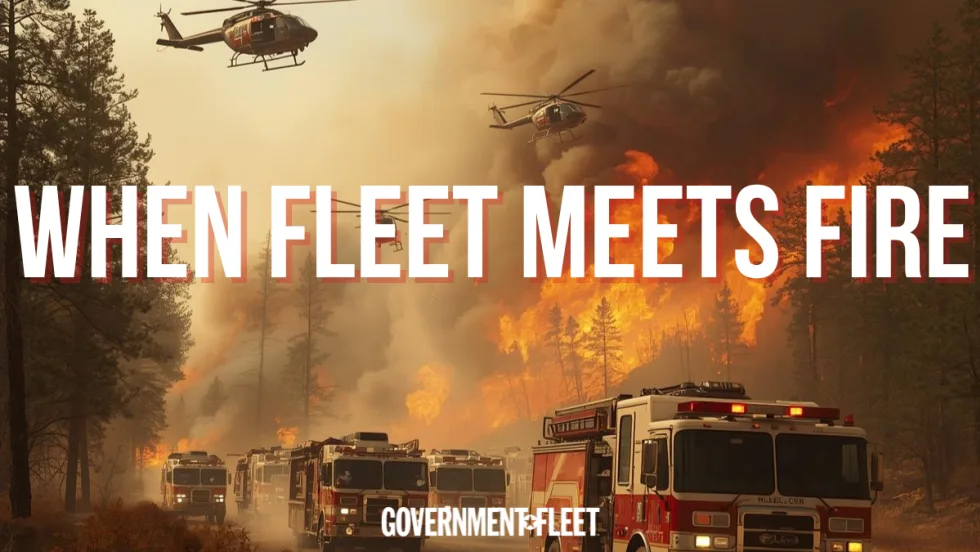
Read More →Behind every wildfire response is a complex network of vehicles, data, and decisions that must work in sync under extreme pressure. Global heating trends require strong fleet coordination and reliable communications to keep crews safe and operations running smoothly.
Read More →