





Miss This? Detroit Deploys HAAS Alert Safety Cloud Across Public Safety Fleet
What to Say When It Matters Most: Crisis Communication for Fleet Leaders
Effective crisis communication is critical for fleet leaders navigating high-stakes, fast-moving situations. Clear, timely messaging helps maintain trust, align teams, and ensure operational continuity when disruptions occur. By preparing key messages in advance, leaders can respond with confidence and credibility when it matters most.
May 6, 2026

Clear, timely communication in the first moments of a crisis helps establish control, credibility, and public trust.
Credit:
Government Fleet
4 min to read
- Crisis communication is crucial for leaders in fleet operations to handle incidents effectively.
- A strategic approach in crisis communication helps maintain clarity and accountability throughout.
- Effective communication from initial response to recovery builds long-term trust in fleet management.
*Summarized by AI
If you ask most anyone what they value most in their leaders, they would probably say transparency and accountability. With every public facing role, communication is paramount in how society views not only the individual and the system they represent.
This is why having a firm crisis communication plan is an integral component to crisis planning for municipal fleet leaders.
While we often focus on what to do with our "boots on the ground" during an active emergency, we tend to overlook the importance of effectively communicating those emergencies to communities.
To find out how fleet leaders can strengthen their emergency communication plans, we spoke with Dan Stoneking, Founder and Vice President, Emergency Management External Affairs Association (EMEAA).
EMEAA is a volunteer-based 501c3 non-profit founded in 2023 to connect, support, and train professionals in crisis communications, external affairs, and emergency management.
Before A Crisis Occurs
As with any disaster and crisis preparation, fleet leaders should have pertinent information at the ready for when a crisis strikes.
Before an incident occurs, fleer leadership should have immediate access to core operational and contact information. This information includes:
- current driver rosters
- emergency contacts
- vehicle inventories
- GPS or telematics access
- maintenance records
- insurance information
- vendor contacts
- towing and recovery partners
- and after-hours leadership contact lists
"Just as important is having pre-developed communication templates for likely scenarios such as crashes, vehicle theft, hazardous material incidents, severe weather disruptions, or employee injuries," he added. "The first questions will come fast, and leaders who spend the first hour hunting for information or drafting statements from scratch are already behind."
Communication Chain of Command
When a serious incident involving a municipal fleet has occurred you must first verify the facts. The last thing you want to do is update the public with incorrect, or incomplete information that can draw scrutiny or cause panic.
Once pertinent information has been identified and confirmed, issue a short holding statement that acknowledges the incident, expresses concern, and commits to providing updates.
Within the first hour of the incident, make sure to inform your communication chain of command.
A fleet crisis communication chain of command should include:
- Fleet Manager or Director
- Executive Leadership
- Legal Counsel
- Human Resources
- Safety or Risk Management
- Public Affairs or Communications Staff
- Operations Leadership
Depending on the incident, law enforcement liaisons, insurance representatives, and outside crisis communication advisors may also play a role.
"The goal is clarity before a crisis occurs. Everyone should know who is authorized to speak, who approves messaging, and who manages internal versus external communications. In a crisis, confusion about roles can quickly become as damaging as the incident itself," he explained.
What to Avoid: Mistakes and Liability
While the goal is transparency, that does not mean that all information has to be disclosed at all times.
As a leader, you have to review the information you are given and then decide what can be shared and when, and then explain why certain details are not ready for public release.
Fleet managers should avoid speculation, assigning blame, or making definitive statements before confirming all the facts.
"Statements such as 'driver error caused the accident,' 'mechanical failure is to blame,' or 'this was unavoidable' can create legal, reputational, and operational risks if later proven inaccurate," he warned.
Stoneking offered the following as a sample statement in case of a vehicle collision:
“In response to an incident involving a municipal vehicle earlier today, emergency personnel are on scene and actively managing the situation. Our immediate priority is the safety and well-being of those involved and the surrounding community. We are working closely with local authorities to gather accurate information and will share updates as soon as they are confirmed. We ask for patience as this situation develops.”
Planning Ahead: What to Know
Ultimately, the most important thing you can do to strengthen your crisis communications is implementing a crisis communication plan.
A strong fleet communication plan should include:
- notification procedures
- communication roles and approval authorities
- stakeholder contact lists
- message templates
- media response protocols
- social media guidance
- employee communication procedures
- and coordination steps with legal, HR, and executive leadership
It should also identify likely crisis scenarios specific to fleet operations, including vehicle crashes, fatalities, cyberattacks affecting telematics or dispatch systems, fuel disruptions, protests, natural disasters, recalls, and supply chain interruptions.
"Most importantly, the plan should be exercised regularly. A plan that exists only as a document is not a plan," he added. "Teams should rehearse roles, messaging decisions, and escalation procedures so that when a real event happens, response feels familiar rather than improvised."
Quick Answers
Effective crisis communication is vital for fleet leaders because it helps maintain trust, align teams, and ensure operational continuity during high-stakes situations.
*Summarized by AI
Subscribe to Our Newsletter
More Disaster Response

25 Years Later: What 9/11 Taught Government Fleets About Emergency Response
Twenty-five years after 9/11, New York's fleet response still offers lessons for public agencies preparing for the unexpected. From repurposing equipment to maintaining essential services, the response shows what it takes to keep a fleet moving when the mission changes overnight.
Read More →
How Fleets Can Streamline Insurance Claims and Repairs
Learn how fleets can speed up storm recovery with proactive claims readiness, VIN accuracy, and pre-storm prep to minimize downtime and repair delays.
Read More →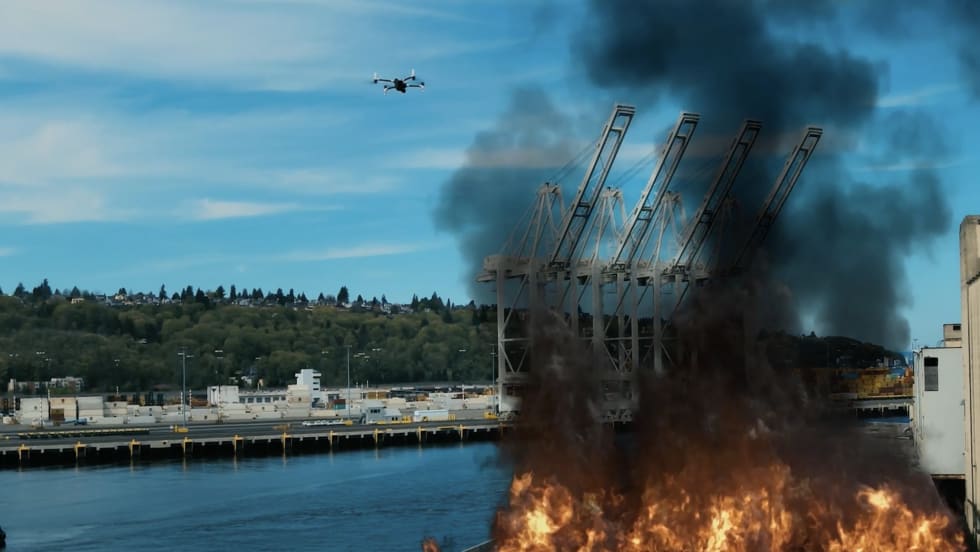
BRINC, Nova Partner to Advance Public Safety Drone Mapping
The partnership aims to provide real-time aerial intelligence to first responders with automated mapping and hotspot detection
Read More →
Building a Power Plan That Holds Up When the Grid Does Not
When the grid fails, a power plan proves its value by holding up under real conditions, not the clean assumptions made on calm days.
Read More →
Compliance Under Chaos: What Fleet Leaders Overlook During Disaster Response
Fleet leaders preparing for disaster response often focus on readiness, speed, and safety. What’s frequently overlooked is how quickly compliance, documentation, and utilization controls can degrade under pressure.
Read More →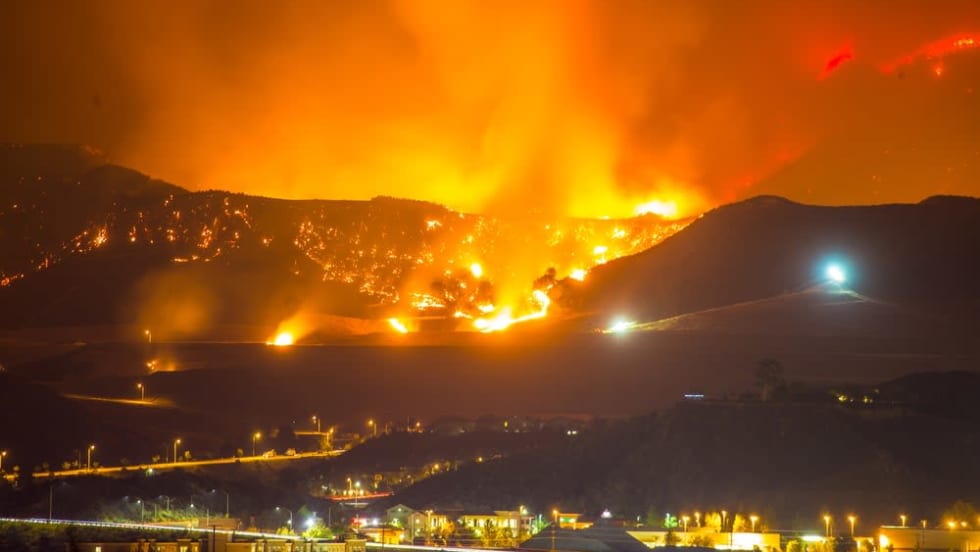
Disaster-Proof Your Fleet: A Resilience Blueprint for Fleet Managers
Build a resilient fleet with this disaster-readiness guide for fleet managers. Learn how to plan, adapt, and lead through any emergency confidently.
Read More →