




25 Years Later: What 9/11 Taught Government Fleets About Emergency Response
Twenty-five years after 9/11, New York's fleet response still offers lessons for public agencies preparing for the unexpected. From repurposing equipment to maintaining essential services, the response shows what it takes to keep a fleet moving when the mission changes overnight.


The 9/11 response pushed public fleets far beyond their everyday roles, putting vehicles, equipment, personnel, and resources to work wherever they were needed. Twenty-five years later, those efforts remain a powerful example of fleet readiness when the unexpected becomes reality.
Government Fleet
- The 9/11 attacks served as a pivotal moment in emergency response, fundamentally altering how municipalities plan for disaster management and highlighting the importance of coordination across various city services.
- The involvement of New York City's diverse fleet, including sanitation, fire, police, and other municipal services, was crucial in handling debris removal and recovery efforts post-9/11.
- The urgent response to the 9/11 attacks underscored the significance of every municipal asset, influencing current strategies for disaster preparedness and resilience planning.
*Summarized by AI
Today is the 25th anniversary of the terrorist attacks of September 11, and that day continues to mold what America is.
Something not achieved before, and hopefully never needed to be achieved again, the emergency response carried out by NY’s fire, police, ambulance, sanitation trucks, dump trucks, front-end loaders, ferries, fuel operations, and the rescue and cleaning of Manhattan after the towers collapsed, would change the way all municipalities plan for future emergency disaster response.
That response also exposed challenges and provided lessons that helped shape how municipalities prepare their people, equipment, and operations for future disasters.
Every Asset Has a Role
The New York City Department of Sanitation (DSNY) dispatched 1,500 sanitation workers, 59 dump trucks, 50 front-end loaders, 10 flushers, and 28 pieces of heavy equipment from Fresh Kills Landfill on Staten Island to help remove debris and clean up within the first 24 hours after the attacks.
Although Fresh Kills Landfill closed in March 2001, it briefly reopened to process World Trade Center (WTC) debris.
Collection trucks and mechanical brooms cleared streets, while flushers suppressed dust. Front-end loaders and excavators loaded debris into dump trucks.
DSNY also activated its marine infrastructure to move material from Manhattan to Fresh Kills for sorting and forensic examination.
Using everything at their disposal, DSNY put much of their equipment to new use. Salt spreaders and collection trucks worked as blockades around specific locations, including the United Nations and One Police Plaza.
For today's fleet manager, this reinforces the value of assets with capabilities that often go beyond their assigned department. In a disaster situation, equipment you already have can become a vital resource.
For the two weeks immediately following the attacks, DSNY supplied fuel for the equipment and vehicles still operating at Ground Zero, including volunteer equipment.
They also provided 40% of the trucks used in the entire recovery effort and provided portable lighting for overnight operations.
With equipment needed to run around the clock, maintenance became increasingly important. Robert Martinez, who would later serve as NYPD’s deputy commissioner of support services, previously spoke with Government Fleet about the attacks and recalled having been assigned to the department's headquarters fleet shop and tasked with keeping it operating around the clock to support vehicles involved in the response.
A fleet may have enough vehicles for the initial response, but sustaining a response for days, weeks, or months requires more than having enough vehicles available on the first day.
Coordinating Across Agencies
The challenges faced in the 9/11 response exposed gaps in interagency communication and coordination.
To improve, Homeland Security Presidential Directive 5 directed the development of the National Incident Management System (NIMS) in 2003, establishing a consistent approach for federal, state, and local governments to work together during domestic incidents.
NIMS incorporated concepts including incident command, unified command, multiagency coordination, and the identification and management of resources.
Later, the 9/11 Commission recommended nationwide adoption and regular use of the Incident Command System and unified command when multiple agencies or jurisdictions respond to an incident.
At the same time, DSNY had to continue its regular refuse collection and street-cleaning operations.
That is the tightrope walk of public-sector emergency fleet management.
Preparedness isn't just how many vehicles you can send to an emergency; it’s also knowing how much capacity must remain behind.
Testing the Emergency Plan
Twenty-five years later, what can we take from what happened on 9/11?
For public fleet managers, that starts with looking beyond the written emergency plan. Taking a closer look at their asset inventories with emergency use in mind is a good start.
Knowing where equipment is located, what it can do, who is qualified to operate it, and which assets must remain available to maintain essential services can make those decisions easier when time is limited.
When was the emergency plan last tested? Does fleet have a seat at the table when the jurisdiction conducts emergency exercises? Are backup fueling locations identified? Can technicians access the shop during an emergency? These are all good questions to ask.
Perhaps the most practical exercise is simply asking the team, “What would stop us from operating tomorrow?” and then working through the answers.
It could be loss of fuel, electricity, communications, a maintenance facility, a critical vendor, key personnel, or access to fleet management systems. Each answer identifies a vulnerability you can address before it becomes part of an emergency.
The response to September 11 showed that public fleets may be asked to do far more than their everyday mission when their communities need them most.
Fleet managers cannot predict what the next emergency will look like, but they can make sure their operations are flexible enough to respond, resilient enough to keep vehicles moving, and prepared enough that the first time they ask the difficult questions isn't during the crisis itself.
Quick Answers
The 9/11 attacks reshaped emergency response planning by highlighting the importance of coordinated asset deployment and effective preparation of personnel and equipment in disaster situations.
*Summarized by AI
More Disaster Response
How Fleets Can Streamline Insurance Claims and Repairs
Learn how fleets can speed up storm recovery with proactive claims readiness, VIN accuracy, and pre-storm prep to minimize downtime and repair delays.
Read More →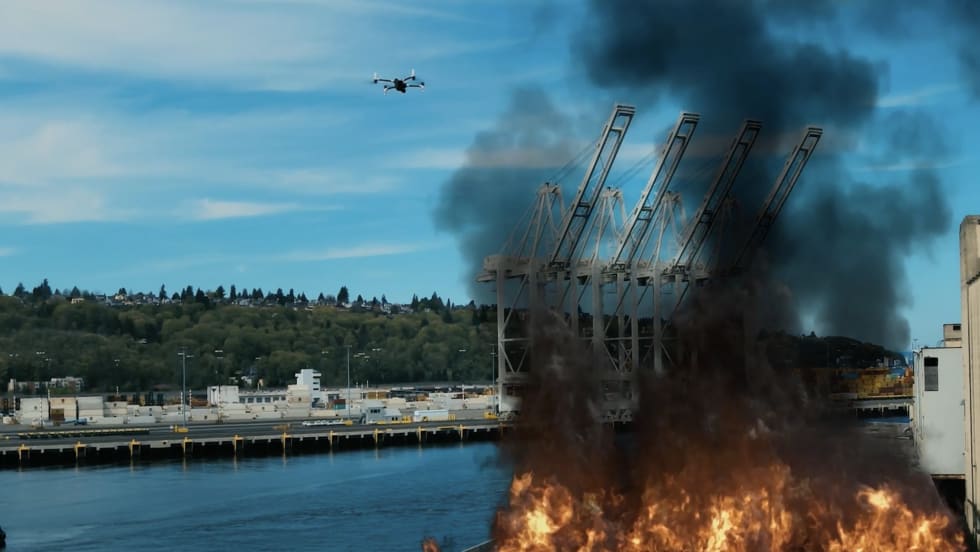
BRINC, Nova Partner to Advance Public Safety Drone Mapping
The partnership aims to provide real-time aerial intelligence to first responders with automated mapping and hotspot detection
Read More →
Building a Power Plan That Holds Up When the Grid Does Not
When the grid fails, a power plan proves its value by holding up under real conditions, not the clean assumptions made on calm days.
Read More →
What to Say When It Matters Most: Crisis Communication for Fleet Leaders
Effective crisis communication is critical for fleet leaders navigating high-stakes, fast-moving situations. Clear, timely messaging helps maintain trust, align teams, and ensure operational continuity when disruptions occur. By preparing key messages in advance, leaders can respond with confidence and credibility when it matters most.
Read More →
Compliance Under Chaos: What Fleet Leaders Overlook During Disaster Response
Fleet leaders preparing for disaster response often focus on readiness, speed, and safety. What’s frequently overlooked is how quickly compliance, documentation, and utilization controls can degrade under pressure.
Read More →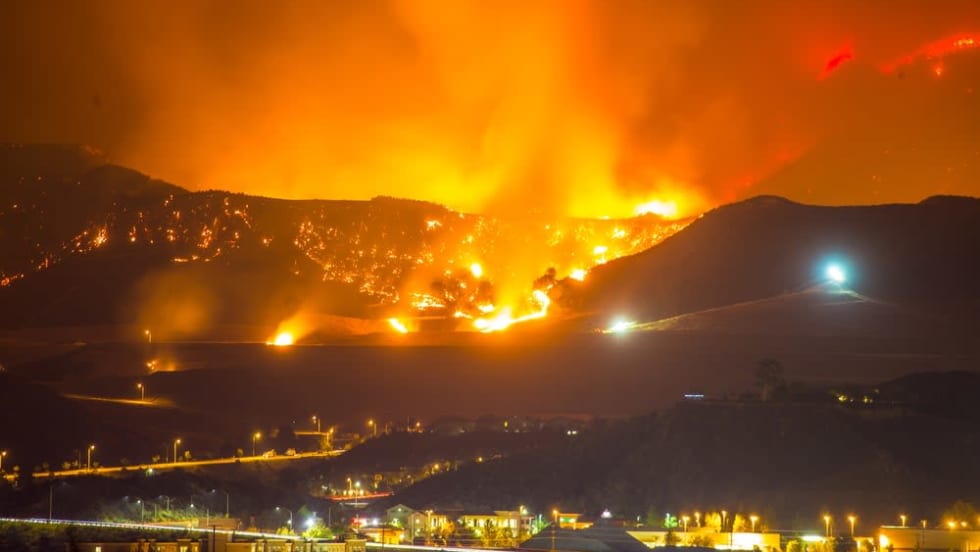
Disaster-Proof Your Fleet: A Resilience Blueprint for Fleet Managers
Build a resilient fleet with this disaster-readiness guide for fleet managers. Learn how to plan, adapt, and lead through any emergency confidently.
Read More →