





Related: Tackling the Cost Avoidance Metric in Government Fleet Operations: Idling Vehicles
Vanair Introduces EPEQ IM HVAC System
Vanair introduced its EPEQ IM HVAC idle management system, designed to reduce engine idling, lower maintenance costs, and extend vehicle life through factory HVAC integration and automated climate control.
May 13, 2026
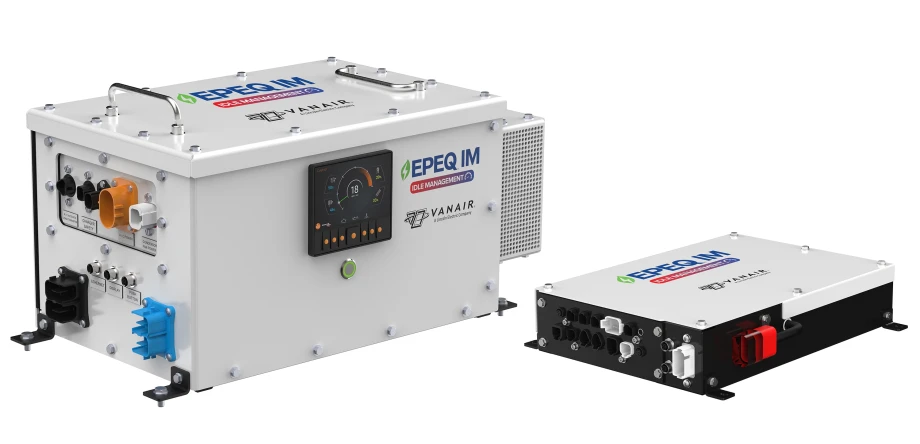
Vanair showcased its EPEQ IM HVAC idle management system, designed to reduce engine idling while supporting factory-integrated heating and cooling for commercial fleet vehicles.
Credit:
Vanair
3 min to read
- Vanair has launched the EPEQ IM HVAC system aimed at reducing vehicle engine idling.
- The system integrates with factory HVAC setups to automate climate control in vehicles.
- By minimizing idling, it aims to decrease maintenance costs and enhance vehicle longevity.
*Summarized by AI
Vanair, a Lincoln Electric company, is showcasing its EPEQ IM HVAC system at ACT Expo 2026 and the Electric Utility Fleet Managers Conference. The system is designed to reduce unnecessary engine idling, helping fleets lower maintenance costs, reduce vehicle wear, extend service life, and cut emissions.
The company said the system addresses growing concerns over rising vehicle acquisition costs and extended fleet replacement cycles. According to Vanair, every hour of engine idling can create wear equivalent to 25 to 33 miles of driving, increasing maintenance costs and accelerating depreciation.
Factory HVAC Integration Simplifies Installation
Unlike aftermarket systems that require separate HVAC units, the EPEQ IM HVAC integrates with factory heating and air-conditioning components. For cooling, an auxiliary compressor works alongside the OEM air-conditioning system and uses factory vents for climate control. For heating, a fuel-fired auxiliary heater warms coolant through the factory heater core and engine block.
When the vehicle shuts down, the system automatically transfers electrical loads such as headlights, blower fans, and interior lighting from the starting battery to the EPEQ battery system to prevent battery drain. An internal thermostat monitors cab temperature and can automatically restart the engine if auxiliary systems cannot maintain conditions in extreme weather.
The company said the system’s two-module architecture reduces installation connection points by about 44% compared to traditional idle management systems. Plug-and-play OEM-style connectors also reduce installation time by as much as 50% while minimizing wiring modifications.
Centralized Controls and Automated Idle Management
The system operates through a 4.3-inch display that serves as a central control interface for idle management, battery status, compressors, and other EPEQ equipment.
Managers can set automatic shutdown timers to support compliance with anti-idling regulations. The system is designed to reduce reliance on operator intervention and help fleets meet local idling restrictions.
“We focused on eliminating the installation challenges and operational complexity that prevent fleets from adopting idle management technology,” said Ralph Gee, idle management engineer at Vanair. “The two-module design with plug-and-play connections reduces installation time and failure points, while factory HVAC integration means crews get the same comfortable air delivery they’re accustomed to without added dashboard units.”
Designed to Reduce Operating Costs
Vanair cited data from a Tennessee quarry operation using EPEQ IM that reduced fuel consumption from 10-15 gallons to 2-3 gallons per eight-hour shift. According to the company, that equates to roughly $17,000 in annual fuel savings per vehicle.
The system is also designed to reduce engine wear, extend oil change intervals, and delay major maintenance events by lowering idle hours. The baseline 48-volt, 5-kWh ELiMENT battery supports several hours of engine-off climate control, with additional batteries available for longer runtime requirements.
“This technology addresses the fundamental business challenge facing fleet managers today: vehicles cost more to acquire and must last longer in service,” said Chip Jones, national manager of Electrified Products Group for Vanair. “The EPEQ IM HVAC helps protect that investment by reducing the engine hours that drive maintenance costs and depreciation.”
Production Planned for Late 2026
Vanair said the EPEQ IM HVAC system incorporates technology from Grip Idle Management, which the company acquired in January 2024. The current system reflects roughly two years of development integrating Grip technology with the EPEQ platform.
Production units are expected to begin shipping in the fourth quarter of 2026 and will support a range of vehicle makes and configurations.
Quick Answers
The main purpose of the Vanair EPEQ IM HVAC system is to reduce engine idling, lower maintenance costs, and extend vehicle life through factory HVAC integration and automated climate control.
*Summarized by AI
More Equipment
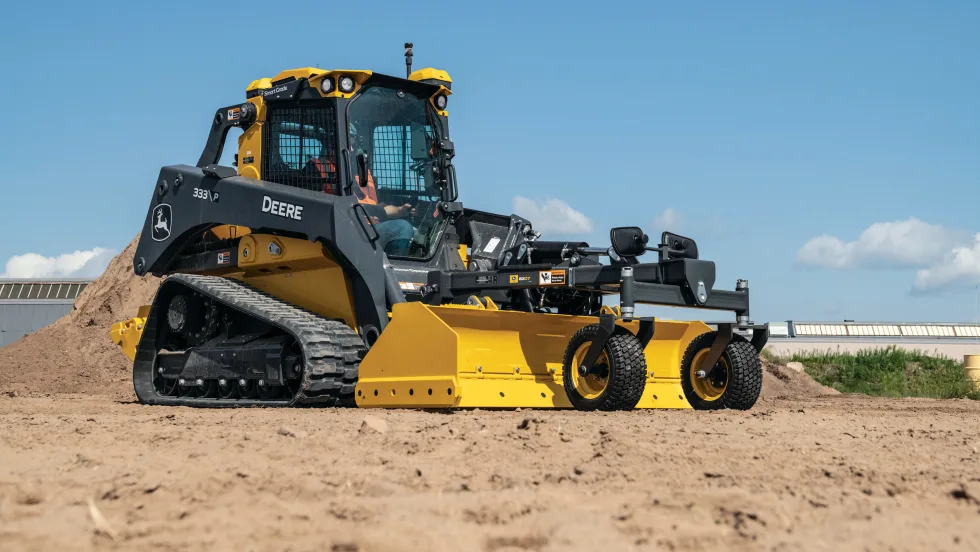
John Deere Adds SmartGrade Box Blades, Fire Suppression Option
John Deere is expanding the capabilities of its compact track loaders with new grading attachments and an equipment protection option. The additions include two SmartGrade box blades for the 333 and 335 P-Tier models and an integrated fire suppression system for large-frame machines.
Read More →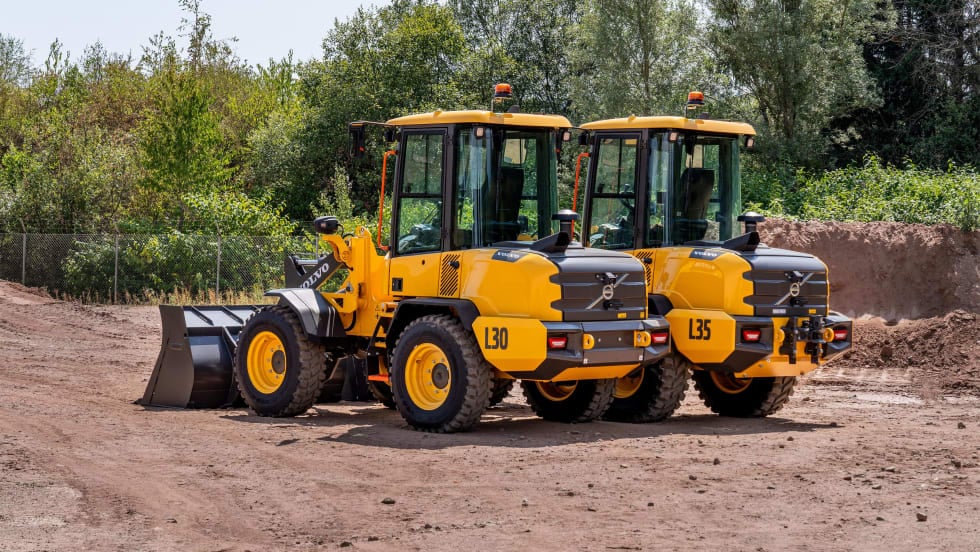
Volvo Updates L30 and L35 Compact Wheel Loaders With Redesigned Rear Frame
The updates aim to provide customers with more flexibility to use the machines for different jobs while improving service access and everyday operation.
Read More →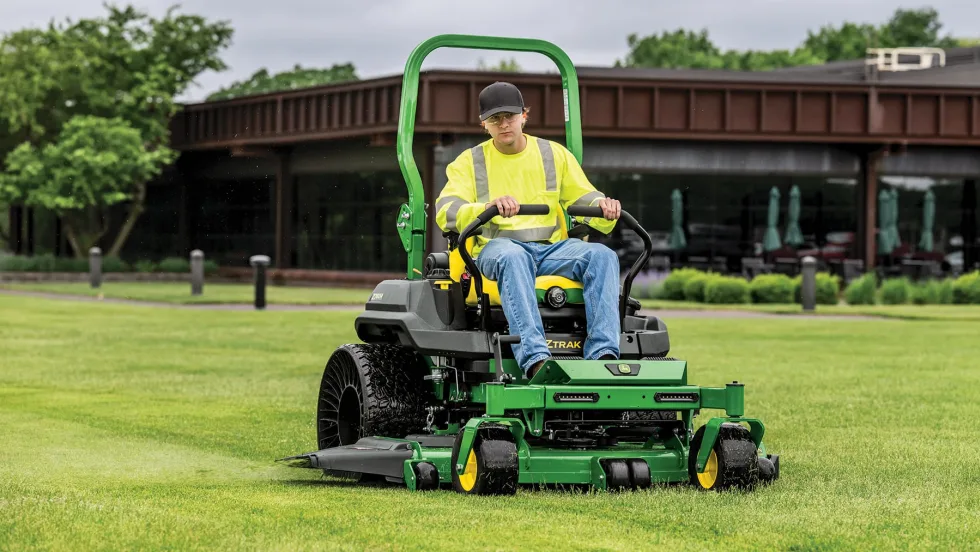
John Deere Updates Z700 ZTrak Commercial Mower Lineup
Public agencies responsible for maintaining large properties have several updated mower options from John Deere. The refreshed Z700 ZTrak lineup adds upgraded engines, transmissions, mower decks, and operator features across four models.
Read More →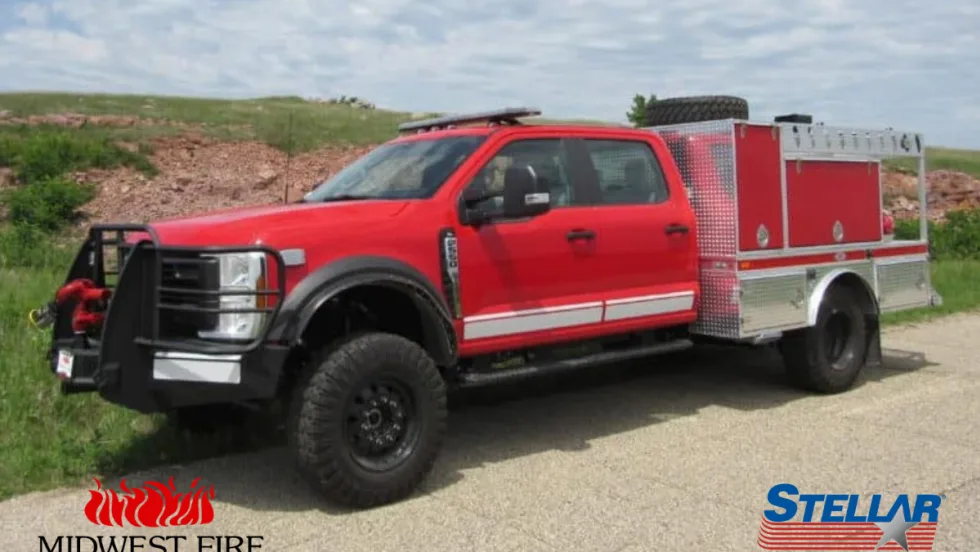
Stellar Industries Acquires Midwest Fire
The acquisition brings a manufacturer of custom fire apparatus under Stellar Industries, expanding the work-truck manufacturer into the fire and emergency response market. Midwest Fire will continue operating from its existing Minnesota headquarters as a distinct company.
Read More →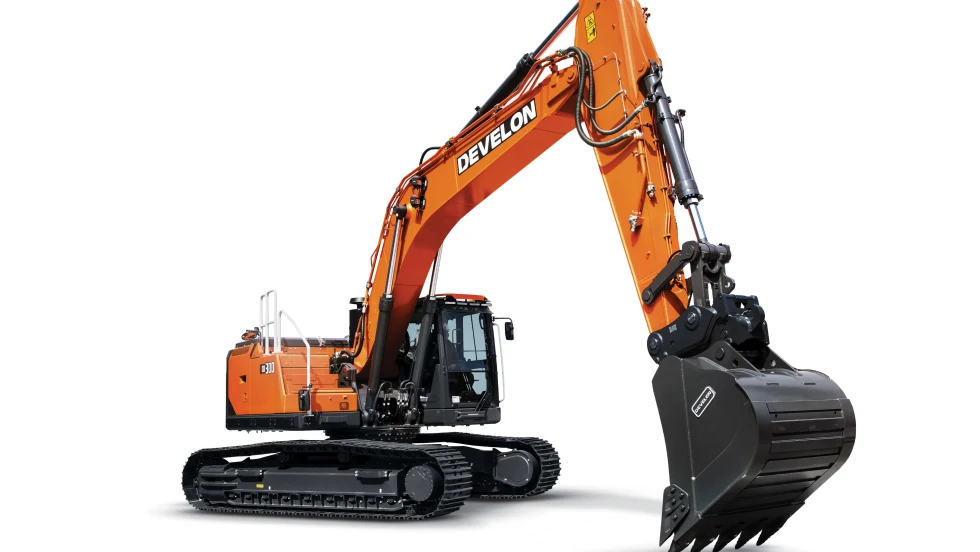
DEVELON Adds DX300LC-9 Excavator to -9 Series
For public works operations handling infrastructure, road, and utility projects, DEVELON has added a new 33-metric-ton excavator to its equipment lineup. The DX300LC-9 combines updated controls with technology designed to address operator safety, equipment monitoring, and machine operation.
Read More →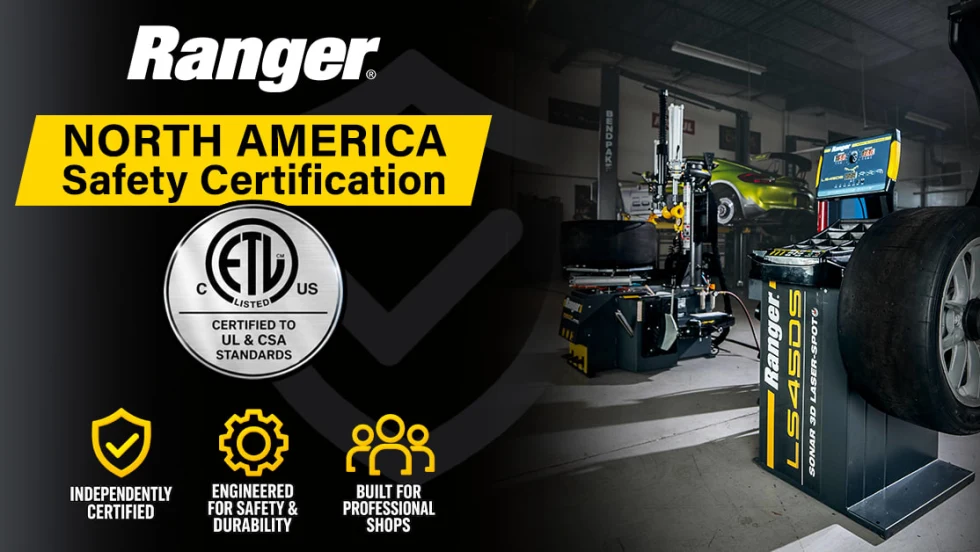
BendPak Ranger Wheel Service Equipment Receives Safety Certification
Equipment used every day in fleet maintenance shops comes with its own set of safety considerations. Following an 18-month redesign and testing process, BendPak's Ranger tire changers and wheel balancers have received certification to applicable U.S. and Canadian safety standards.
Read More →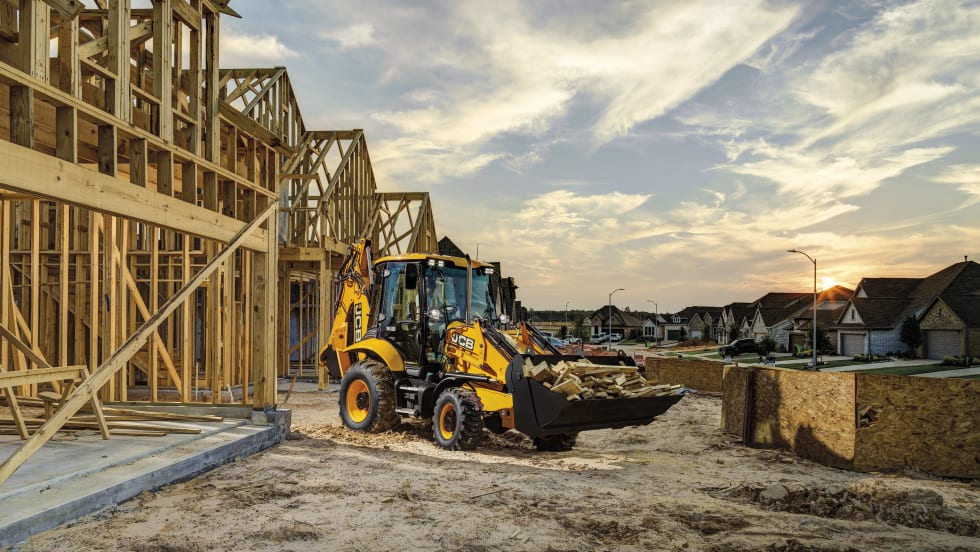
JCB Introduces Dual Drive System for Backhoe Loaders
Public works operators traditionally switch positions and controls each time they reposition a backhoe during excavation. JCB's new Dual Drive system is designed to allow operators to move the machine while remaining at the excavator controls.
Read More →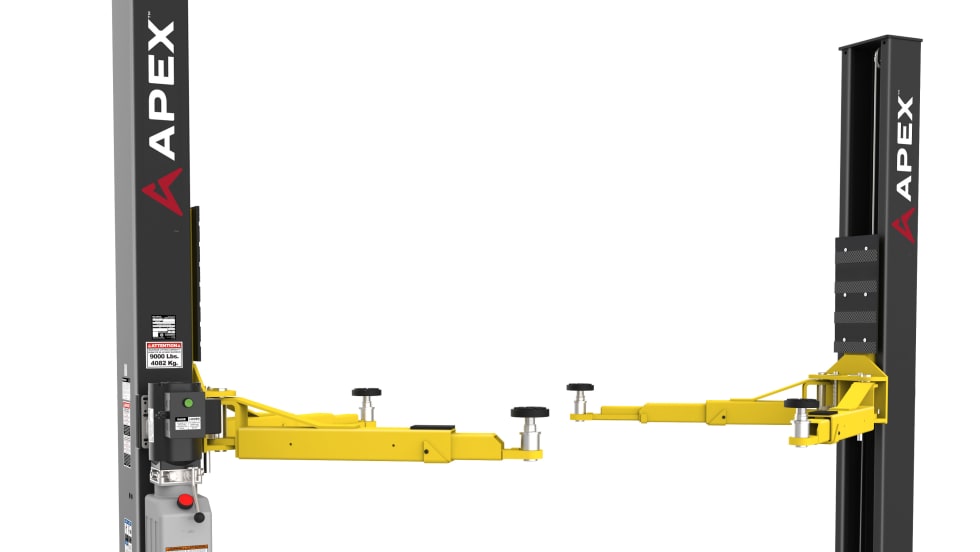
APEX by BendPak Launches AL9LC Two-Post Lift
The new low-ceiling floorplate car lift is designed to maximize overhead clearance for fleets.
Read More →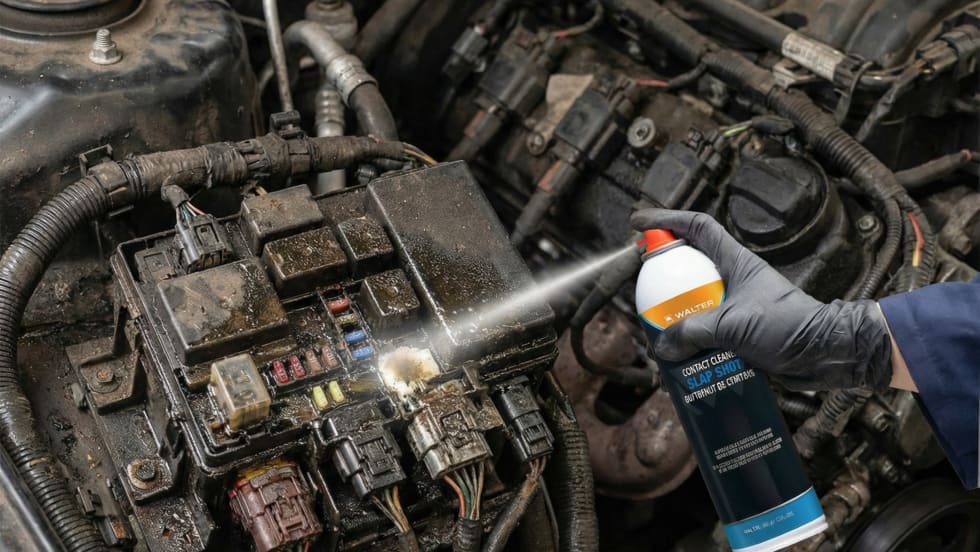
New Slap Shot Contact Cleaner: Heavy-Duty Cleaning Power Without the Residue
Slap Shot Contact Cleaner combines fast contaminant removal, rapid evaporation, moisture displacement, no-wipe cleaning, non-conductive performance, and residue-free cleaning into a single solution.
Read More →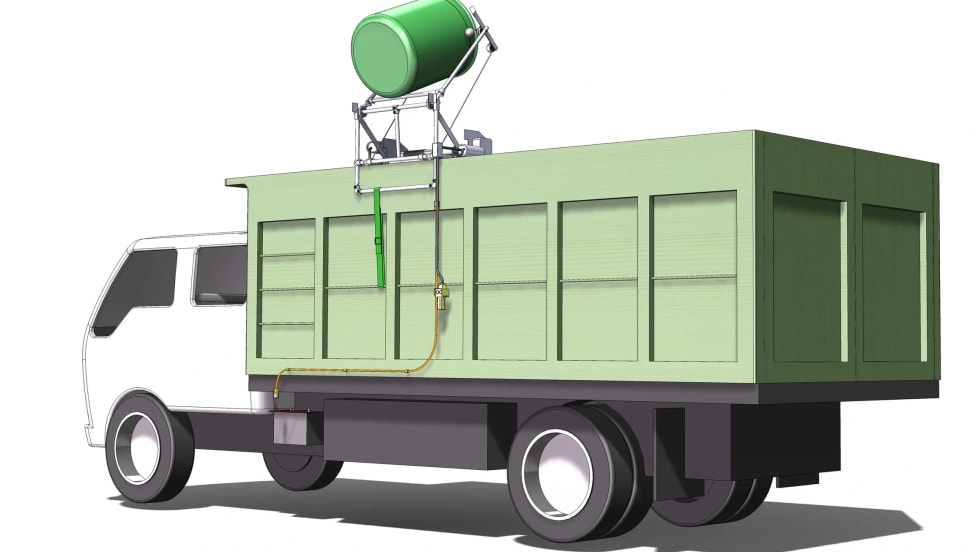
New Powered Carry Barrel Lift Helps Crews Dump Heavy Barrels Into Trucks With Less Manual Lifting
The Carry Barrel Lift is a new truck-mounted attachment designed to help landscape and municipal crews lift and dump heavy 60-gallon barrels more efficiently while reducing manual strain.
Read More →