


 MENU
MENU SEARCHMENUSEARCH
Loading data...
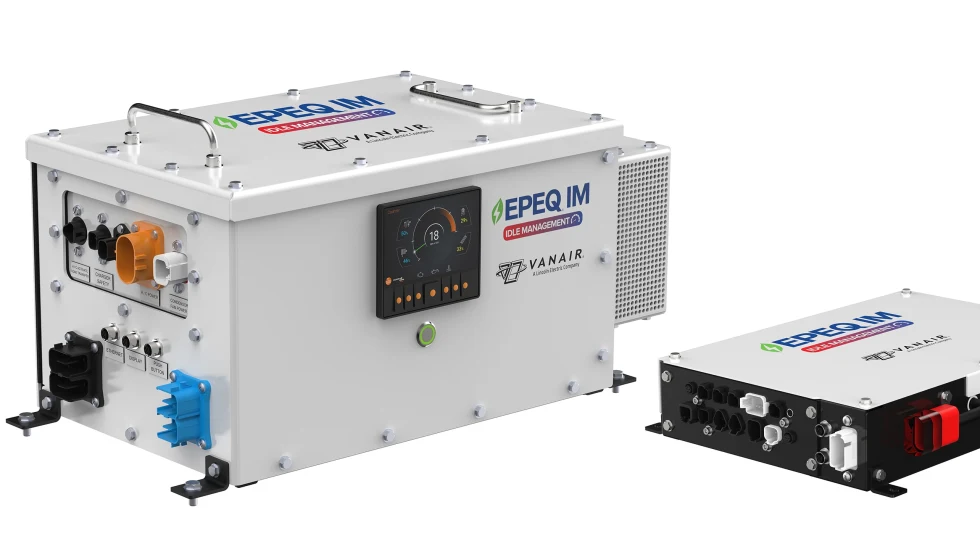
Vanair introduced its EPEQ IM HVAC idle management system, designed to reduce engine idling, lower maintenance costs, and extend vehicle life through factory HVAC integration and automated climate control.
Read More →





The City of Amarillo, Texas, implemented a GPS fleet tracking system for more than 400 city vehicles in November and reported it is saving $19,154.85 a month.
Read More →Pima County, Ariz., has reduced its fleet idling from 122,000 hours in fiscal-year 2018 to 99,000 hours in fiscal-year 2019.
Read More →One benefit of the fleet community is the ability to learn from each other’s good (and bad) experiences. Fleet managers share the initiatives that have found them success, and offer guidance on the challenges they faced along the way.
Read More →Ventura County, Calif., reduced fleet idling by using telematics to determine which vehicles idled the most and providing this information to department heads.
Read More →The City of San Francisco has been able to reduce its monthly count of fleet speeding incidents, likely due to telematics reporting data and increased safety measures.
Read More →In a pilot of vehicle calibration software, Dakota County, Minn., fleet vehicles saw an 8% average drop in fuel consumption.
Read More →In a successful pilot of anti-idling software across a variety of its vehicles, the City of Ontario, Calif., saw a fuel use reduction of 16%, prompting its fleet manager to call for expanded use.
Read More →The City of Orlando has saved over 400,000 gallons of fuel in one year through a number of fuel-saving measures, including idle reduction technology in its law enforcement vehicles.
Read More →Bosch's heavy-duty batteries are maintenance-free and developed to withstand the extreme conditions unique to heavy-duty vehicles, including extended idling and severe temperatures.
Read More →