





Similar Content: Two Major Principles of Retaining Technicians
Mechanics in Alabama Town to Get Pay Raise
The City of Tuscaloosa council approved the increase, along with changes in the job titles and descriptions, at a recent meeting.
April 20, 2022

Photo: Pixabay
2 min to read
Mechanics working for the fleet maintenance department at the City of Tuscaloosa (Alabama) will see an increase in wages.
The city council approved the increase, along with changes in the job titles and descriptions, at a recent meeting.
In one case, the “equipment mechanic” will be retitled “fleet services mechanic.” The job will have a higher pay grade. In a letter to the chief human resources officer, Kevin Turner, the city director of logistics and asset management, said the equipment mechanic title can be misleading — implying that the position would mainly work on lawnmowers, backhoes, tractors, etc. In reality, Turner wrote, this mechanic works on a wide variety of equipment and vehicles like fire engines, refuse trucks, dump trucks, and other vehicles. Turner explained that the title would help recruit mechanics to work on the city’s wide variety of vehicles and help with existing employee morale. According to an article in The Tuscaloosa News, the change carries a starting pay bump from $49,113 to $50,578.
There will also now be a “fleet services mechanic senior” position, which comes at a starting pay of $53,507. According to The Tuscaloosa News, the only way workers in the department could previously move up to higher positions would be when there was a vacancy. This update will provide current employees a pathway to be promoted to the senior-level job — by obtaining required certifications and years of service.
Another change will update and retitle the entry-level “automotive service helper” job. It will now be called “fleet services assistant.” In his letter, Turner said that the term “helper” is outdated and carries a negative connotation. The change, Turner explained, will also help recruit new workers and help with existing employee morale. According to The Tuscaloosa News, that change includes a boost in starting pay from $34,470 to $37,398.
More Operations
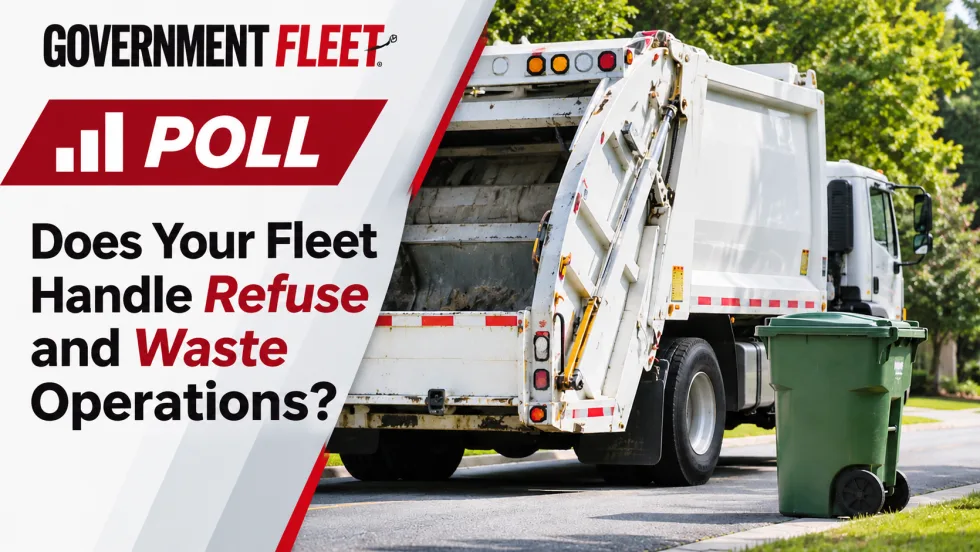
Does Your Government Fleet Handle Refuse and Waste Operations? Take Our Poll
Government Fleet wants to hear from public-sector fleet professionals about their responsibilities for refuse collection and waste management equipment.
Read More →
Fleet Replacement Decisions, Waste Fleet Technology and the GFX Deadline
Is your next vehicle the right fit, can your records settle a missed pickup dispute, and what could your fleet teach others at GFX 2027?
Read More →
Is Delaying Fleet Replacement Really Saving Money?
Could delaying replacement cost your fleet more than it saves? This week’s recap takes a closer look, plus an update on GFX 2027.
Read More →
What Government Fleets Are Missing About Their True Costs
What are fleet budgets missing, and how can agencies use the data they already collect to make a stronger case for change?
Read More →
Rethinking Fleet Decisions From the Budget Office to the Shop
This October we looked back at how public fleets are reconsidering familiar processes and using what they learn to make better decisions.
Read More →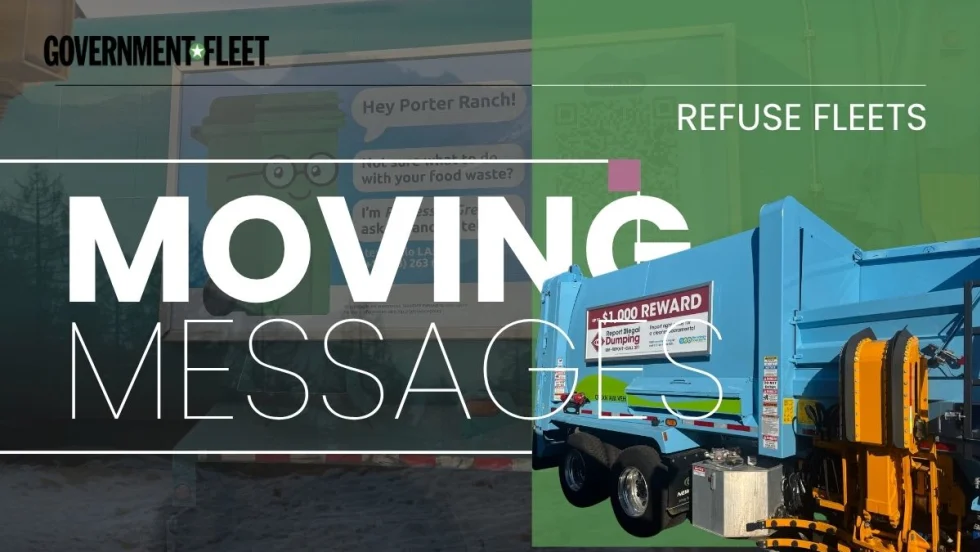
Who Owns the Message on a Refuse Truck?
Refuse trucks can carry public messages into neighborhoods, but keeping those messages current takes planning and clear responsibility.
Read More →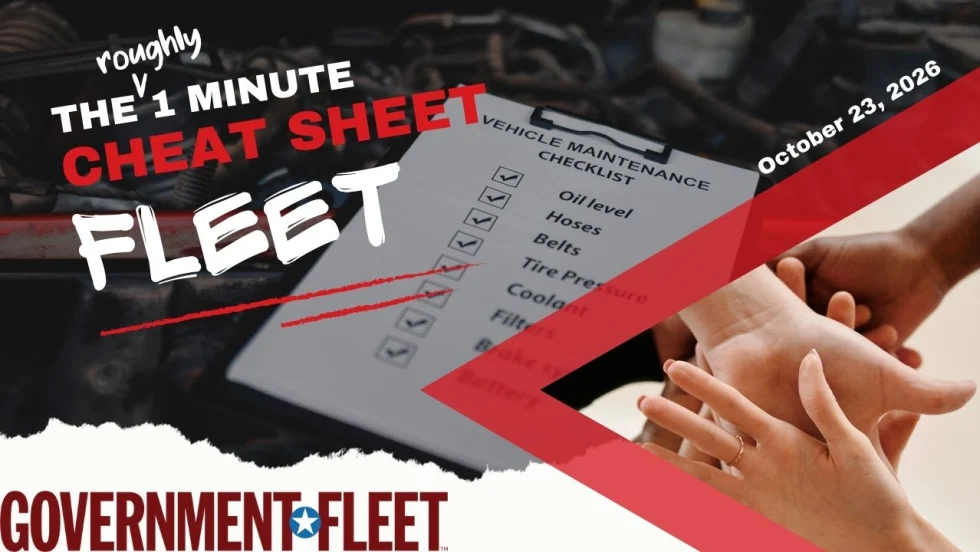
Who Deserves Fleet Recognition and What Could You Teach at GFX?
Who helped shape your fleet career, and what have you learned that could help someone else?
Read More →
What’s Haunting Public Sector Fleets?
Public sector fleet challenges rarely happen in isolation, and addressing one often means understanding how it connects to another.
Read More →
Is Keeping Older Fleet Vehicles Really Saving Money?
Is keeping vehicles longer saving money, and what happens when a diagnostic test points to the wrong fix?
Read More →
How Smart Fleet Strategy Can Help Local Government Agencies Do More with Less
Keeping a vehicle longer may ease this year’s budget, but what does it cost the next one? A closer look at fleet decisions can reveal opportunities to reduce spending while protecting essential services.
Read More →