




About the Author: Dan Simpson is a Senior Product Marketing Manager at Fleetio, a fleet maintenance software that helps businesses automate fleet operations tasks and keep their vehicles and equipment running smoothly. At Fleetio, Dan works hand in hand with Fleet Managers, helping them use data to make informed decisions.
How AI and Automation Work Together to Reduce Government Fleet Downtime
As their assets age and their budgets’ purchasing power shrinks, government fleet managers are facing growing pressure to do more with less.
by Dan Simpson
September 3, 2026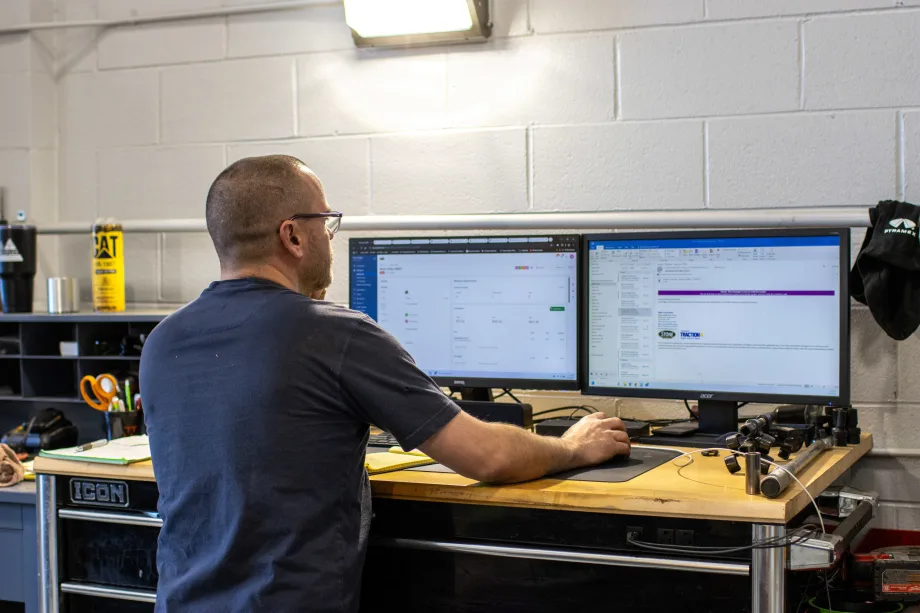
As their assets age and their budgets’ purchasing power shrinks, government fleet managers are facing growing pressure to do more with less.
Credit:
Fleetio
3 min to read
As their assets age and their budgets’ purchasing power shrinks, government fleet managers are facing growing pressure to do more with less. They’re navigating a set of structural pressures at once, such as aging assets, constrained budgets, limited technician capacity, and long procurement cycles.
In increasing numbers, they’re also reaching for new tools, such as software that helps improve maintenance operations, while saving fleets time, staffing, and materials where possible and helping deliver public services efficiently.
The current landscape
The tooling used by government fleet managers varies widely from jurisdiction to jurisdiction, reflecting different stages of digitization. Some still rely heavily on spreadsheets, paper processes, and institutional knowledge. Others are more advanced, using digital tools to help with inspections, enter work orders, and schedule services.
While automation is becoming increasingly accessible for government fleets, interest is also growing in AI to complement automation decisions, such as surfacing repair orders that need special attention.
Fleet management is an inherently multivariable environment, forcing workers to juggle several factors at once, including managing parts, schedules, costs, worker availability, and dozens of other high-stakes concerns.
AI can surface relevant information across key variables such as asset history, repair costs, downtime trends, and lifecycle performance, enabling experienced fleet professionals to make decisions with more context and deploy resources more effectively across their operations.
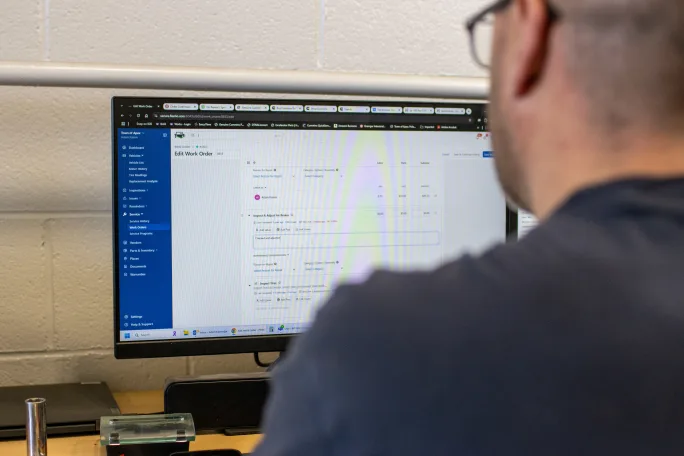
Telling of AI’s potential, and then showing its actual successes, is key to a successful transition.
Credit:
Fleetio
Start with the workflow, not the AI
Modernizing doesn’t have to mean an all-at-once transformation. It can start with a single workflow or pain point. Clean, connected data still matters, though: inputting years of relevant history into systems takes real diligence and up-front investment.
Soft skills are required too, with change management being an operative necessity. Teams may be skeptical about adopting new technologies and workflows. Outlining the benefits of the tools and emphasizing their purpose as optimizing their work rather than replacing it is critical.
Telling of AI’s potential, and then showing its actual successes, is key to a successful transition. The clearest path is sequential: digitize the workflow, automate the predictable steps, bring in AI where interpretation or context adds value, and then measure the operational result.
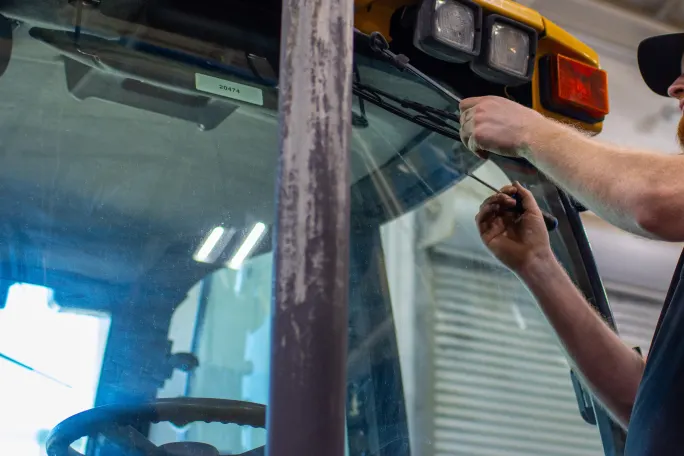
Embedding maintenance workflows can help government fleets use their assets for longer periods of time
Credit:
Fleetio
Embedding maintenance workflows can help government fleets use their assets for longer periods of time, clearly automate and define roles and responsibilities, and use industry-wide data and standards to help establish the right cadence for parts replacement and other forms of maintenance.
For example, AI can surface that several repairs on the same asset could be bundled into one visit. The fleet manager still makes the call, but with that insight, they can order the needed parts and consolidate the work in a single trip, rather than the asset returning to the shop repeatedly as new reminders arise through an automated tool, cutting downtime in the process.
Industry benchmark data suggest that fleet maintenance teams deploying these tools can reduce reactive maintenance issues by two-thirds, accelerate issue resolution by three days, and reduce repair times by over two hours per ticket.
These may seem like simple deliverables, but they’re indicative of the material and sustainable long-term rewards of an AI-focused transformation.
Government fleet teams will continue to feel pressure from constituents and officials to do more with less. Fleet managers and technicians are feeling the brunt of this pressure, often without the capacity to keep pace.
Automation can reduce the repetitive administrative work that consumes time without necessarily requiring human judgment. AI can help organize and interpret information when human judgment is required. Used together, they can help fleet teams spend less time chasing information and more time acting on it.
Subscribe to Our Newsletter
More Operations

Sponsored•October 14, 2026
A buyer's guide to fleet management software in 2027
Buying fleet management software in 2027 means looking beyond features and price. As fleet operations, technology and expectations evolve, this guide explores what today’s fleet professionals should consider when choosing a system that can deliver value now and adapt to what comes next.
Read More →
Hazard Alerts, Fleet Car Sales Rise and a New Shuttle Concept
Fleet car sales doubled, but the bigger picture tells a different story in this week’s roundup.
Read More →
How St. Johns County Turned Fleet Data Into Better Replacement Decisions
St. Johns County, Florida, had fleet data, but turning it into reliable decision guidance was another matter. Instead of starting over with a new fleet management system, the county connected existing tools and built a scoring system that gives managers an objective look at fleet health.
Read More →
Fleet Forward Conference Introduces One-Day Passes for 2026
New one-day registration lets fleet professionals attend Tuesday, Wednesday, or Thursday, with passes available for $249.
Read More →
ENC Unveils its ZAVIR Medium-Duty Shuttle
Two variants of the concept shuttles were revealed: a low-floor configuration and a high-floor configuration.
Read More →
Could Your Next Fleet Technician Start as an Intern?
What if your next technician hasn’t worked in a fleet shop yet? What fleets are doing to free up time.
Read More →
How Phoenix Is Building Its Next Generation of Fleet Technicians
With more than 8,000 vehicles and pieces of equipment to maintain, the City of Phoenix could not afford to wait for fully trained technicians to walk through the door. Instead, they revamped their entire workforce strategy and showed how public fleets can create their own talent pipeline while preparing existing employees for increasingly complex vehicles.
Read More →
What’s Slowing Your Fleet Down?
Could a change in how work gets done help your fleet return vehicles to service sooner?
Read More →
Can Public Fleets Trust the Data Driving Their Decisions?
Public fleets have more data than ever, but inconsistent records and missing information can still undermine maintenance, replacement, and cost decisions.
Read More →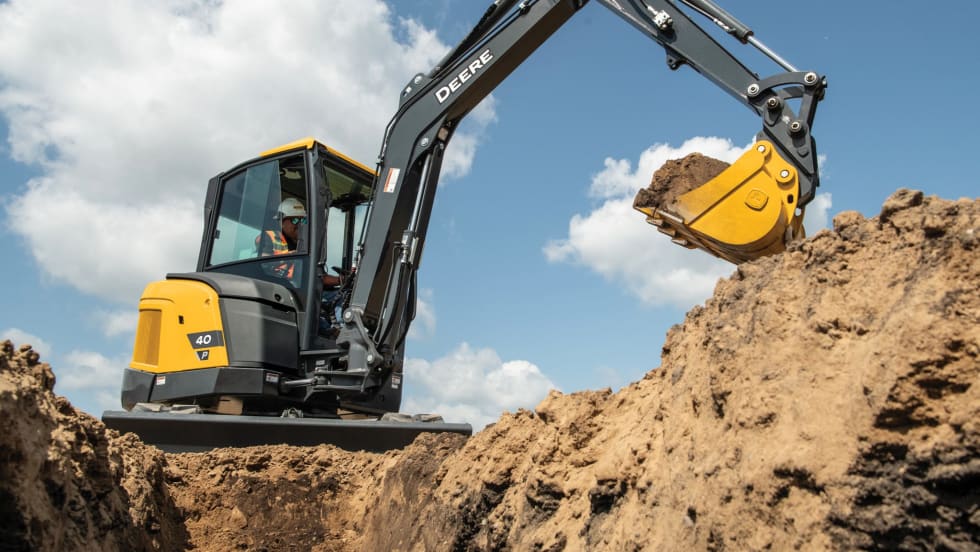
John Deere Introduces 40 P-Tier Compact Excavator
John Deere is adding a compact excavator designed for crews that need to move equipment between jobsites and handle multiple types of work with one machine. The 40 P-Tier weighs less than 10,000 pounds and offers configurable hydraulics, attachment options, and connected fleet-management capabilities.
Read More →