




Why Technician Development Is a Retention Strategy
Clear development opportunities can help fleets show technicians how their skills and careers may progress within the organization.
July 15, 2026

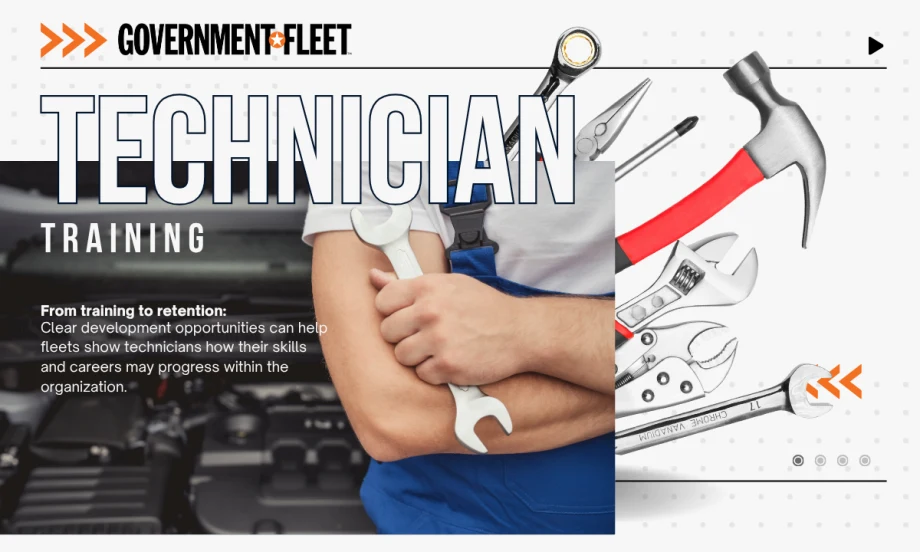
Technician development opportunities highlight potential career growth within the organization.
Credit:
Government Fleet
4 min to read
The fleet technician hire-to-retention pipeline discussion isn't anything new among the government fleet community. It's something many within the public sector space have debated, discussed, and pondered.
While that might seem discouraging to those on the outside looking in, the reality is that with each discussion, each talking point, we hopefully get a little closer to understanding what it takes to bring on the right people to support a successful fleet operation.
About two months back, I covered this very topic in an article sharing my thoughts as someone who has spoken with a multitude of fleet teams about technician hiring and retention. While I hoped it would offer insight to readers, or at least a jumping point for operational planning, I was pleasantly surprised when I was contacted by industry veteran and fleet thought leader Bob Stanton with some follow-up points.
So in the spirit of shared learning and continuing the thread of topical discussion, I'd like to offer another layer of thought to the conversation in hopes of carrying it forward.
Stanton weighs in on a couple of points below (responses have been edited for clarity):
When a fleet hires a technician, that technician’s skills may be sharp, up to a point. As the next model-year vehicles are introduced, the skills your techs possess begin to age. So, how do you prevent that? Fleets can consider adding OEM training hours and service tools to bid documents and purchase orders. An accepted and common rule is adding eight hours of skills training per vehicle.
If it's a piece of heavy equipment, add more hours per unit. Fleets find it hard to justify the cost of a service tool along with annual software subscription updates. Consider adding the needed tool to the purchase contract. We did this with heavy trucks and heavy equipment.
It’s pretty simple to include a $10,000 tool and software when the equipment costs are now so high.
For instance, by sharing costs, training resources may be easier to access. If a neighbor has a solid technician with a particular skill, perhaps they can be employed on a part-time basis to train your techs in that skill or perhaps that technician can be called upon to solve a unique vehicle issue.
We brought in a trainer from the West Coast on a quarterly basis and made those sessions available to neighboring agencies for a fee that helped offset the trainer’s expenses.
They are useful resources that customers fund through their purchases of these tools.
I worked at one fleet that offered a specific section of the annual review where progress, or lack of it, was charted so techs who were on a career track toward advancement could see and discuss their next steps in the process. We, as managers, were charged with ensuring that progress was openly encouraged and supported.
Examples include:
- Participation in a safety or accident review committee.
- Establishment of a technician review board where new technician candidates are screened by the people they’ll be sharing shop space with.
- Encouraging technicians to take skills classes outside of their field (governments often offer such courses).
- Have techs participate in the selection of a new chassis or vehicle type.
- Bring a technician or two when traveling to a vehicle delivery review (e.g., ambulances, fire apparatus, transit buses).
Demonstrating respect for a technician’s value beyond their skills can become one of the strongest retention strategies a fleet can have.
We distributed copies at career fairs. It was a terrific way to highlight the advantages of working in the public sector, especially the wide variety of vehicles and equipment technicians would be exposed to.
Thank you, Bob, and thank you to our readers who continue to innovate despite setbacks and who press forward despite the challenges. And if you'd like to continue the conversation, send me an email at nichole.osinski@bobit.com.
Subscribe to Our Newsletter
More Blog Posts
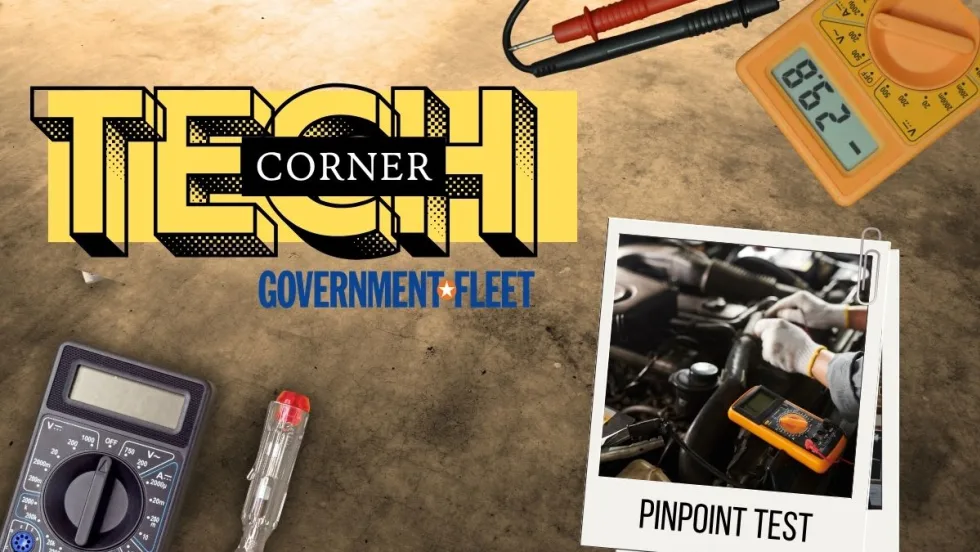
Now What Should We Do? Looking Beyond the Pinpoint Test
When a pinpoint test leads to a replacement that doesn’t fix the problem, technicians need to look beyond the instructions.
Read More →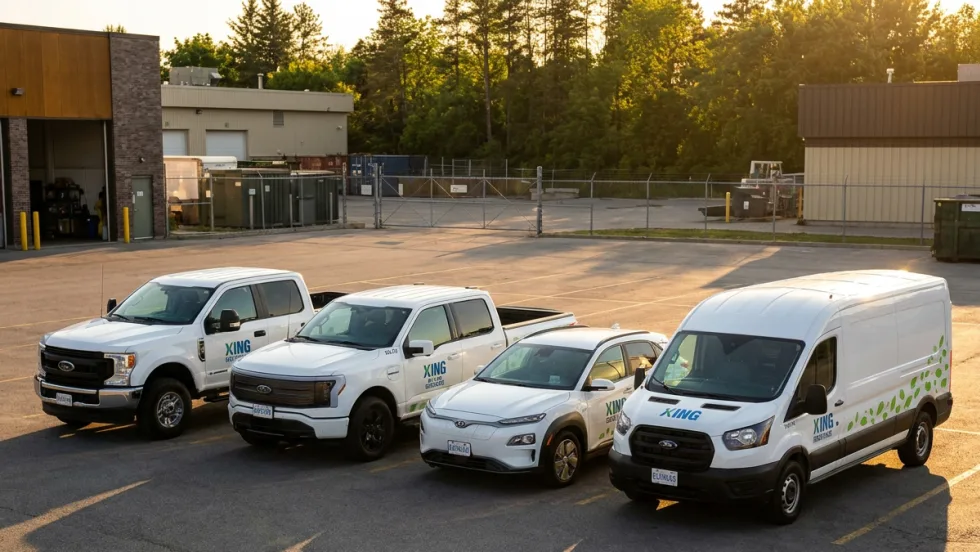
The Missing Link in Fleet Safety: Turning Data into Behaviour Change
Every municipal vehicle tells residents something about how their fleet is being managed. For King Township, Ontario, that visibility made speeding more than a driver performance issue.
Read More →
Flavor of the Decade: The End
As automakers pivot toward hybrids and extended-range models, the costly slowdown in battery-electric vehicle adoption raises questions about what comes next for the Big Three and government fleets.
Read More →
Building a Cross-Department Fleet Data Standard: What to Agree on First
As municipalities expand their use of fleet technology, the challenge is less about collecting data and more about making that data usable.
Read More →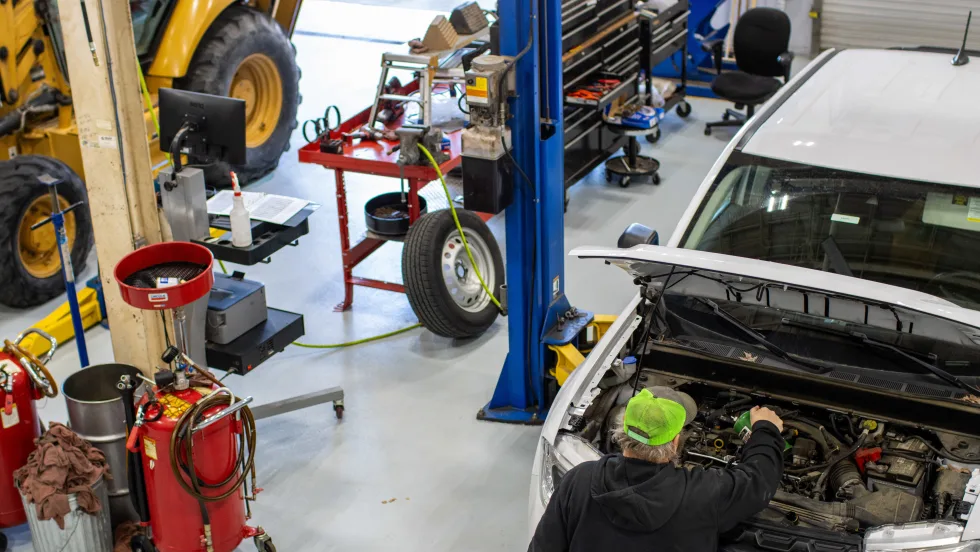
7 Tips for Smarter Fleet Management
The potential to manage your fleet effectively while ensuring the safety of both employees and the community can often go untapped, but there are certain habits you can adopt to get to that point.
Read More →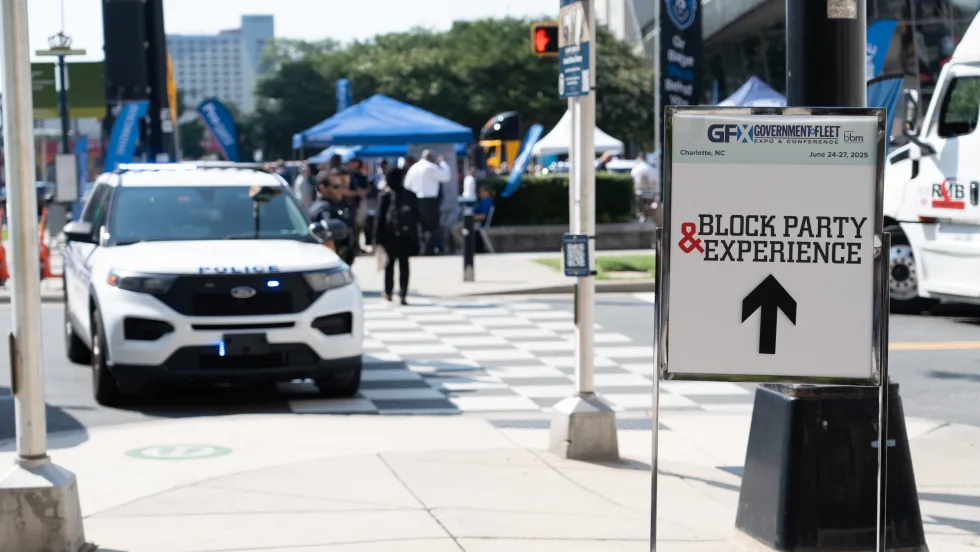
Why Now Is the Time to Return to Government Fleet Expo
For fleet professionals who haven't attended GFX in a while, this year's event provides more than just education sessions and networking opportunities. From emerging leaders and innovative fleet strategies to industry recognition and peer-to-peer discussions, GFX 2026 reflects the changing landscape of public fleet operations.
Read More →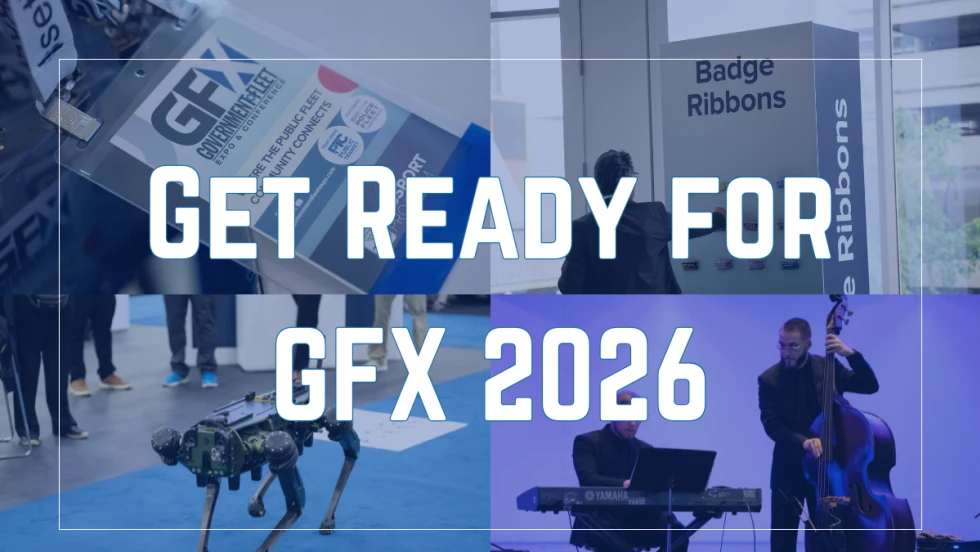
What to Expect at GFX
The Government Fleet Expo & Conference can be overwhelming in the best way possible. Whether you’re a first-time attendee or a returning fleet professional, these practical tips will help you plan ahead, stay energized, maximize networking opportunities, and make the most of every moment at GFX 2026 in Long Beach.
Read More →
How to Get the Most From an Industry Conference
A new strategy in how to present conference attendance justification for you and even for your staff and how you and they can benefit and even thrive in the conference environment.
Read More →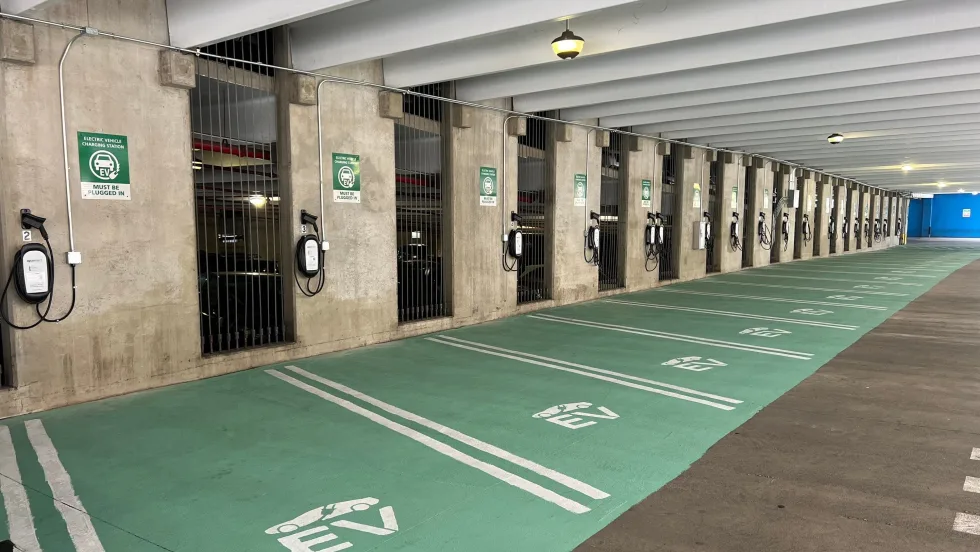
How Electric Vehicles as a Service Could Reshape Public Fleets
How the EV model can address concerns about meeting state mandates, cost, emissions and range anxiety.
Read More →
14 Metrics Government Fleets Should Track
The metrics government fleets should track to get a full understanding of their fleet operation.
Read More →