




The Missing Link in Fleet Safety: Turning Data into Behaviour Change
Every municipal vehicle tells residents something about how their fleet is being managed. For King Township, Ontario, that visibility made speeding more than a driver performance issue.
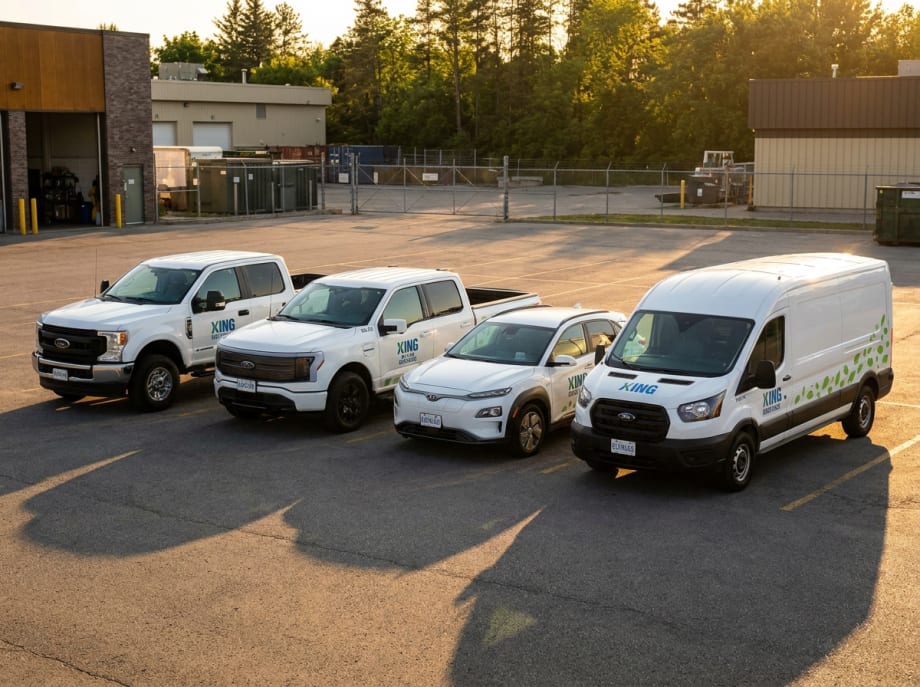
Every municipal vehicle tells residents something about how their fleet is being managed. For King Township, Ontario, that visibility made speeding more than a driver performance issue.
King Township | Geotab
Municipal fleet operations come with a distinct privilege and a major responsibility. We operate in the heart of our community, our vehicles carry the township logo through residential streets, park areas and school zones every single day.
Our primary focus is supporting residents by maintaining safe, reliable and efficient public services. Every mile driven is an opportunity to reflect the care we have for our neighbourhoods.
At King Township, we manage more than 130 vehicles and 200 assets. The township had a strong telematics foundation in place, but we were still facing rising collision risks and persistent unsafe behaviours such as speeding and unbuckled seatbelts. Our risk scores were climbing, and despite having access to more data than ever before, the behaviours behind that risk weren't changing.
Why Traditional Coaching Wasn't Enough
Like many organizations, we relied on traditional coaching methods to address unsafe driving behaviours. The problem is that most coaching is reactive. Managers review an event after it happens, have a conversation with the driver, and then wait to see improvement.
We also faced a challenge unique to municipal operations. Staff frequently rotate through shared vehicles and equipment depending on the day's work. Vehicle-level data could tell us how a truck was being driven, but not always who was behind the wheel. We could identify trends, but we weren't creating a direct connection between drivers and their individual driving behaviours.
We needed a better way to support drivers, help them improve and motivate them to take ownership of their performance.

Instead of only hearing from a supervisor when something went wrong, employees were able to monitor their own progress and work toward personal goals.
King Township | Geotab
Building Driver Ownership
To bridge that gap, we piloted a driver engagement program built around transparency, feedback, and positive reinforcement.
From the start, we wanted to be fully transparent with staff, positioning the program as a way to help employees build safer driving habits, recognize positive performance and take greater ownership of their own safety outcomes, while reinforcing that an electronic monitoring policy is in place to ensure clarity, consistency, and appropriate use.
The platform reflects that philosophy by focusing on four core driving behaviours: speeding, braking, acceleration and cornering. Drivers are rewarded daily for positive milestones and improvements, rather than being flagged only when something goes wrong.
By emphasizing positive reinforcement over punishment, the program helped shift safety from a management responsibility to a shared commitment, encouraging drivers to take a more active role in improving their own performance.
A Shift in Mindset We Didn't Expect
What surprised us most was how quickly attitudes changed once drivers experienced the program firsthand.
Instead of only hearing from a supervisor when something went wrong, employees were able to monitor their own progress and work toward personal goals. Drivers began approaching us with comments such as, "I didn't realize I was speeding this often,” or "this is helping me keep my speeding in check."
The dynamic shifted from correction to improvement. Rather than spending time identifying mistakes, managers had opportunities to celebrate drivers’ success.
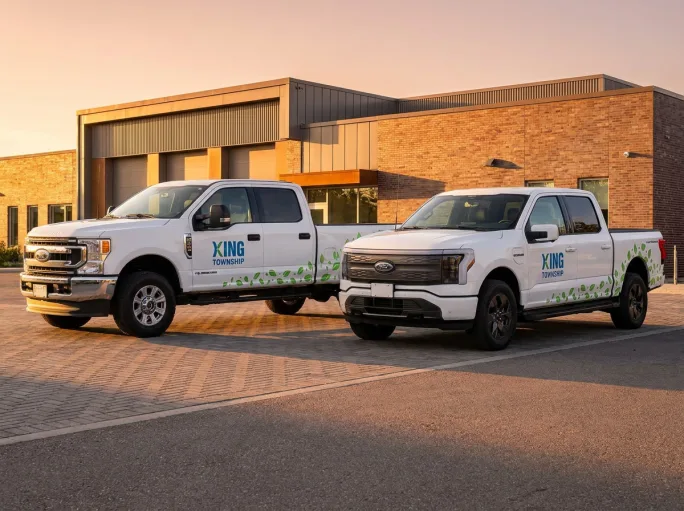
Based on these pilot metrics, the township is projecting a 349% return on investment, generating more than $37,000 in net annualized savings.
King Township | Geotab
Results That Made the Case
The behavioural and financial results from the three-month pilot demonstrated the value of that approach.
Within the first 30 days, we achieved a 10.9% improvement in speeding, directly addressing the behaviour most visible to our residents. We also saw a 7% reduction in predictive collision risk and a 6.4 percent improvement in fuel efficiency.
Based on these pilot metrics, the township is projecting a 349% return on investment, generating more than $37,000 in net annualized savings.
What stood out most was that once drivers established safer habits, those improvements remained consistent. The results weren't driven by short-term attention or heightened- awareness. The behavior changed, and the performance followed.
What Other Municipal Fleet Leaders Should Know
One of the biggest takeaways from this experience is how simple the implementation process was. Because the telematics foundation was already in place, the program required very little day-to-day management and was easily integrated into existing operations.
For other municipal and government fleet leaders looking to strengthen their safety culture, here is my advice: start small and build from there. Focus on establishing reliable data, align your approach with existing policies and invest time in bringing employees along through the process.
Most importantly, don't be afraid of the data. The insights can be uncomfortable at first, but they provide a clearer understanding of risk and create opportunities for meaningful improvement.
Ultimately, municipal fleets are accountable to the communities they serve. Programs that encourage safer driving behaviours don't just reduce risk and improve efficiency. They help demonstrate that public services are responsible, data-driven and continuously working to improve.
At King Township, we operate by a guiding principle: be better today than you were yesterday, and better tomorrow than you are today.
More Blog Posts
Now What Should We Do? Looking Beyond the Pinpoint Test
When a pinpoint test leads to a replacement that doesn’t fix the problem, technicians need to look beyond the instructions.
Read More →
Flavor of the Decade: The End
As automakers pivot toward hybrids and extended-range models, the costly slowdown in battery-electric vehicle adoption raises questions about what comes next for the Big Three and government fleets.
Read More →
Why Technician Development Is a Retention Strategy
Clear development opportunities can help fleets show technicians how their skills and careers may progress within the organization.
Read More →
Building a Cross-Department Fleet Data Standard: What to Agree on First
As municipalities expand their use of fleet technology, the challenge is less about collecting data and more about making that data usable.
Read More →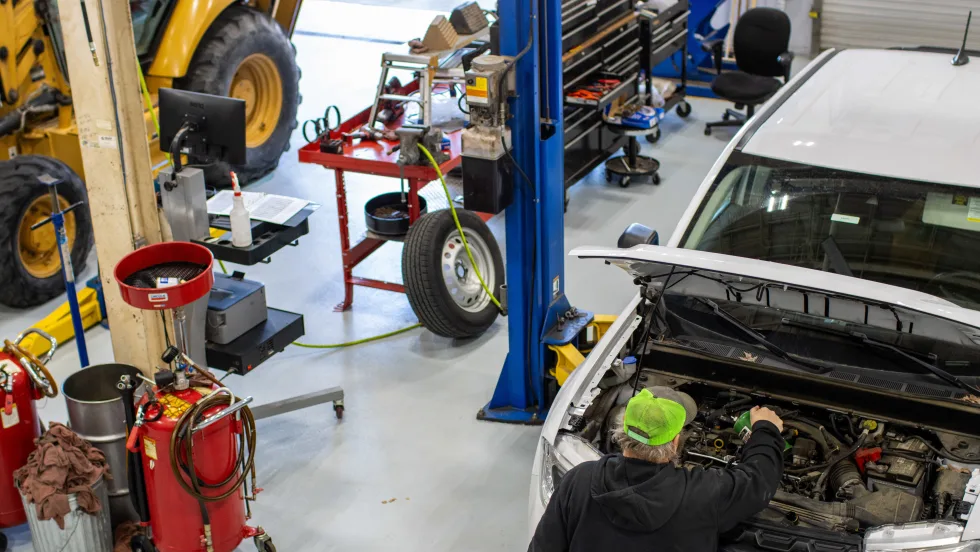
7 Tips for Smarter Fleet Management
The potential to manage your fleet effectively while ensuring the safety of both employees and the community can often go untapped, but there are certain habits you can adopt to get to that point.
Read More →
Why Now Is the Time to Return to Government Fleet Expo
For fleet professionals who haven't attended GFX in a while, this year's event provides more than just education sessions and networking opportunities. From emerging leaders and innovative fleet strategies to industry recognition and peer-to-peer discussions, GFX 2026 reflects the changing landscape of public fleet operations.
Read More →
What to Expect at GFX
The Government Fleet Expo & Conference can be overwhelming in the best way possible. Whether you’re a first-time attendee or a returning fleet professional, these practical tips will help you plan ahead, stay energized, maximize networking opportunities, and make the most of every moment at GFX 2026 in Long Beach.
Read More →
How to Get the Most From an Industry Conference
A new strategy in how to present conference attendance justification for you and even for your staff and how you and they can benefit and even thrive in the conference environment.
Read More →
How Electric Vehicles as a Service Could Reshape Public Fleets
How the EV model can address concerns about meeting state mandates, cost, emissions and range anxiety.
Read More →
14 Metrics Government Fleets Should Track
The metrics government fleets should track to get a full understanding of their fleet operation.
Read More →