





Learn More: How Law Enforcement Has Been Using Drones
Florida Bill Could Broaden Drone Limitations for Public Agencies
SB 44 would allow police to use drones to monitor large crowds and collect evidence at crimes scenes and traffic crashes.
January 4, 2021

1 min to read

SB 44 would allow police to use drones to monitor large crowds and collect evidence at crimes scenes and traffic crashes.
SB 44, filed on Dec. 28, 2020, could expand the authorized uses of drones by law enforcement agencies, a state agency or political subdivision, or by certified fire department personnel for specified purposes if passed as Florida state law.
If the proposal clears through Tallahassee, police could use drones to:
Provide an aerial perspective of a crowd of 50 people or more.
Assist with traffic management; however, a law enforcement agency acting under this paragraph may not issue a traffic infraction citation based on images or video captured by a drone.
Facilitate collection of evidence at a crime scene or traffic crash scene.
The bill would also allow the use of drones by a state agency or political subdivision for the assessment of damage due to a flood, a wildfire, or any other natural disaster or for vegetation or wildlife management on publicly owned land or water, and by certified fire department personnel to perform tasks within the scope and practice authorized under their certifications.
More Safety
What Public Fleets Should Document and Preserve After a Collision
Dashcam footage can be overwritten, witnesses can leave, and repairs can erase evidence. What should public fleets document and preserve before that information is lost?
Sponsored•November 9, 2026
Enhanced Worker Safety Through UV Lighting Technology
An examination of how ultraviolet (UV) perimeter lighting can improve the visibility of workers wearing high-visibility apparel and safety equipment in low-light environments. When paired with durable optical materials and effective light distribution, UV illumination offers a complementary approach to reducing worker exposure risks near traffic and equipment.
New Partnership Aims to Expand Public Digital Hazard Alert System Statewide
The Hawai’i Department of Transportation (HDOT) is expanding advance digital hazard alerts for the public statewide.

New York City Expands Safety Technologies Across Municipal Fleet
Executive Order 19 moves intelligent speed assistance and pedestrian alerts from pilot programs toward standard fleet equipment, offering other public fleets a look at how safety technology can be tested, measured, and scaled.
Sponsored•August 10, 2026
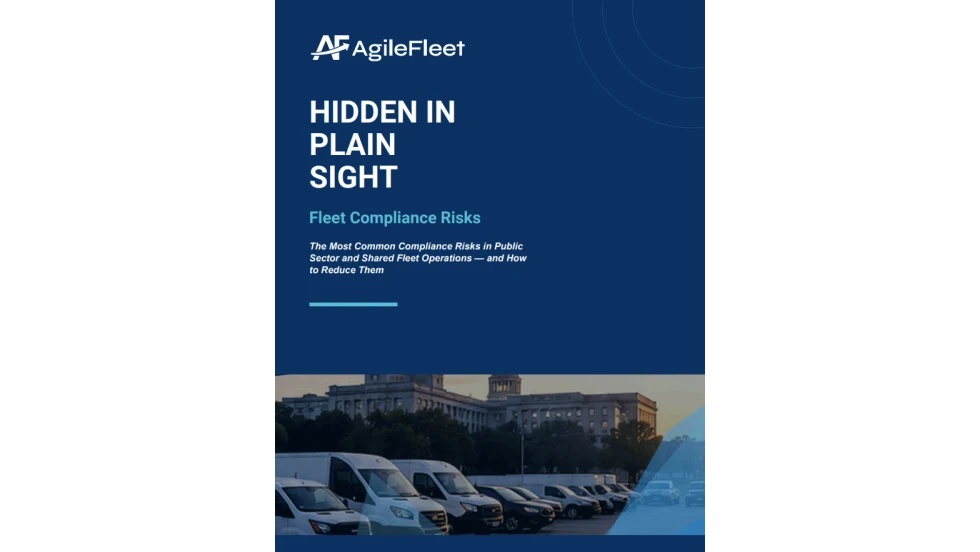
Hidden in Plain Sight: Fleet Compliance Risks
Fleet compliance isn't just about having policies — it's about consistently enforcing them. This practical guide reveals six hidden compliance risks common in public sector and shared fleet operations and outlines proven strategies to improve visibility, accountability, and audit readiness.

5 Days Left to Submit Your 2026 Fleet Safety Award Nomination
Know a government fleet, safety, or risk manager who deserves recognition for making fleet operations safer? Nominations are open through Aug. 15.
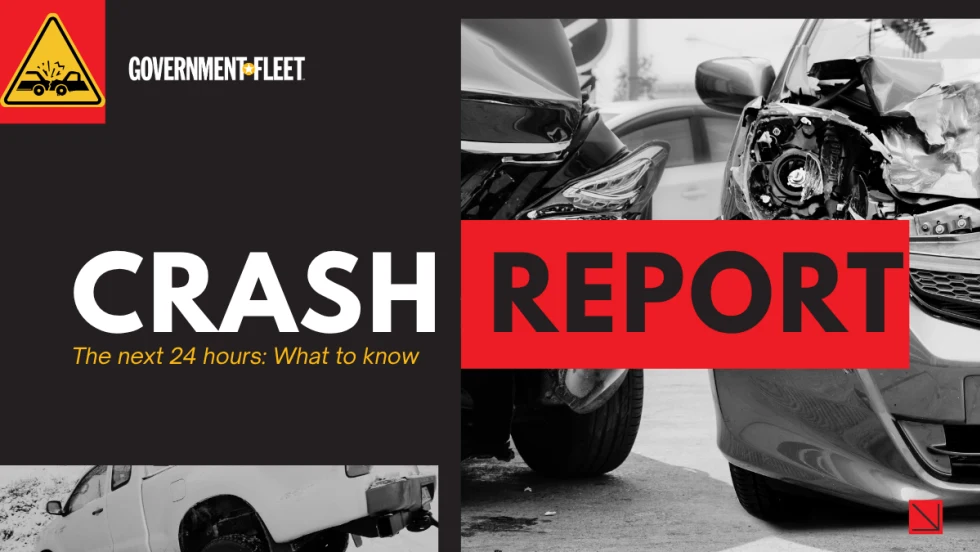
How the First 24 Hours Can Shape a Fleet Crash Response
How a strong accident response process helps government fleets move from the initial report to recovery while building a clearer record for what needs to change next.
Sponsored•July 17, 2026
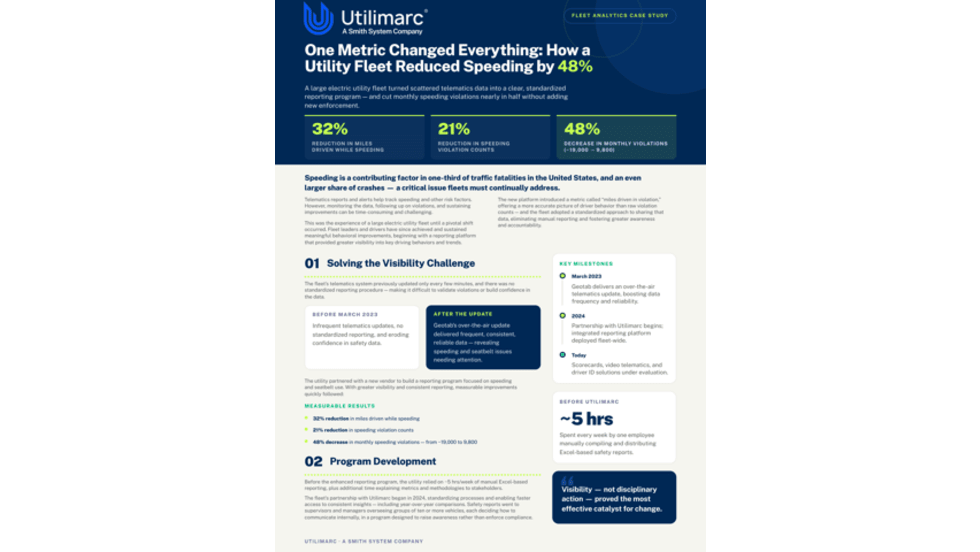
How Better Visibility Cut Speeding Violations by 48%
Fleet leaders don't need more data, they need clearer visibility into what the data is saying. This case study explores how one utility replaced speeding-event counts with a single metric — miles driven in violation — to strengthen safety and significantly reduce speeding violations.
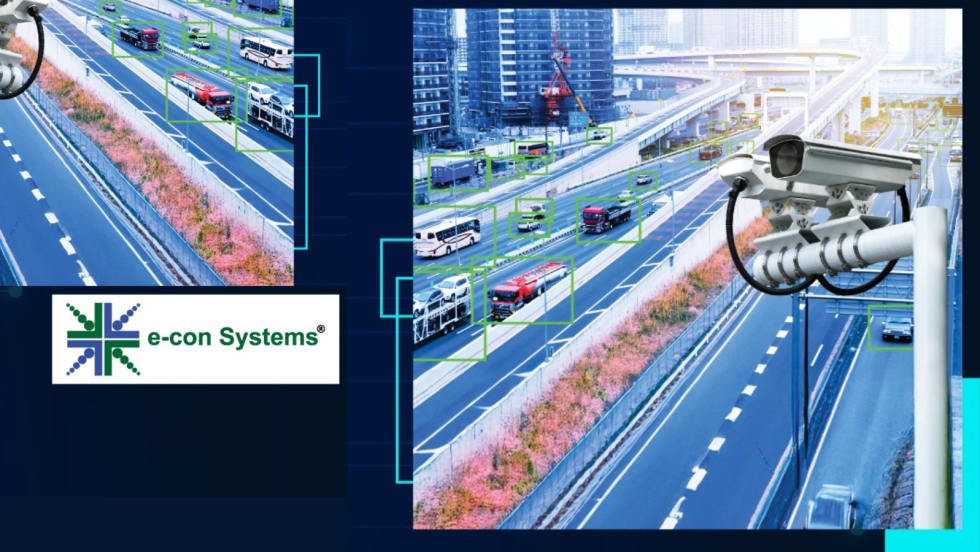
e-con Systems Expands AI Camera Tools for Traffic Monitoring
The systems support license plate recognition, traffic analytics, and video management for transportation agencies.

King Township Pilot Links Driver Feedback to Reduced Speeding
How King Township, a best-in-class municipal fleet, reduced speeding by 10.9% and demonstrated a projected 349% ROI by putting safety ownership directly in drivers' hands.