





Keep Reading: How to Calculate the Right Vehicle-to-Technician Ratio
A 2023 Public Sector Fleet Industry Survey Summary
A recap of Government Fleet's 2023 Handbook Study compiled of fleet professional responses from city, state, county, and federal sectors.
December 5, 2023
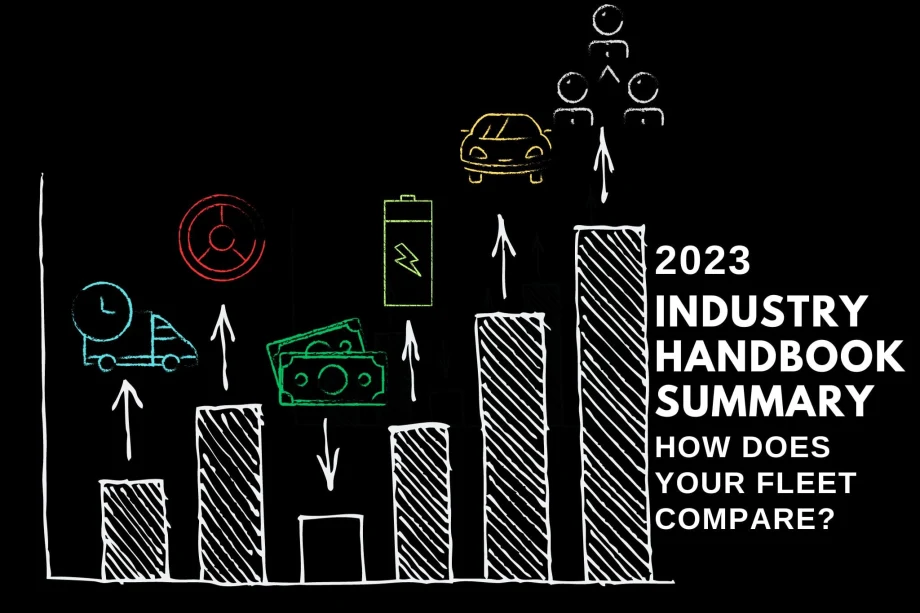
Fleets are most concerned about aging fleets and replacement budgeting with more than half of survey respondents — approximately 59% — planing to retire in less than 10 years.
Photo: Government Fleet via Canva.com
3 min to read
In June and July of 2023, Government Fleet magazine solicited responses to a biennial survey from its readership, receiving 81 qualified responses from a diverse group of public fleet professionals. Information from this issue labeled “Source: Government Fleet Research” comes from this opt-in survey.
Top Concerns and General Fleet Operations
While 46% of 2021 respondents listed green initiatives as their top concern, 2023 has shifted the focus to aging fleets and replacement budgeting with recruitment following behind. Still, going green continues to be a top priority for fleets with almost 40% listing this as a top concern for the following year.
Similar to the 2021 survey, gasoline vehicles are still the most common among government agencies, followed by diesel then E-85 flex-fuel vehicles. Similarly to the previous survey, electric vehicles make up a small portion of government fleets surveyed.
Read More...

Changes in Fleet Services, Outsourcing Work
Respondents were asked what services they outsource to other vendors, with more than one response possible. Respondents reported that most outsourcing was done for body and paint work (78.26%). This was followed closely by towing then glass. These were also the top three outsourcing services in 2021.
For 2023, body and paint were at the top of the services outsourced while in 2021, glass was most reported. At the bottom of the list for 2023 were PM/repairs for alt-fueled vehicles, computer-related repair issues, and parts management.
Read More...

Federal Vehicles, Inventory, and Acquisition
The federal fleet grew by nearly 2% in fiscal year 2020 with a reported inventory total of 657,506. However, between 2021 and 2022 there was a slight dropoff with inventory totals going from 656,724 to 656,494.
When looking at total fleet composition by fuel type as well as acquisitions, gasoline was at the top of the list with an inventory of 371,404 and an acquisition of 25,121. E85 (or flex fuel) had the second-highest inventory and acquisition at 166,929 and 7,166, respectively. These were followed by diesel and gasoline hybrid. Electric had an inventory of 2,141 and an acquisition of 53.
Read More...
Public Sector Fleet Manager Salaries Rise Slightly
The vast majority of respondents have been in the workforce for several decades. Here’s how the age groups break down, based on what generation the respondents identify with:
Baby Boomer (born 1946-1964): 36.36%.
Generation X (born 1965-1980): 54.55%.
Millennial (born 1981-1994): 9.09%.
Additionally, the state where the most fleet managers responded to the survey from was California. The other state with the most respondents was Florida. Both age and geographical location can affect salary.
The average salary of fleet manager survey respondents was $105,080.65. Overall, that’s 6.45% higher than the average reported in 2021 — $98,514.
Read More...
Public Sector Fleet Managers’ Plans for Retirement, Successors
Retirement is in the near future for numerous public sector fleet managers, and succession plans are underway across many fleet operations.
More than half of survey respondents — approximately 59% — plan to retire in less than 10 years. This is in line with what generation the respondents identify with. That portion of the survey revealed that the vast majority of respondents — about 91% — identify with either Generation X or the Baby Boomers.
About 41% of respondents plan to remain in the industry for 10 years or more before retiring.
When asked whether they plan to stay at their current agency until they retire or leave the industry, just over two-thirds of respondents said they do. Approximately 15% of respondents said they do not, and 18% said they are unsure.
Read More...
More Operations
Could Your Next Fleet Technician Start as an Intern?
What if your next technician hasn’t worked in a fleet shop yet? What fleets are doing to free up time.
Read More →
What’s Slowing Your Fleet Down?
Could a change in how work gets done help your fleet return vehicles to service sooner?
Read More →
Can Public Fleets Trust the Data Driving Their Decisions?
Public fleets have more data than ever, but inconsistent records and missing information can still undermine maintenance, replacement, and cost decisions.
Read More →
How Phoenix Is Building Its Next Generation of Fleet Technicians
With more than 8,000 vehicles and pieces of equipment to maintain, the City of Phoenix could not afford to wait for fully trained technicians to walk through the door. Instead, they revamped their entire workforce strategy and showed how public fleets can create their own talent pipeline while preparing existing employees for increasingly complex vehicles.
Read More →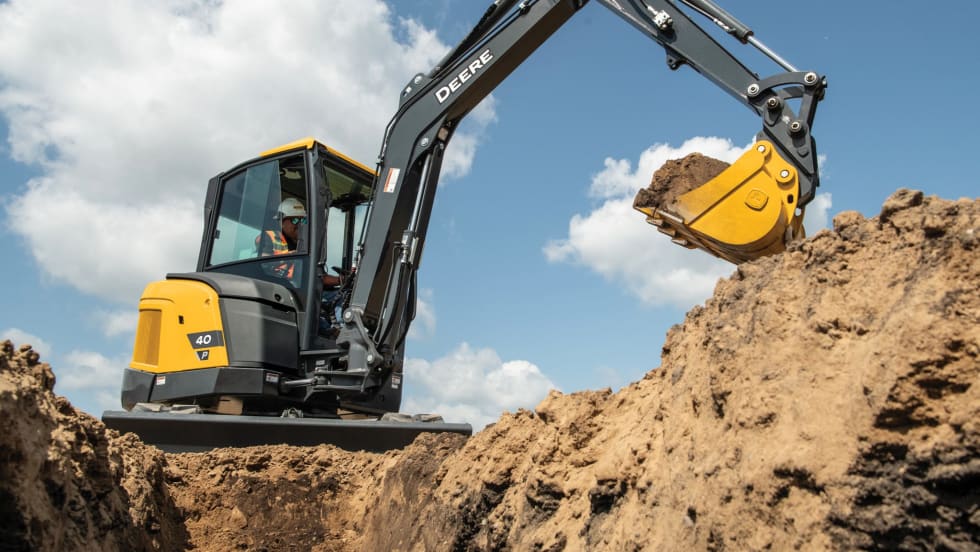
John Deere Introduces 40 P-Tier Compact Excavator
John Deere is adding a compact excavator designed for crews that need to move equipment between jobsites and handle multiple types of work with one machine. The 40 P-Tier weighs less than 10,000 pounds and offers configurable hydraulics, attachment options, and connected fleet-management capabilities.
Read More →
How Leading Fleets Improve and Why Business Plans Matter
This week, we look at what past Leading Fleet winners can teach us about making progress, plus how to build a business plan your fleet will actually use.
Read More →
Nominate a Fleet Leader for the 2027 Public Fleet Hall of Fame
Do you know a fleet leader who has made a lasting impact on the industry? Nominate this fleet professional for the 2027 Public Fleet Hall of Fame.
Read More →
Why Fleet Business Plans Need Three Perspectives
A fleet business plan should help agency leaders understand the fleet’s value, give the organization a clear direction, and establish shared expectations with customer departments.
Read More →
How Oil Analysis, Safety Technology, and Fleet Awards Drive Improvement
What happens when fleets let measured results guide their next decision?
Read More →
Emergency Response, Fleet Sales and New Technology
This week’s fleet news covers emergency preparedness, shifting vehicle sales, electric truck investments, and new tools for monitoring road conditions.
Read More →