




Author Bio: Rush Akin, chief revenue officer at RoadFlex, is an experienced veteran in the fleet industry, with over 22+ years of experience in fleet management. Before joining RoadFlex, Rush served as the SVP of sales for Solera, where he was in charge of overseeing fleet sales and business development in North America. Prior to Solera, Rush worked with well-known brands in the industry, such as Rand McNally, Lytx, FourKytes, and Syntech Systems Fuel Master. Rush has a strong background in fleet and fuel management, as well as customer success.
No More Blind Spots: Fighting Fuel Misuse with Connected Controls
Fuel fraud doesn’t always show up in big, flashy ways. In a government fleet, it’s usually death by a thousand cuts—small things that slip through the cracks.
by Rush Akin
June 16, 2025
Fleet management is on track for significant transformation in 2025, driven by technological advancements, regulatory changes and evolving consumer expectations.
Photo: Government Fleet
4 min to read
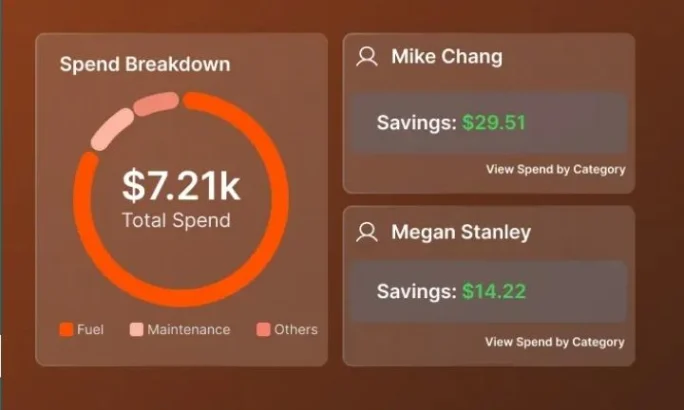
Make sure your fuel cards connect to your telematics. This lets you verify location, movement, and tank size in real time.
Photo: RoadFlex
Fuel fraud doesn’t always show up in big, flashy ways. In a government fleet, it’s usually death by a thousand cuts—small things that slip through the cracks. A tank filled twice in one day. Premium fuel when regular would do. A fuel-up on a Saturday when the vehicle didn’t move all weekend.
If you've been in fleet long enough, you’ve seen it.
And while most of us have solid onsite fueling systems in place, like automated pumps and locked-in controls, the real trouble starts when vehicles go offsite. Take-home units, out-of-town jobs, emergency fill-ups, they’re all legit needs, but they also open the door to misuse.
So how do we tighten it up without turning into full-time investigators?
We integrate. And we pay attention to what the data’s telling us.
Where Fuel Slips Through the Cracks
Let’s be honest—fuel card misuse isn’t always fraud. Sometimes it's someone punching in the wrong odometer, topping off a buddy’s truck, or grabbing premium because they think it’s “better.” But whether it’s a mistake or something more intentional, it costs your operation all the same.
Most of it happens outside the walls of the yard, where our usual fuel controls don’t follow the vehicle. And that’s exactly why modern fuel card tools—when paired with your telematics, on-site fuel management system, and FMIS—are changing the game.
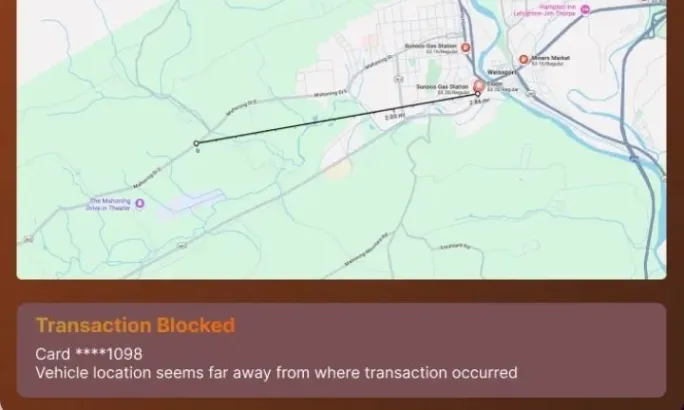
Fuel misuse isn’t always obvious, but the right tools can help.
Photo: RoadFlex
It’s Not Just the Card—It’s What It Connects To
The old way of managing offsite fuel was to check a monthly report and hope nothing looked weird. That doesn’t cut it anymore.
Modern platforms can:
Prevent fuel purchases if the vehicle, driver, and card aren’t at the fuel location.
Catch mismatched odometer readings.
Block fill-ups that don’t match the tank size.
Trigger alerts if someone’s fueling more than expected—or in the wrong place.
Here’s the trick: none of this works in a vacuum. These tools only shine when they talk to each other—your fuel card platform, on-site fuel management system, your telematics, and your FMIS. When they’re connected, you get a full view of how, where, and why your fuel is being used.
That means no more digging through three systems to figure out why Unit 512 fueled twice in one day. Everything’s in one place, mapped to real vehicle movement, job assignments, and your actual fuel spend.
The Payoff of Integration
When systems work together, you stop playing catch-up. Instead of hunting down issues after the money’s gone, you get ahead of them. Real-time alerts flag problems while they’re happening. Reports show you where to focus. And if you do get questioned—by leadership, finance, or the public—you’ve got the data to back things up.
And let’s not ignore the trust factor. Clear policies and automated checks protect your drivers too. When something looks off, it’s the system—not someone in the office—asking questions. That’s a win for everyone.
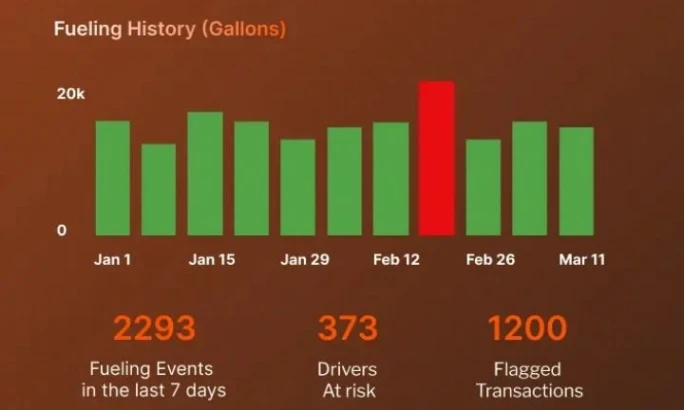
Set reasonable rules for limits, time windows, and fueling locations.
Photo: RoadFlex
A Few Moves That Make a Big Difference
If you want to tighten up your fuel oversight without adding hours to your week, here are a few simple things to put on your checklist:
Make sure your fuel cards connect to your telematics. This lets you verify location, movement, and tank size in real time.
Integrate your fuel data with your on-site fuel management system and FMIS. This brings all your spending, usage, and exceptions into one view—no spreadsheet mashups required.
Use exception alerts to focus your reviews. Don’t waste time combing through clean transactions. Let the system surface the stuff that needs a second look.
Set reasonable rules for limits, time windows, and fueling locations. If a vehicle never fuels past 20 gallons, cap it there.
Train your drivers on the why, not just the rules. Most folks want to do the right thing—but they need to know what right looks like.
The Bottom Line for Fleets
Fuel misuse isn’t always obvious, and it’s rarely fixed by yelling louder or reviewing more reports. It’s fixed by giving yourself the right tools—and making sure they work together.
Whether you run 50 units or 5,000, the story’s the same: when your systems are connected, your risks go down, your oversight goes up, and your headaches get a lot smaller.
And if you’ve ever sat through a fuel audit with half-matching records and sticky notes holding things together, you already know—this kind of cleanup is worth it.
Subscribe to Our Newsletter
More Blog Posts
Now What Should We Do? Looking Beyond the Pinpoint Test
When a pinpoint test leads to a replacement that doesn’t fix the problem, technicians need to look beyond the instructions.
Read More →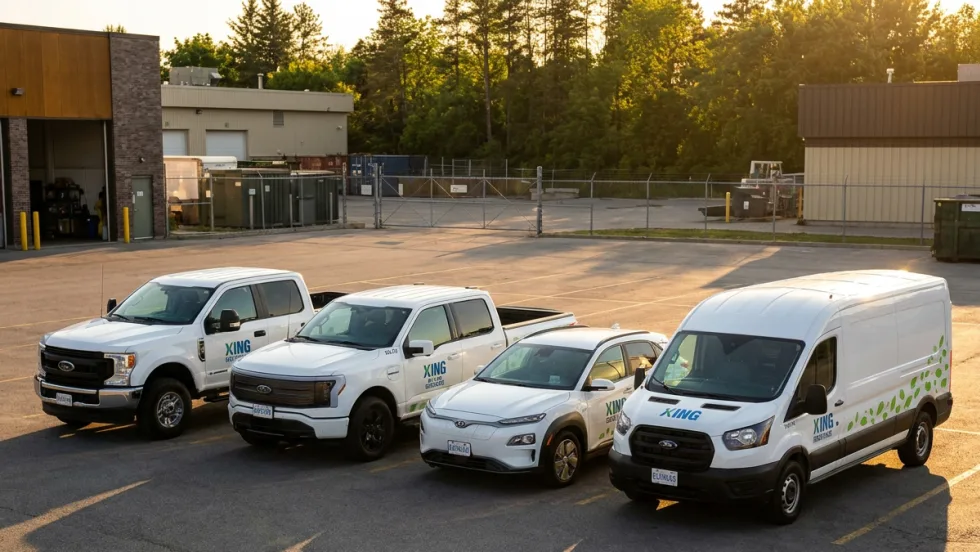
The Missing Link in Fleet Safety: Turning Data into Behaviour Change
Every municipal vehicle tells residents something about how their fleet is being managed. For King Township, Ontario, that visibility made speeding more than a driver performance issue.
Read More →
Flavor of the Decade: The End
As automakers pivot toward hybrids and extended-range models, the costly slowdown in battery-electric vehicle adoption raises questions about what comes next for the Big Three and government fleets.
Read More →
Why Technician Development Is a Retention Strategy
Clear development opportunities can help fleets show technicians how their skills and careers may progress within the organization.
Read More →
Building a Cross-Department Fleet Data Standard: What to Agree on First
As municipalities expand their use of fleet technology, the challenge is less about collecting data and more about making that data usable.
Read More →
7 Tips for Smarter Fleet Management
The potential to manage your fleet effectively while ensuring the safety of both employees and the community can often go untapped, but there are certain habits you can adopt to get to that point.
Read More →
Why Now Is the Time to Return to Government Fleet Expo
For fleet professionals who haven't attended GFX in a while, this year's event provides more than just education sessions and networking opportunities. From emerging leaders and innovative fleet strategies to industry recognition and peer-to-peer discussions, GFX 2026 reflects the changing landscape of public fleet operations.
Read More →
What to Expect at GFX
The Government Fleet Expo & Conference can be overwhelming in the best way possible. Whether you’re a first-time attendee or a returning fleet professional, these practical tips will help you plan ahead, stay energized, maximize networking opportunities, and make the most of every moment at GFX 2026 in Long Beach.
Read More →
How to Get the Most From an Industry Conference
A new strategy in how to present conference attendance justification for you and even for your staff and how you and they can benefit and even thrive in the conference environment.
Read More →
How Electric Vehicles as a Service Could Reshape Public Fleets
How the EV model can address concerns about meeting state mandates, cost, emissions and range anxiety.
Read More →