




Fleet Management Evolution and Workforce Challenges
How the role of fleet manager has changed, what municipalities should do when bringing on new fleet hires, and how those in the fleet industry can stay better connected.


Individuals looking to fill a management role should have equal skills and be able to understand and work with the team's staff as well as the business side of things.
Photo: Mikhail Nilov
The role of the fleet manager is ever-changing, and issues faced 10 or 20 years ago may look very different now. Mark Stevens, who previously worked as the fleet manager for the city of Sacramento, California, spoke about his time overseeing a California fleet and what he's learned along the way. Stevens looked back on how the role of the fleet manager has changed, what municipalities should do when bringing on new fleet hires, and how those in the fleet industry can stay better connected.
Fleet Changes and Understanding Today's Challenges
Stevens' journey into fleet started in the 80s when he graduated from Purdue University and was hired as the heavy equipment engineer for the Detroit Edison Electric Utility. And it evolved from there. Stevens held that role for 10 years, then had the opportunity to become the fleet manager for the city of Pompano Beach, Florida, where he spent 20 years.
When Stevens first started in fleet management, orders were being made on paper, Windows wasn't available, and vehicles still had carburetors. The operating system he had at the time was a box operating system, which allowed the user to work from six different windows but was, as Stevens put it, "nothing like today's software system."
"It was obviously has evolved tremendously over the past 40 years," he said. "It was a different world back then."
With how valuable data collection is today, being able to use that information is extremely important for fleets, from retrieving and collecting that data to using it for analysis when considering what needs to be done for replacement and operational costs.
As for current-day issues fleet managers face, Stevens pointed to the challenges surrounding the labor force, something he said can't all be contributed to the changes that resulted from COVID but could be attributed to environmental changes.
"You don't have as many young adults who seem to want to work in the field," he said. "So trying to go to the colleges, to get people to understand what working in government is like, and the opportunities and advantages, it's just difficult."
Stevens estimated that when he retired, there was a 15% to 20% vacancy in the city of Sacramento's labor force. He explained that it had been that way for about two years because they couldn't find anyone to hire.
"In years past, when we would have 40, 50, applicants, we now had, after several months of soliciting, three or four applicants…the labor force just isn't there, or the desire to work for government."
Learning from the Past to Prepare Other Fleet Managers for the Future
When asked if he would do anything differently in his career, Stevens said that when he first started in his fleet management role, he didn't spend enough time with other agencies.
"I was so focused on what we were trying to do as a fleet," he said, adding that networking, primarily through the various organizations available to fleets, plays a vital role in disseminating information.
For example, Stevens said he wished he had shared more about the fleet's sustainability policy so that other agencies wanting to start their own electrification journey would know what was or wasn't necessary and what was available to them.
"Being able to share that is, I think, extremely important," he said. "I've never found an agency or another fleet manager over the years that if I had a question or they had a question, that we wouldn't pass information along or help each other out… it's not a cutthroat organization working for government; we're all there to help each other and always have."
Stevens also would have spent more time promoting what the fleet was doing. This included sharing that information with internal customers as well.
When he arrived in Sacramento, after being in the business for more than 30 years, he took time to do more of this by applying for all the awards that are out there, from Leading Fleets to 100 Best Fleets.
Applying for awards had a two-part benefit: not only did this allow internal customers to understand what the fleet was doing and how good of a job they had done. It also helped them better understand their own fleet through the questions they had to answer, such as an analysis of idling data.
"Spending time with those questions and understanding what's available to the fleet managers was a tremendous help," Stevens said. "Just making sure that not only your internal customers but your staff realize that they're appreciated and they understand what you do."
What Should Municipalities Look for When Hiring a New Fleet Manager?
For Stevens, rising through the ranks means being more than a technician, and "learning how to turn wrenches isn't necessarily important anymore." With how much vehicles have changed, technicians have also had to pivot with many graduating with electrical degrees.
Individuals looking to fill a management role should have equal skills and be able to understand and work with the team's staff as well as the business side of things.
There is, of course, the need for fleet managers to manage budgets and understand where the dollars are going. Still, Stevens advised the importance of making sure that fleet managers understand where the dollars are going while also being able to work with people.
Stevens' advice is to have that business background and a broader understanding of what this entails. On top of that, being able to see what fleets need in the realm of electrification, including infrastructure and, of course, the vehicles themselves, will also go far.
Connections Within the Fleet Community and Strengthening Those Ties
Stevens said fleets seem to be more connected than before but it's still important to make sure that new fleet managers get involved and are able to find the information they need for their own operation's success. This is especially true as more fleet managers retire.
"I think that was key for me early on, not realizing that these organizations existed and the advantages and the help that is available to them… the key is making sure that as they come into an organization, that that organization itself is aware of all the help that's available to them, that they make sure that the fleet manager takes advantage of that."
And Stevens said it isn't necessarily going to the conventions, it's knowing the information that is available online. So much of having a good fleet management information system is understanding the data. Just don't get overwhelmed by all the information out there, Stevens added.
"There's so much information," Stevens said. "It's just important to understand that the resources are available and to know where to go...I think that's key."
More Operations
A Thanksgiving Feast of Fleet Features
This Thanksgiving, revisit five Government Fleet stories about how public fleets handled some of the year’s most familiar challenges.
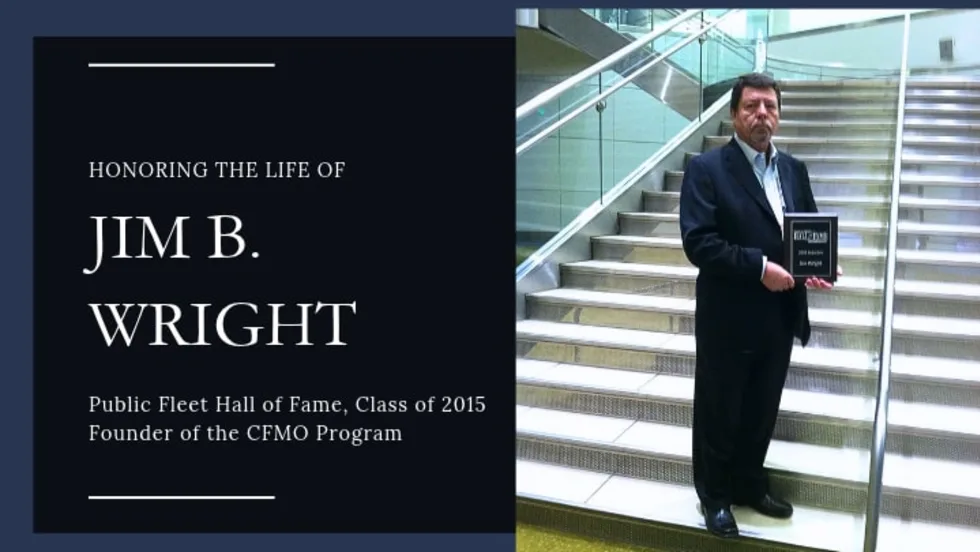
Remembering Jim Wright, Public Fleet Hall of Famer and CFMO Founder
James 'Jim' B. Wright, who founded the Certified Fleet Management Organization (CFMO) program and guided it for many years, died Wednesday evening, Nov. 18.

What Fleet Metrics Can Miss, Plus 2027 Police Vehicle Tests and Awards
What could a healthy-looking fleet metric be hiding? This week’s roundup looks at when to dig deeper, how 2027 patrol vehicles performed in preliminary tests, and how to apply for the Police Fleet Innovators Award.

What Can Disappear After a Fleet Crash?
This week, we look at drone footage, what fleets should document before repairs begin, and share a quick poll.

Does Your Government Fleet Handle Refuse and Waste Operations? Take Our Poll
Government Fleet wants to hear from public-sector fleet professionals about their responsibilities for refuse collection and waste management equipment.

Fleet Replacement Decisions, Waste Fleet Technology and the GFX Deadline
Is your next vehicle the right fit, can your records settle a missed pickup dispute, and what could your fleet teach others at GFX 2027?

Is Delaying Fleet Replacement Really Saving Money?
Could delaying replacement cost your fleet more than it saves? This week’s recap takes a closer look, plus an update on GFX 2027.

What Government Fleets Are Missing About Their True Costs
What are fleet budgets missing, and how can agencies use the data they already collect to make a stronger case for change?

Rethinking Fleet Decisions From the Budget Office to the Shop
This October we looked back at how public fleets are reconsidering familiar processes and using what they learn to make better decisions.

Who Owns the Message on a Refuse Truck?
Refuse trucks can carry public messages into neighborhoods, but keeping those messages current takes planning and clear responsibility.