




Operations
Can Public Fleets Trust the Data Driving Their Decisions?
Public fleets have more data than ever, but inconsistent records and missing information can still undermine maintenance, replacement, and cost decisions.
 MENU
MENU SEARCH
Every fleet operation has a team that works in its own unique way. What matters is that each person understands how their role fits into the bigger workflow, and how the team functions as one.

How does your fleet operate as a team? Understanding an operation's uniqueness can help work in the long term.
Government Fleet
*Summarized by AI
If you had to compare your fleet team to an Olympic sport, what event would your operation be participating in?
Take a moment to think about this and ask yourself: Where are our current strengths and weaknesses? This isn't meant to be a right-or-wrong question, but rather to set up a moment to see how well you know the inner workings of your team.
Fleets know the job needs to get done, but the work will be much easier when there's a clear understanding of the operation's main priorities and where everyone's role fits.
If your operation hasn't asked itself this simple question in a while, or ever, now is the time to ask, 'What is our operation built to do, and are we training for that, or just reacting to what is in front of us?'

How does your fleet operate as a team? Understanding an operation's uniqueness can help work in the long term.
Government Fleet
To make the comparison practical, we are breaking it down into a series of event snapshots. The events below reflect recognizable fleet operating styles, with a look at what each one feels like day-to-day, where it typically breaks down, and what to focus on to stay on track.
These are only a few examples, and your operation may find its best fit lands somewhere else or spans more than one event.
Maybe your team isn't ready to run26.2 miles, but if you maintain a reliable pace around preventive maintenance, replacement plans, and long-term spending decisions, then this is your operation's event.
Operations that not only know how to stay consistent despite fleet changes but that can also keep up with KPIs are those that have found what rhythm works for them. Like running a marathon itself, it takes time to build up to a daily workflow that sees day in and day out success.
Even the most consistent fleets can get behind. One key area to be on top of is when PM is deferred during busy seasons or when standards drift across similar assets. Avoid this by tightening standardization and locking in a long-term replacement cadence.
Teams that fit into the relay racers event may be in the middle of change. Whether it's a new fleet manager or new technician roles, these operations have had to quickly find ways to hand over tasks without missing a step.
In theory, this might not seem like the most desirable event to be in, but a fleet team that has nailed down quick transitions while pivoting if a role changes will be more successful when operations are running more smoothly, and a sudden change does happen.
Like a relay race, fleets that are in the middle of a transition can get behind if that transition isn't made smoothly and timed correctly. These fleets need to set up clear communication and make sure each person knows not only their role but the roles of everyone around them.
Is a transition happening? Start planning now by defining the handoffs before the pressure hits and by keeping responsibility clear so work does not stall between departments.
What's the fleet equivalent of landing a handspring double front or a double-twisting double-tucked back? It is the once-in-a-career moment when everything hits at once, a major hurricane, a wildfire, or a flood that cripples operations, wipes out a shop, or forces the team to keep critical units moving with limited space, limited parts, and no margin for error.
This will most likely resonate with operations that manage emergency response fleets. There's dealing with the day-to-day unit needs, but when something big happens, there's little time for error. Like nailing that move, making sure vehicles are ready, and crews can respond has to be planned out well in advance.
Because emergency events, especially natural disasters, can become worse than planned or do more damage than an operation can control, fleets need to also know how to stay balanced once the disaster has passed.
In addition to planning the how-to during an event, fleets also need to prepare for what happens if units are lost, buildings are taken out, or power isn't available. Fleets that succeed have multiple plans in place and are prepared, no matter the outcome. It's a 'hope for the best, prepare for the worst' kind of mindset.
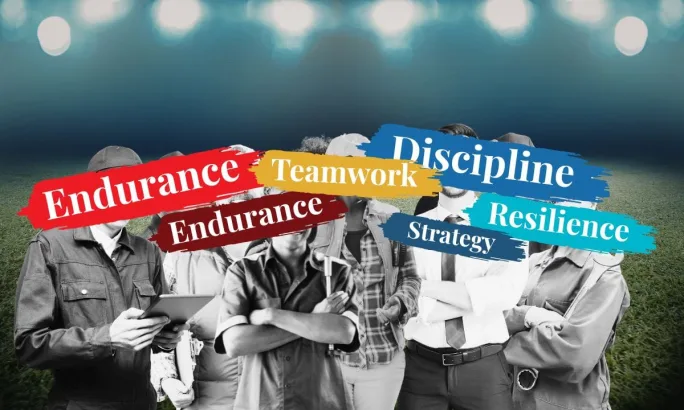
Each fleet's team members bring their own individual personalities and talents to the table. It's important to know how each plays into their roles or when filling in for another individual.
Government Fleet
If your operation lives in the land of high loads and hard schedules, you're probably not sprinting; you're lifting, recovering, and lifting again, with little room for downtime. When the fleet is tasked with maintaining vehicles for refuse, transit, or utility, for example, there isn't much wiggle room when a unit is out, or parts need to be replaced.
The community relies on the fleet department to keep these units up and running, and when a schedule is missed, citizens are aware. Fleets that have the strength to keep up with this immediate, heavy lifting understand the needs of the community and what the administration is asking to get done. There is a clear line of communication from start to finish.
Units inevitably break down or need to be out of service for tune-ups or repairs. What does that mean for fleets that have vehicles needed for things like refuse removal or snow clearing? These fleets need a playbook that keeps them ahead of the issues that are guaranteed to come their way.
Heavy duty fleets run into problems when urgency becomes the default and the operation relies on last-minute saves. It's bad form and can cause pain for the whole operation down the road. Fleets should lean on preventive maintenance while planning parts and spares around lead times so the schedule does not fall apart the moment one unit cannot go out.
Synchronization. It's not always as easy as it seems. If one oar loses momentum or one individual doesn't fully understand their role, it can trigger a chain reaction that can cause the entire team to fall behind. But when every person on the fleet understands their role, and that of the people around them, the operation can move forward with smooth synchronicity.
The winning rowing team can be reflected in fleets that value shop culture and that have been able to retain technicians, even promoting them up the line. A core value for these fleets should be leadership consistency, in addition to helping individuals focus on their career paths to maintain longevity.
High-performing teams may be built on synchronization, but even small missteps can throw off the flow of the operation. In rowing, poor timing and an uneven leadership balance can throw a team out of sync. In fleet, the same can happen when one part of the operation pulls harder than the rest, causing a pace that might feel frantic but moves slowly.
In regard to timing, fleets lose progress when work starts moving out of sequence, when approvals come after the repair should already be in motion, or when parts and scheduling are treated like an afterthought.
To stay on pace, the goal should be making sure decisions and ensuing tasks are lined up so the next step is ready before the last one ends, not after the delay has already slowed the whole operation.
Breaking, aka breakdancing, made its official Olympic debut at the 2024 Paris Games. Whether you're a fan of breakdancing or not, the competition requires some creative thinking and a lot of flexibility. For the fleets that are taking the charge and working on innovative new solutions that may not be quite mainstream, this is for you.
If your fleet is breakdancing, then you aren't afraid to try something new, or even something not the norm, to make some, well, breakthroughs. That is how new ideas go from different to dependable, and why the fleets willing to try them often set the pace for everyone else.
New events have been added to the Olympics, while other events have been adjusted to reflect how competition changes. Fleet work shifts the same way with a changing landscape and new demands. If your team does not match any one event perfectly, that is normal; the value is in the exercise.
Name the event you are running today, then decide what you need to strengthen to run it better tomorrow.
Loading data...
Operations
Public fleets have more data than ever, but inconsistent records and missing information can still undermine maintenance, replacement, and cost decisions.





Operations
David Renschler walked into Fairfield with plenty to learn and no idea what awaited him. Twenty years later, the lessons from what came next are still shaping his approach to fleet.
Safety
How a strong accident response process helps government fleets move from the initial report to recovery while building a clearer record for what needs to change next.
Maintenance
Downtime is rarely caused by a single surprise failure but rather by an issue that builds over time through setbacks ranging from deferred maintenance to poor replacement planning. So what's the fix?
Operations
A look at where to find good talent, what fleets are doing to incentivize those techs to stay within the fleet, and what promotion looks like for a technician within the public sector.
Safety
Behind every wildfire response is a complex network of vehicles, data, and decisions that must work in sync under extreme pressure. Global heating trends require strong fleet coordination and reliable communications to keep crews safe and operations running smoothly.
Spring officially started Friday, March 20, and while some fleets may still be waiting for all the snow to melt, now is the time to shift from winter survival to summer readiness.
Operations
Every fleet operation has a team that works in its own unique way. What matters is that each person understands how their role fits into the bigger workflow, and how the team functions as one.
Operations
When it comes to the public sector, outcomes are usually driven by three areas fleet leaders can actually control, but it’s combining these into one operating model where operations see the most success.
Operations
A look back at some key leadership points from the year and how that advice can shape the decisions for your fleet's future.