




Keep Reading: How Real-World Vehicle Use Guides Replacement And Budgets
First Response Fleets: 10 Takeaways for 2026
A practical look at what first response fleet leaders can apply right now, with clear guidance for making stronger decisions throughout 2026.
by Compiled by Nichole Osinski
February 3, 2026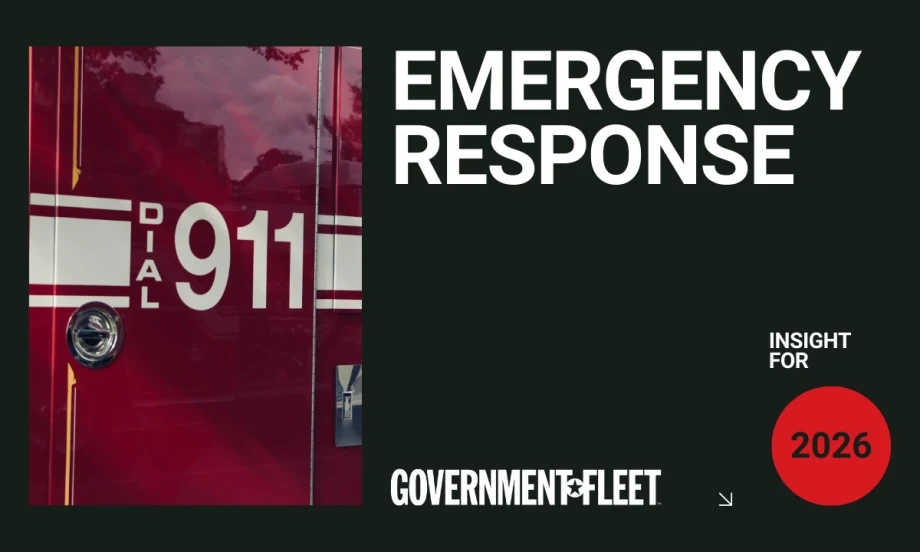
A practical look at what first response fleet leaders can apply right now, with clear guidance for making stronger decisions throughout 2026.
Photo: Government Fleet
3 min to read
Emergency response fleets serve a wide range of departmental needs, and the teams that oversee these vehicles are responsible for keeping units ready to roll at a moment’s notice. Add last-minute emergencies, and there is little room for delays.
Knowing what is needed and the most effective ways to get work done is critical to meeting operational demand. Because this topic could fill multiple pages, we’ve broken it down into 10 key areas that can serve as a starting point for evaluating your emergency fleet needs.
10 Emergency Response Takeaways for 2026
Understand where AI-driven software fits: AI-enabled, software-based emergency vehicle prioritization can support real-time routing and cross-agency data sharing. Fleet teams should evaluate what fits their operation, including models that can reduce reliance on proprietary hardware and its associated lifecycle costs.
When plan updates matter: Fleets often revisit emergency response plans after activations and on a set review cycle, using after-action findings and recent operating experience to refine what the plan covers.
When a rewrite is needed, not just a refresh:Bringing on new systems and assets can introduce new failure points and dependencies that need to be documented in the plan, including power-loss procedures, alternate fueling and charging options, data access and security controls, and who owns specific actions during an activation.
What the policy shift changes for fleets: Greater emphasis on locally documented readiness and coordination, with preparedness records positioned to influence eligibility for some future funding decisions.
What budgeting needs to account for: Emergency readiness and replacement planning may need to move into core operating and capital forecasts, especially for grant-funded assets that tend to age out on the same timeline.
Why “non-routine” regions still need disaster playbooks: Recent events showed that severe weather and other incidents have affected areas not typically built around repeat disaster cycles, which can expose gaps in fleet readiness assumptions.
What tends to break first during activations: Communications and fuel system operability were identified as early pressure points, which drove changes such as backup power for fueling, priority fueling access plans, and alternate methods to account for network failures.
Prioritize roadway-risk mitigation in patrol fleet planning: Use motor-vehicle incident data to guide technology and policy decisions aimed at reducing in-vehicle distraction and improving safety during intersection approaches and roadside work.
Tighten disaster-claim readiness before the next event: Keep insurer-facing unit records current and maintain a consistent loss-assessment and documentation process so claim reporting and recovery can move faster under disrupted operating conditions.
Clarify emergency command and reporting early: Route fleet movements and status updates through an established command structure so dispatch has a single source of truth on where assets are staged, what is disabled, and what support is needed as conditions change.
Subscribe to Our Newsletter
More Safety
New Partnership Aims to Expand Public Digital Hazard Alert System Statewide
The Hawai’i Department of Transportation (HDOT) is expanding advance digital hazard alerts for the public statewide.
Read More →
New York City Expands Safety Technologies Across Municipal Fleet
Executive Order 19 moves intelligent speed assistance and pedestrian alerts from pilot programs toward standard fleet equipment, offering other public fleets a look at how safety technology can be tested, measured, and scaled.
Read More →
Sponsored•August 10, 2026
Hidden in Plain Sight: Fleet Compliance Risks
Fleet compliance isn't just about having policies — it's about consistently enforcing them. This practical guide reveals six hidden compliance risks common in public sector and shared fleet operations and outlines proven strategies to improve visibility, accountability, and audit readiness.
Read More →
5 Days Left to Submit Your 2026 Fleet Safety Award Nomination
Know a government fleet, safety, or risk manager who deserves recognition for making fleet operations safer? Nominations are open through Aug. 15.
Read More →
How the First 24 Hours Can Shape a Fleet Crash Response
How a strong accident response process helps government fleets move from the initial report to recovery while building a clearer record for what needs to change next.
Read More →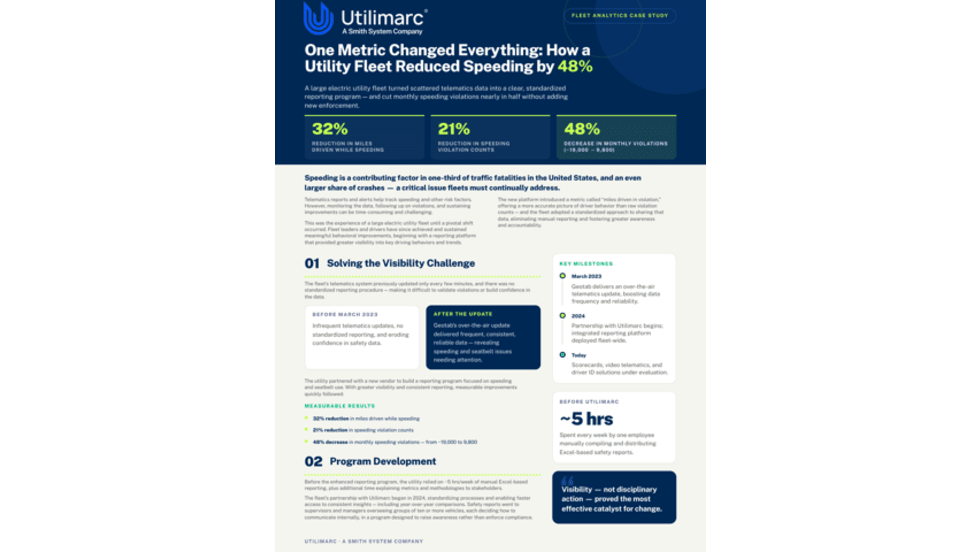
Sponsored•July 17, 2026
How Better Visibility Cut Speeding Violations by 48%
Fleet leaders don't need more data, they need clearer visibility into what the data is saying. This case study explores how one utility replaced speeding-event counts with a single metric — miles driven in violation — to strengthen safety and significantly reduce speeding violations.
Read More →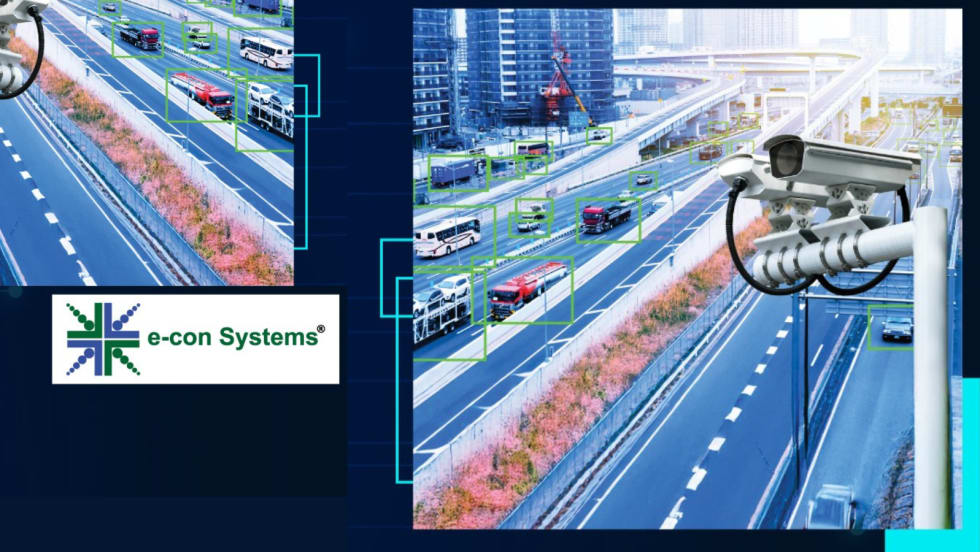
e-con Systems Expands AI Camera Tools for Traffic Monitoring
The systems support license plate recognition, traffic analytics, and video management for transportation agencies.
Read More →
King Township Pilot Links Driver Feedback to Reduced Speeding
How King Township, a best-in-class municipal fleet, reduced speeding by 10.9% and demonstrated a projected 349% ROI by putting safety ownership directly in drivers' hands.
Read More →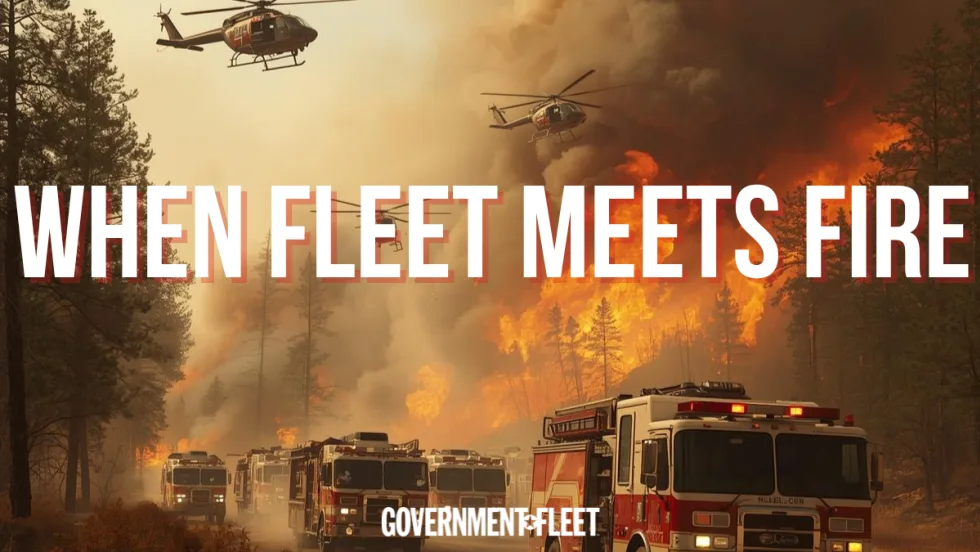
Beyond the Fireline: The Critical Role of Public Fleets in Wildfire Response
Behind every wildfire response is a complex network of vehicles, data, and decisions that must work in sync under extreme pressure. Global heating trends require strong fleet coordination and reliable communications to keep crews safe and operations running smoothly.
Read More →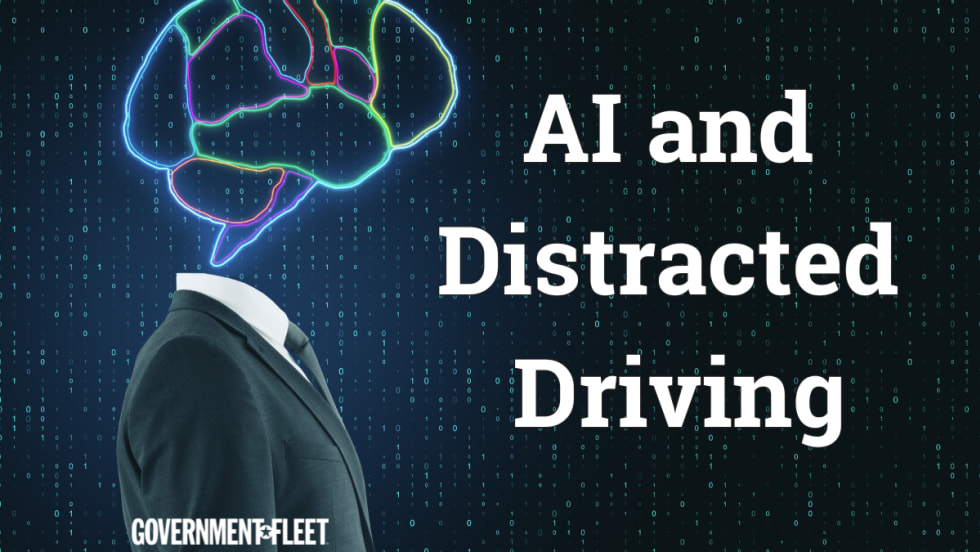
How AI Is Transforming Public Fleet Safety - Part 1
AI-powered safety systems are helping public fleets tackle distracted driving by delivering real-time coaching and measurable behavior change behind the wheel. In part one of our Q&A, Nauto CEO Stefan Heck explains how agencies can improve safety, reduce costs, and navigate implementation challenges with AI-driven technology.
Read More →