




Adopting AI for Workflow Efficiency
Fleet professionals are under constant pressure to do more with less. The question is not whether AI will replace human expertise, but how it can support and enhance it.
by Chris Jackson, Geotab
August 6, 2025
AI toolsets are able to bridge this gap, providing quicker "time to insight" by continuously reviewing a fleet's data before identifying leading indicators and finally presenting actionable information.
Photo: Government Fleet
4 min to read
In fleet management, making quick and accurate decisions is key to saving money and staff time, especially when both are in short supply. As operations become more complex and data volumes grow, artificial intelligence is becoming a powerful tool to help tackle these challenges.
Fleet professionals, from managers to maintenance technicians, are under constant pressure to do more with less. Limited resources, growing data, and rising expectations demand smarter ways of working. That is where AI can come in, not to replace human expertise, but rather to support it.
Approaching AI from a Human Standpoint
AI should be thought of as a junior data analyst working quietly in the background, able to scan millions of data points in just seconds and identify trends and insights that would take hours or days to uncover manually.
When paired with telematics, AI can become a powerful behind-the-scenes assistant. It can flag unusual vehicle behavior, predict maintenance needs, or suggest operational improvements such as refined route optimization based on historical data.
A significant inefficiency AI can streamline is maintenance management. Traditionally, the entire cycle from pre-trip inspections, logging odometer readings, noting vehicle deficiencies, to generating work orders has been a major time sink due to manual processes.
Using AI for Proactive Measures
Even with telematics providing real-time data like odometer readings and engine fault codes, fleet managers often have to manually input or link this data into other systems or take manual actions. AI toolsets are able to bridge this gap, providing quicker "time to insight" by continuously reviewing a fleet's data before identifying leading indicators and finally presenting actionable information.
Take predictive maintenance as an example. Rather than waiting for a warning light or a breakdown, AI can analyze fault codes, temperature changes, and driving patterns to detect early signs of wear. A fleet using this technology might receive alerts that a set of vehicles is showing indicators of battery degradation long before the issue becomes critical.
Maintenance teams can then take proactive action, which can, in turn, avoid costly downtime and repairs. This goes beyond traditional preventive maintenance, which relies solely on scheduled dates or mileage.
AI can recognize specific patterns that, while one vehicle might be due for service, another, though not "due," may need immediate attention due to critical health indicators, allowing managers to prioritize repairs based on true vehicle health rather than just schedules.
AI does not make decisions for people. It enhances human judgment by providing the right information and recommendations at the right time. A technician still determines how to fix a vehicle. An operations leader still defines policy. But with AI, they do so with sharper insights and greater confidence.
AI as Workforce Support for Fleet
There’s a common fear that AI might replace jobs, but the more accurate outlook is this: AI won’t replace people, but professionals who know how to use AI will have a distinct advantage over those who don’t.
Consider a small fleet team responsible for managing hundreds of vehicles with limited headcount. There may be no budget for additional staff, but the workload continues to grow with the increasing availability of data, evolving vehicle requirements, and more pressure to improve efficiency.
In these scenarios, AI becomes a force multiplier. It can automate repetitive tasks like identifying overdue maintenance, spotting risky driver behavior, or compiling compliance reports. That should help free up staff to focus on higher-value work like strategic planning, training, or improving safety programs.
Making it Work for the Public Sector
For the public sector, in particular, AI is able to offer a timely solution to pervasive labor challenges. Public organizations may not have the resources or personnel to fill roles. Budget constraints frequently mean positions are not replaced, leading existing staff to wear multiple hats and juggle a multitude of responsibilities across various departments.
This is where AI toolsets are meant to help companies bridge these gaps, ensuring that essential public services visible to taxpayers continue to be delivered efficiently, ultimately demonstrating responsible use of public funds.
The future of fleet management should not be 'man versus machine' but rather a partnership where people lead with their own insight and AI provides the tools to act with more speed and precision. Organizations that embrace this balance will be better positioned to adapt to complexity and lead the industry forward.
Subscribe to Our Newsletter
More Software
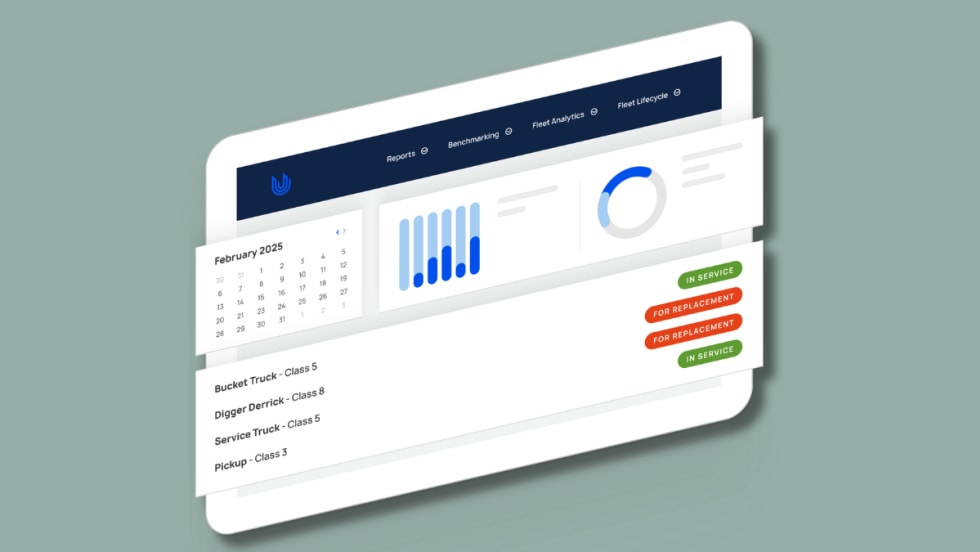
Utilimarc Introduces Vehicle Replacement Planning Tool
Replacing fleet vehicles often involves balancing budgets, maintenance costs, and operational needs. Utilimarc's new planning tool is designed to help fleet managers evaluate replacement priorities using existing fleet data.
Read More →
Samsara Introduces New Brand Identity
The company behind one of the fleet industry's largest connected operations platforms has unveiled a new look. The updated branding reflects Samsara's growing emphasis on AI-driven tools and digital fleet management.
Read More →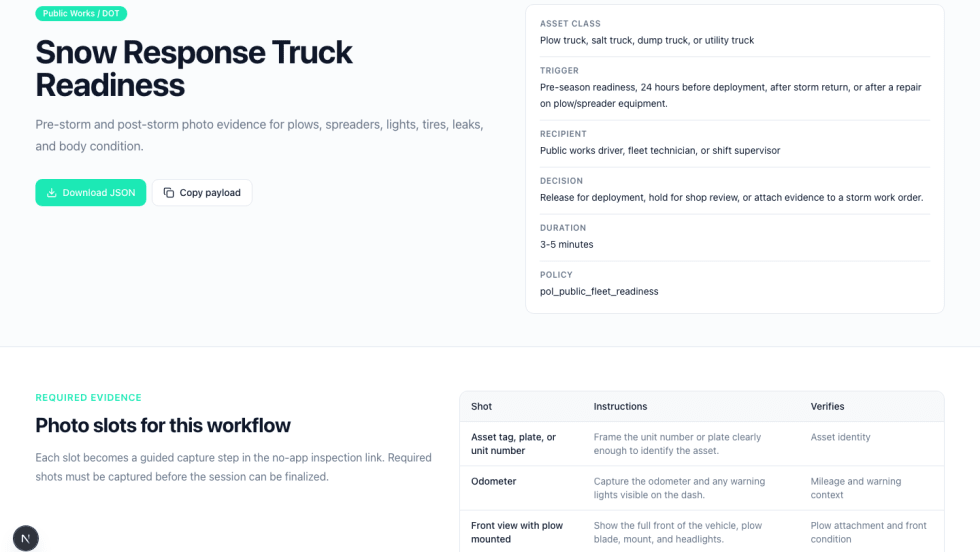
Switch Labs Launches VerifyAI Readiness Kit for Public Fleets
Fleet inspections often rely on paper forms, inconsistent documentation, or manual photo collection. A new toolkit from Switch Labs is designed to give public agencies a more structured way to verify vehicle readiness and track condition over time.
Read More →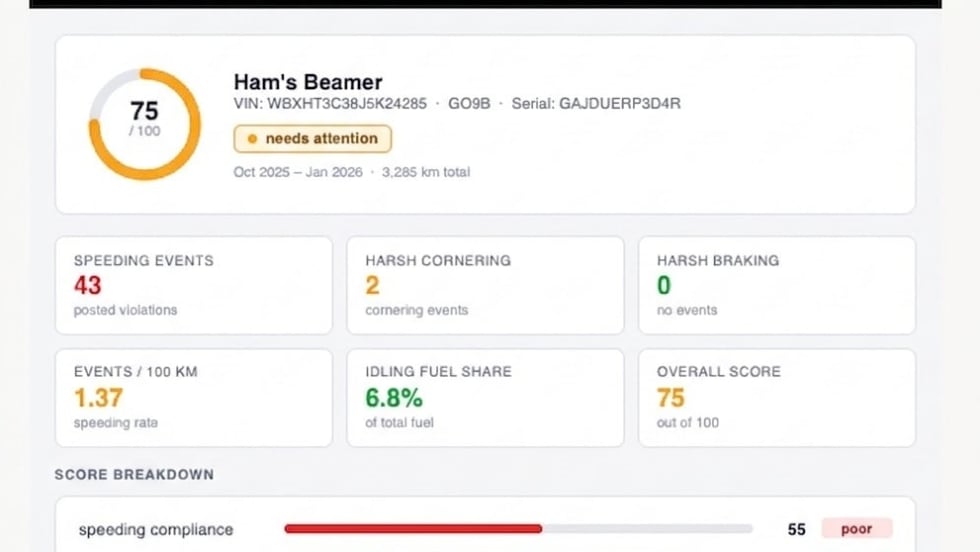
Geotab Launches AI Connector for Fleets
New Geotab MCP Connector enables organizations to securely access live fleet data, automate workflows and take action from within the AI platforms they already use.
Read More →
Ford Adds AI Fleet Assistant to Ford Pro Telematics Platform
AI-driven insights allow fleet managers to query vehicle data, track performance trends, and identify maintenance needs across connected fleets.
Read More →
Report Finds 53.3% of Fleets Researching or Piloting AI Capabilities
New benchmark data highlights the cost pressures, maintenance delays, and workforce constraints shaping fleet operations in 2026.
Read More →
3 Ways Fleet Tech Builds Public Trust
Managing a state or local fleet comes with levels of accountability private companies don’t have. Read how modern fleet technology helps elevate visibility and safety to strengthen community trust.
Read More →
Geotab Expands Sourcewell Contract Adding Video Telematics, Asset Tracking, Data Analytics Solutions for Public Sector
Geotab has expanded its cooperative purchasing contracts with Sourcewell to include additional telematics and data solutions for public sector fleets.
Read More →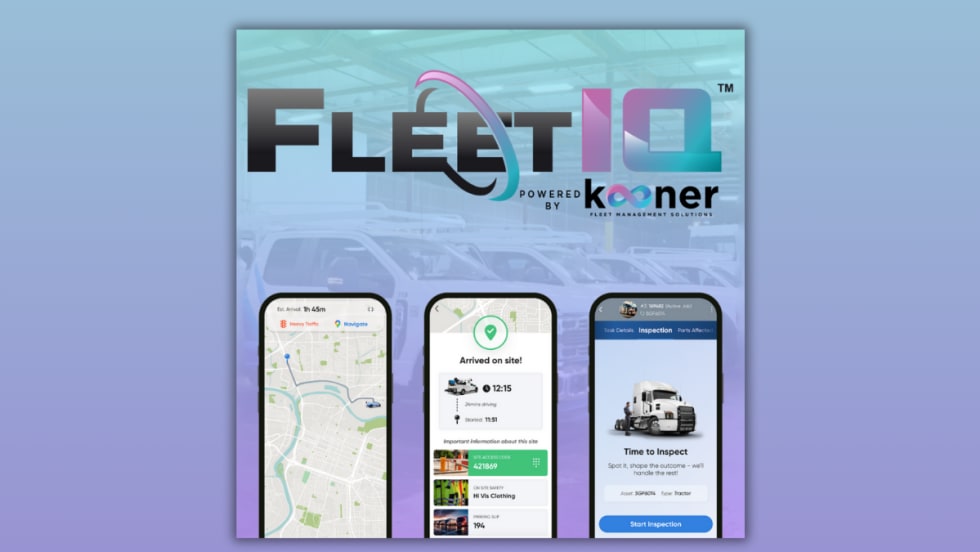
Kooner Fleet Management Launches FleetIQ, A Next-Generation Fleet Maintenance Tech Platform
Kooner Fleet Management Solutions has launched FleetIQ, a new platform that uses predictive analytics and automation to improve fleet uptime, streamline service operations, and support data-driven decision-making.
Read More →
Streamlined Maintenance and Repair Options Now Available for Canadian Fleets
Fleetio expands its Maintenance Shop Network into Canada, giving fleets access to verified repair shops, real-time tracking, and automated approvals.
Read More →