





Related: Streamlined Maintenance and Repair Options Now Available for Canadian Fleets
Report Finds 53.3% of Fleets Researching or Piloting AI Capabilities
New benchmark data highlights the cost pressures, maintenance delays, and workforce constraints shaping fleet operations in 2026.
March 4, 2026
The 2026 Fleet Benchmark Report analyzes maintenance data and survey responses from fleets across industries.
Photo: Fleetio
2 min to read
Fleetio has published its 2026 Fleet Benchmark Report & State of Fleet Management, analyzing aggregated and anonymized data from 1.2 million vehicles across 17.5 billion miles. The dataset includes $7 billion in service spend and 9 million work orders.
The report also incorporates feedback from more than 600 fleet professionals across multiple industries.
Rising Costs Lead Fleet Concerns
Survey respondents identified several top challenges affecting operations:
Rising costs (54.4%)
Regulations and emissions mandates (46.1%)
EV transition and infrastructure (35.1%)
Technician shortages (32.5%)
Parts and vehicle availability (28.9%)
Key Findings
AI Adoption Remains Limited
According to the report, 53.3% of respondents are researching or piloting artificial intelligence tools, while 5.6% report broad use. Half of respondents cited accuracy and reliability concerns as the primary barrier to adoption.
Older Vehicles Drive Higher Maintenance Costs
Vehicles more than 10 years old account for approximately 12.1% of total miles but 33.5% of total service spend. Estimated service cost per mile increases with age, from $0.20 per mile for vehicles aged 0–5 years to $1.10 per mile for vehicles older than 10 years.
The report notes that while aging assets can increase maintenance costs, extended service life and deferred replacement expenses may offset some impacts when vehicles are well maintained.
Maintenance Delays Tied To Coordination And Capacity
Respondents identified communication gaps (31.5%), technician availability (27.4%), and unscheduled service volume (25.2%) as the primary reasons maintenance falls behind schedule.
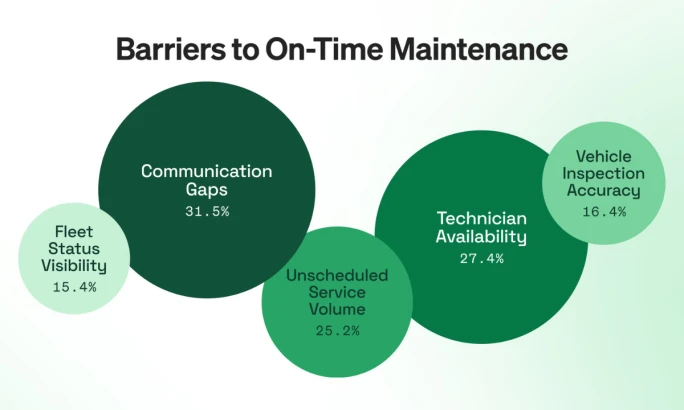
Survey respondents identified communication gaps, technician availability, and unscheduled service volume as leading barriers to on-time maintenance.
Photo: Fleetio
Data cited in the report shows a median time-to-start of 31 minutes for work orders, with a 6.7-day average. Delayed starts can contribute to extended downtime and reduced asset availability.
On-Time Maintenance Leaves Room For Improvement
While 44.3% of fleets reported performing maintenance on time reasonably well, only 9.7% described true consistency as a strength, indicating opportunity for improvement.
The full report is available here.
Fleetio will host a webinar on March 5, 2026, featuring survey respondents discussing additional findings and operational strategies. Registration is available on the company's website.
More Software
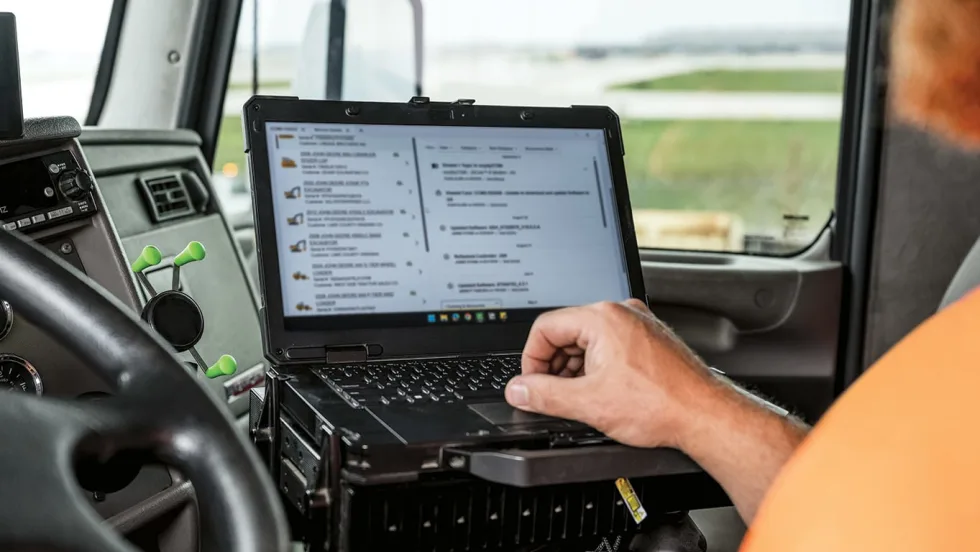
John Deere Introduces Satellite Connectivity for Equipment at Remote Jobsites
Limited cellular coverage can leave public works crews and fleet technicians without access to connected equipment data and diagnostic tools. John Deere's JDLink Boost uses satellite connectivity to extend access to machine information and online resources in remote areas.

Idaho DOT Approves AI-Powered Traffic Detection Technology
The Idaho Transportation Department added Iteris’ Vantage Apex to its Qualified Products List, giving state and local agencies another option for using video and radar to monitor traffic at intersections and inform signal timing.
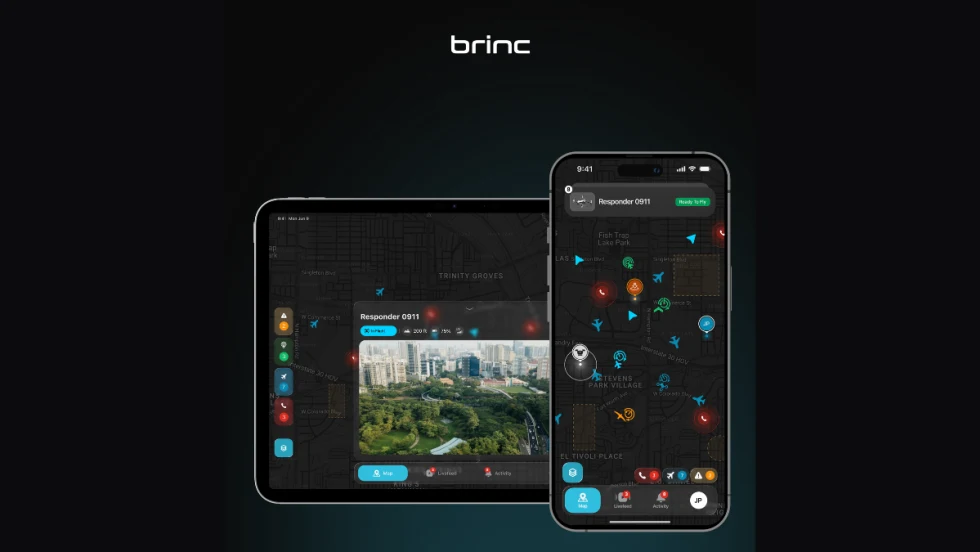
BRINC Launches Mobile App for Public Safety Drone Operations
As more public safety agencies incorporate drones into emergency response, access to aerial footage is expanding beyond drone operators and command centers. BRINC's new iOS app lets authorized personnel monitor live video, review flight information, and access agency drone operations on their mobile devices.
Motive and Routeware Partner to Bring AI-Powered Visual Proof of Service to Waste and Public Works Fleets
The new integration uses Motive AI cameras and telematics to help municipalities and private haulers reduce manual work, settle disputes faster, and protect drivers without leaving the platform their team already works in.
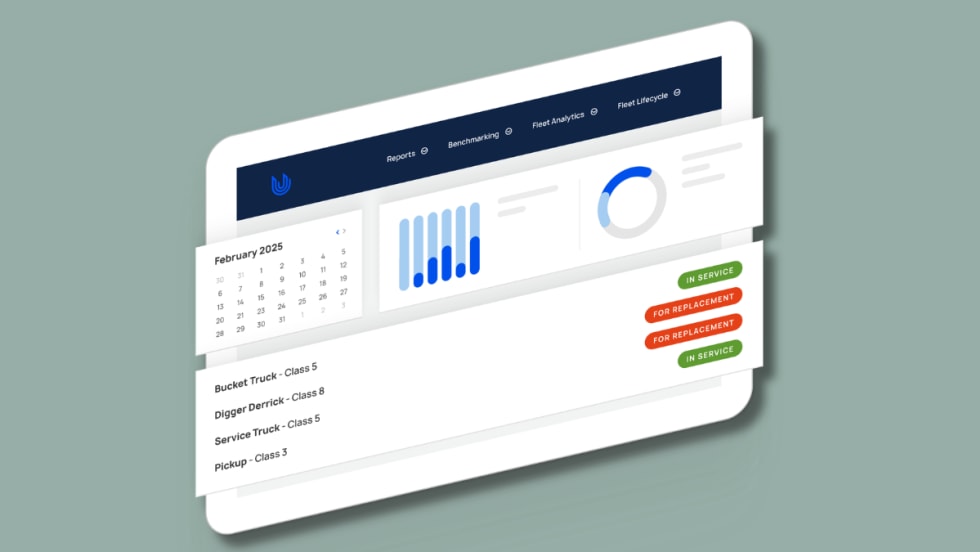
Utilimarc Introduces Vehicle Replacement Planning Tool
Replacing fleet vehicles often involves balancing budgets, maintenance costs, and operational needs. Utilimarc's new planning tool is designed to help fleet managers evaluate replacement priorities using existing fleet data.
Samsara Introduces New Brand Identity
The company behind one of the fleet industry's largest connected operations platforms has unveiled a new look. The updated branding reflects Samsara's growing emphasis on AI-driven tools and digital fleet management.
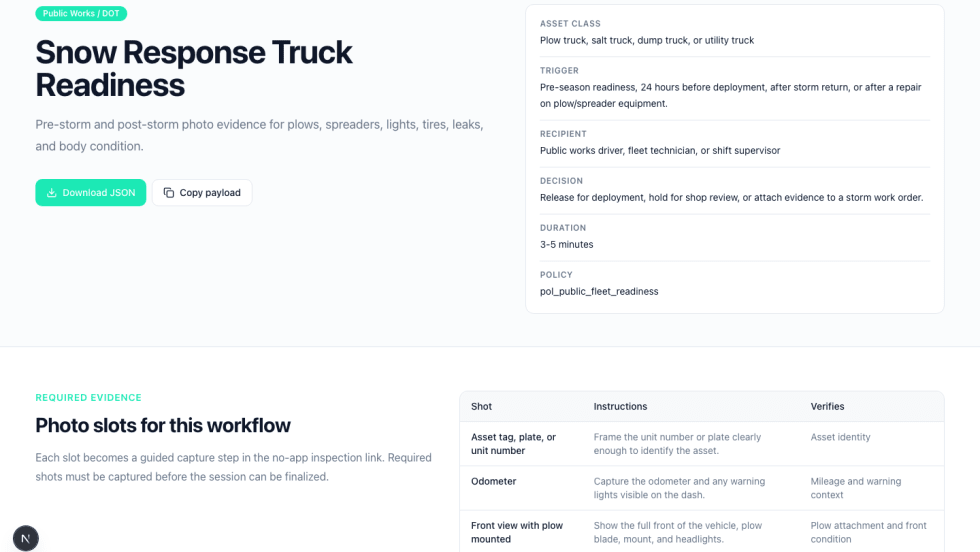
Switch Labs Launches VerifyAI Readiness Kit for Public Fleets
Fleet inspections often rely on paper forms, inconsistent documentation, or manual photo collection. A new toolkit from Switch Labs is designed to give public agencies a more structured way to verify vehicle readiness and track condition over time.
Geotab Launches AI Connector for Fleets
New Geotab MCP Connector enables organizations to securely access live fleet data, automate workflows and take action from within the AI platforms they already use.

Ford Adds AI Fleet Assistant to Ford Pro Telematics Platform
AI-driven insights allow fleet managers to query vehicle data, track performance trends, and identify maintenance needs across connected fleets.
3 Ways Fleet Tech Builds Public Trust
Managing a state or local fleet comes with levels of accountability private companies don’t have. Read how modern fleet technology helps elevate visibility and safety to strengthen community trust.