





Read More: How to Use Reports to Communicate Fleet Achievements
Top KPIs to Track to Improve Fleet Performance
While tracking KPIs is essential for optimizing fleet performance, it’s important to start with clearly defined goals.
September 22, 2025
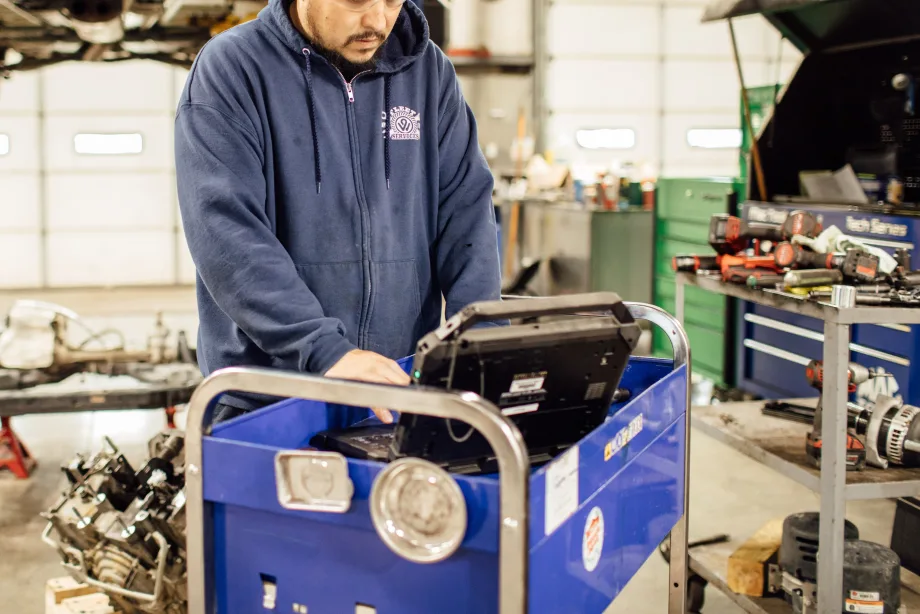
Developing KPIs for maintenance helps ensure your assets are serviced quickly and stay road-ready.
Photo: Fleetio
5 min to read
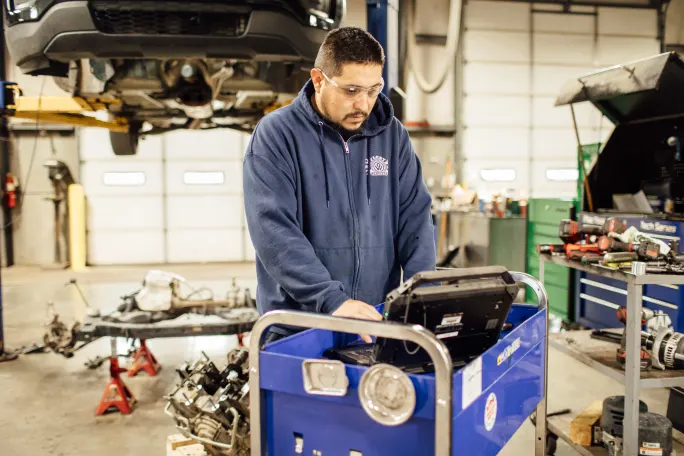
Key performance indicators (KPIs) provide a measurement that demonstrates the effectiveness of your fleet management strategy, as well as where improvements can be made regarding efficiency, productivity, and cost control.
While tracking KPIs is essential for optimizing fleet performance, it’s important to start with clearly defined goals. Perhaps you’d like to limit downtime or cut repair expenses. These goals can be a baseline for setting your KPIs. Using historical data, you can then set benchmarks to target.
To meet KPI targets, you must effectively communicate strategies with your team and have comprehensive access to real-time fleet data. This can be challenging for fleets that don’t have a way to stay connected and track every aspect of the fleet.
Leveraging a digital fleet solution, like a fleet optimization platform, allows you to seamlessly collaborate with your team and monitor fleet metrics in real time. While it can be tricky to get new software for your department, looking into a solution that’s already GSA-approved can mitigate some of the upfront challenges.
Six KPIs to Target
1. Cost Control and Budget Adherence
You can’t improve what you can’t measure. Most fleet managers aim to control expenses, but unfortunately, many don’t have a way to accurately track expenses. Because there are so many costs associated with fleets, manually calculating expenses is an uphill battle. Not only is it difficult to ensure accuracy, but by the time you reconcile your budget, you’ve already fallen behind.
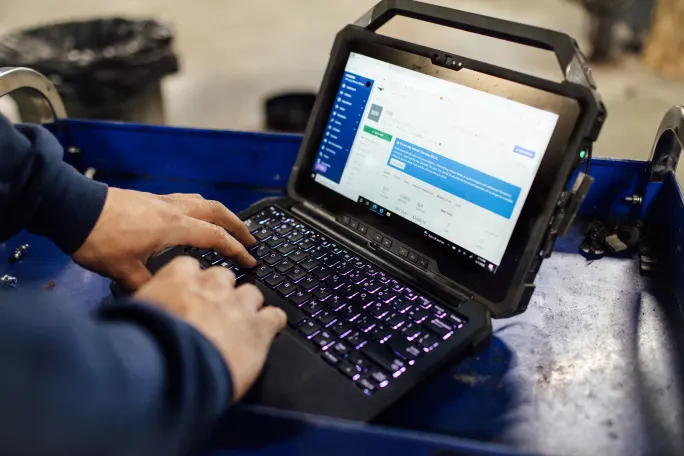
Leveraging digital fleet solutions to monitor asset health and expenses can help you identify optimal replacement windows based on a variety of factors.
Photo: Fleetio
Digital fleet solutions allow you to track expenses in real-time, view expenses on a line item level, and automatically calculate your total cost of ownership (TCO) for each asset. Additionally, monitoring costs with configurable fleet reports allows you to confirm trends across your fleet and take necessary action for improvement.
When setting KPIs for expense management, you can create broad targets, such as cutting fleet expenses by 10 percent, or track specific benchmarks, such as:
Total cost per mile
Parts and labor costs
Fuel expenses
Taxes and registration
Optimal vehicle replacement
2. Maintenance Management and Downtime Prevention
Developing KPIs for maintenance helps ensure your assets are serviced quickly and stay road-ready. When determining maintenance benchmarks for a productive fleet, first consider measuring repair turnover rate. Then consider monitoring technician efficiency to help ensure assets aren’t accruing unnecessary downtime for shop-related issues, such as understaffing and unbalanced workloads.
You should also track issues by asset. Are there certain assets that experience frequent oil leaks or other issues? Comprehensively tracking asset health allows you to spot recurring issues and trends across your fleet.
Finally, measure preventive maintenance (PM) compliance rates. Adhering to a strong PM schedule helps technicians identify and repair issues before they compound and cause downtime. To stay on top of PM schedules, consider setting a KPI to measure how well you’re following service schedules.
3. Optimal Vehicle Replacement Targets
We’ve discussed both expense and maintenance management. These two aspects of your fleet management plan can help you make one of the more challenging decisions for your fleet: vehicle replacement. Determining the best time to replace vehicles is complex. You want to get the most out of your assets, but there comes a point of diminishing returns with every vehicle. At some point, maintenance expenses outweigh the cost of a new vehicle.
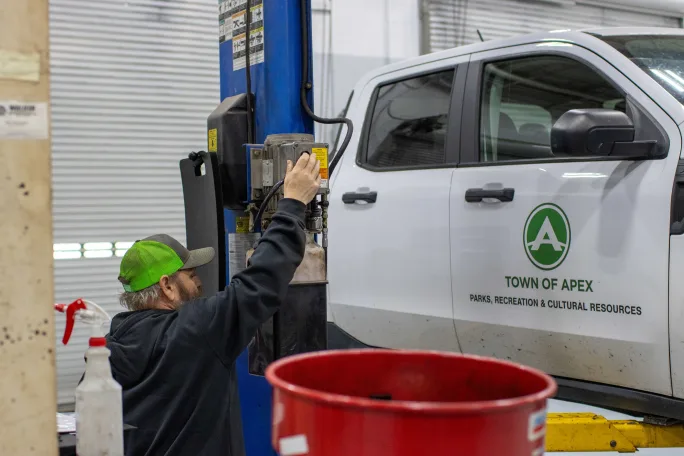
When setting KPIs for expense management, you can create broad targets, such as cutting fleet expenses by 10% or specific benchmarks.
Photo: Fleetio
Leveraging digital fleet solutions to monitor asset health and expenses can help you identify optimal replacement windows based on a variety of factors. With this analysis, you can center your KPIs to target lengthening asset lifespan by X percent and create a target to replace vehicles at optimal times to avoid spending more money in the long run.
4. Fuel Costs
Fuel is one of the largest ongoing costs for fleets and, while unavoidable, fuel costs can be managed. Monitoring fuel consumption and expenses, whether using a spreadsheet, fuel cards, or other fleet solutions, allows you to develop strategies for improvement. When setting KPIs surrounding fuel, fleet managers should target fuel efficiency. This involves both monitoring fuel consumption trends as well as improving routes and driver behavior.
“It’s also important to monitor fuel exceptions,” said Stefano Daneri, fleet ecosystem strategist at Fleetio. “Fueling past tank capacity can be an indication of theft and, while that’s not a comfortable subject to discuss, it’s a reality for many fleets.”
5. Compliance and Inspections
To maintain compliance, government fleets must complete daily inspections. Keeping a log of completed inspections is critical to passing a DOT audit or road check. Creating a KPI to target thorough inspections is one of the best ways to maintain compliance. Monitoring completion rates in digital fleet solutions ensures whoever is driving a vehicle is keeping up with compliance and keeps you informed of any assets that require maintenance.
6. Safety and Driver Behavior
Safety is a fleet manager’s top priority and, just like costs and maintenance, safety can be measured. Setting driver safety KPIs to improve overall fleet safety and driver behavior allows you to ensure assets, drivers, and the public at large are safe on the roadways.
Consider tracking driver performance metrics like speeding incidents, harsh braking events, and compliance with driver inspections. Fleet managers can also monitor driver behavior with fleet telematics tools to identify harsh braking and speeding.
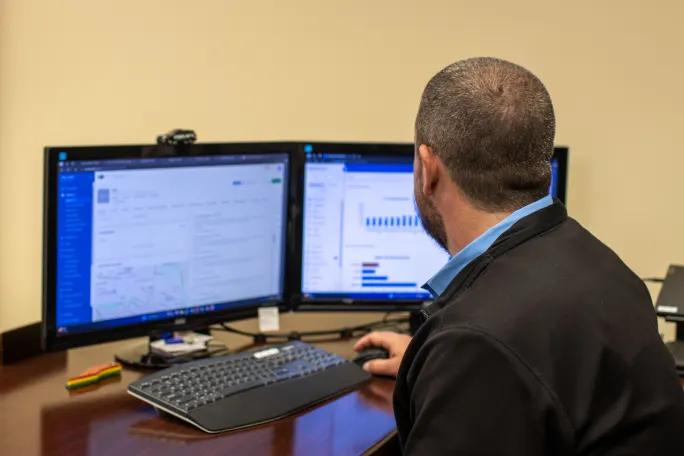
While tracking KPIs is essential for optimizing fleet performance, it’s important to start with clearly defined goals.
Photo: Fleetio
Training drivers regularly on safe driving habits and creating a program for fleet safety can ensure your team is taking safety seriously. Not only does this decrease liability, but it can also help avoid fines and violations.
Aligning KPIs with Fleet Management Objectives
To ensure your KPIs are truly driving success, it's important to align them with these broader objectives. For example, if improving efficiency is your top priority, focusing on KPIs like fuel consumption and vehicle utilization will help you monitor and optimize resource allocation.
Similarly, metrics like maintenance costs directly support productivity and cost control goals. Aligning KPIs with your fleet’s strategic objectives better ensures that every metric is not just a number, but a tool to improve overall fleet performance.
Subscribe to Our Newsletter
More Operations
Is Keeping Older Fleet Vehicles Really Saving Money?
Is keeping vehicles longer saving money, and what happens when a diagnostic test points to the wrong fix?
Read More →
How Smart Fleet Strategy Can Help Local Government Agencies Do More with Less
Keeping a vehicle longer may ease this year’s budget, but what does it cost the next one? A closer look at fleet decisions can reveal opportunities to reduce spending while protecting essential services.
Read More →
Connect with Government Fleet on LinkedIn
From industry news and fleet management strategies to conversations with peers, Government Fleet's LinkedIn page offers public-sector fleet professionals another way to stay informed and connected.
Read More →
Town of Queen Creek Named Most Successful Fleet Award Winner of Inaugural RTA Fleet Success Awards
Five fleets were honored at RTA Connect 2026 in Chicago for excellence across resource efficiency, intentional culture, risk management, and stakeholder satisfaction.
Read More →
Sponsored•October 14, 2026
A buyer's guide to fleet management software in 2027
Buying fleet management software in 2027 means looking beyond features and price. As fleet operations, technology and expectations evolve, this guide explores what today’s fleet professionals should consider when choosing a system that can deliver value now and adapt to what comes next.
Read More →
Hazard Alerts, Fleet Car Sales Rise and a New Shuttle Concept
Fleet car sales doubled, but the bigger picture tells a different story in this week’s roundup.
Read More →
How St. Johns County Turned Fleet Data Into Better Replacement Decisions
St. Johns County, Florida, had fleet data, but turning it into reliable decision guidance was another matter. Instead of starting over with a new fleet management system, the county connected existing tools and built a scoring system that gives managers an objective look at fleet health.
Read More →
Fleet Forward Conference Introduces One-Day Passes for 2026
New one-day registration lets fleet professionals attend Tuesday, Wednesday, or Thursday, with passes available for $249.
Read More →
ENC Unveils its ZAVIR Medium-Duty Shuttle
Two variants of the concept shuttles were revealed: a low-floor configuration and a high-floor configuration.
Read More →
Could Your Next Fleet Technician Start as an Intern?
What if your next technician hasn’t worked in a fleet shop yet? What fleets are doing to free up time.
Read More →