




Minneapolis Fire Department Prepares to Add Three New Pierce Enforcer Pumpers to Front-Line Fleet
The order, secured through Pierce dealer MacQueen, marks the department’s move from commercial chassis pumpers to Pierce custom fire apparatus designed to meet the operational demands of Minnesota’s largest city.
May 28, 2026


The Minneapolis Fire Department has ordered three Pierce Enforcer™ Pumpers from Pierce Manufacturing through dealer MacQueen.
Credit:
Minneapolis Fire Department
3 min to read
Pierce Manufacturing Inc., an Oshkosh Corporation business, announced the Minneapolis Fire Department in Minneapolis, Minnesota, has placed an order for three Pierce Enforcer Pumpers.
The order, secured through Pierce dealer MacQueen, marks the department’s move from commercial chassis pumpers to Pierce custom fire apparatus designed to meet the operational demands of Minnesota’s largest city.
Bringing in the Right Apparatus
“Moving away from a commercial chassis was a major priority for us,” said Deputy Chief Sean Olson of the Minneapolis Fire Department. “We wanted to ride on a fire truck that’s built to be a fire truck. Pierce’s Enforcer Pumpers give us a roomy cab, excellent turning radius, and customized space for our crews and equipment, while keeping the overall layout familiar so the transition is seamless. Most importantly, we’re getting apparatus designed specifically for firefighting, which means low downtime, few repairs and vehicles built to do exactly what we need.”
The Minneapolis Fire Department operates 19 fire stations and is supported by 434 firefighters. Serving a dense urban environment with major interstate corridors and harsh winter road conditions, the department sought apparatus that would have the needed maneuverability, provide for crew safety, and help manage long-term maintenance needs.
“Designing these pumpers through the Build My Pierce program allowed us to move quickly while still delivering apparatus tailored to Minneapolis’ operational needs,” said Brad White, Fire Apparatus Sales Representative for MacQueen. “Minneapolis has been a Pierce fleet customer for years and has operated Pierce aerials since 2015, so this transition to Pierce custom chassis pumpers builds on an established partnership focused on reliability, performance and long-term support.”
The department cited Pierce’s custom cab and chassis safety features and MacQueen’s continued fleet maintenance support as key factors in their purchasing decision. Minneapolis also noted significantly shorter lead times compared to previous apparatus orders, allowing the department to move forward without compromising on specifications.
Minneapolis Fire Department’s new Pierce Enforcer Pumpers will feature:
- Enforcer custom chassis
- PACCAR MX-13 engine (510 hp, 1,850 lb-ft torque)
- Pierce TAK-4 Independent Front Suspension with rear air ride suspension
- Waterous 1,500 gpm CSU single-stage pump with narrow pumphouse
- 500-gallon water tank (no foam cell)
- 152” pumper body with customized compartmentation
- Dual cab step design for easy cab access
- Frontal and Side Roll Impact Protection
- Low hosebed and OnSpot automatic tire chains for winter operations
- Whelen warning light package
Deputy Chief Olson added, “Partnering closely with our Fleet Manager, Chris Metcalf, was critical in evaluating long-term maintenance, repair costs and overall downtime. That collaboration helped reinforce our decision to invest in apparatus designed specifically for firefighting. The new Enforcer Pumpers will give us the maneuverability we need in an urban environment, the safety features our crews expect and the confidence that these units will spend their time in service and not in the shop.”
The City of Minneapolis Fleet Department and local service partners supported the procurement process, helping evaluate repair costs and downtime, and reinforcing the department’s decision to invest in purpose-built fire apparatus.
Topics:Operations
More Operations

Fleet Forward Conference Introduces One-Day Passes for 2026
New one-day registration lets fleet professionals attend Tuesday, Wednesday, or Thursday, with passes available for $249.
Read More →
ENC Unveils its ZAVIR Medium-Duty Shuttle
Two variants of the concept shuttles were revealed: a low-floor configuration and a high-floor configuration.
Read More →
Could Your Next Fleet Technician Start as an Intern?
What if your next technician hasn’t worked in a fleet shop yet? What fleets are doing to free up time.
Read More →
How Phoenix Is Building Its Next Generation of Fleet Technicians
With more than 8,000 vehicles and pieces of equipment to maintain, the City of Phoenix could not afford to wait for fully trained technicians to walk through the door. Instead, they revamped their entire workforce strategy and showed how public fleets can create their own talent pipeline while preparing existing employees for increasingly complex vehicles.
Read More →
What’s Slowing Your Fleet Down?
Could a change in how work gets done help your fleet return vehicles to service sooner?
Read More →
Can Public Fleets Trust the Data Driving Their Decisions?
Public fleets have more data than ever, but inconsistent records and missing information can still undermine maintenance, replacement, and cost decisions.
Read More →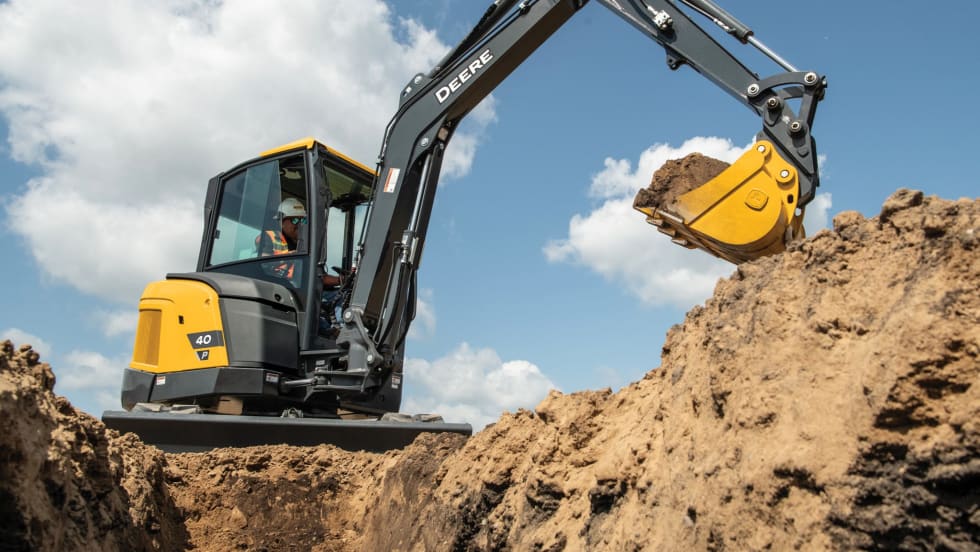
John Deere Introduces 40 P-Tier Compact Excavator
John Deere is adding a compact excavator designed for crews that need to move equipment between jobsites and handle multiple types of work with one machine. The 40 P-Tier weighs less than 10,000 pounds and offers configurable hydraulics, attachment options, and connected fleet-management capabilities.
Read More →
How Leading Fleets Improve and Why Business Plans Matter
This week, we look at what past Leading Fleet winners can teach us about making progress, plus how to build a business plan your fleet will actually use.
Read More →
Nominate a Fleet Leader for the 2027 Public Fleet Hall of Fame
Do you know a fleet leader who has made a lasting impact on the industry? Nominate this fleet professional for the 2027 Public Fleet Hall of Fame.
Read More →
Why Fleet Business Plans Need Three Perspectives
A fleet business plan should help agency leaders understand the fleet’s value, give the organization a clear direction, and establish shared expectations with customer departments.
Read More →