





Click here for more on Government Fleet's reporting on New York City's efforts.
New York City Expands Safety Technologies Across Municipal Fleet
Executive Order 19 moves intelligent speed assistance and pedestrian alerts from pilot programs toward standard fleet equipment, offering other public fleets a look at how safety technology can be tested, measured, and scaled.
September 16, 2026
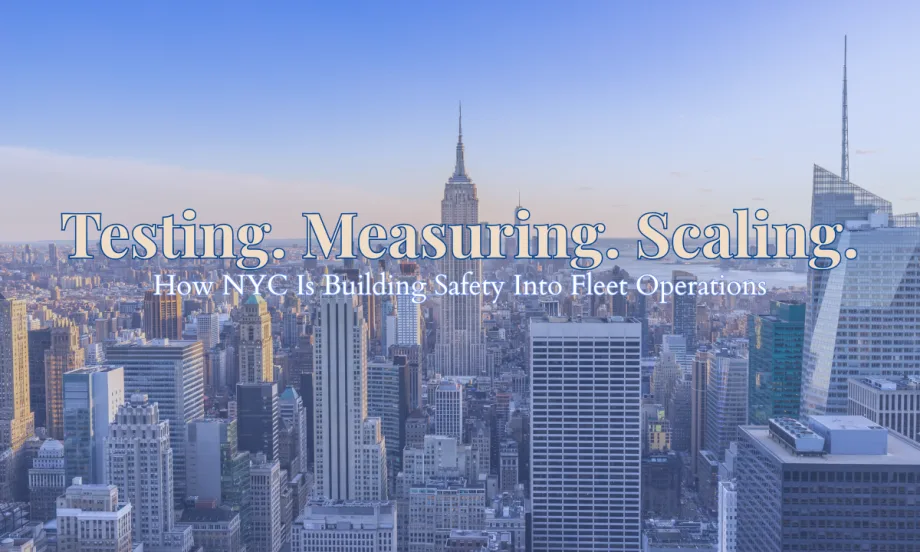
NYC’s fleet safety strategy pairs technology deployment with performance data, allowing the city to measure results before expanding solutions across thousands of vehicles.
Credit:
Government Flett
4 min to read
New York City is taking the next step in its years-long effort to improve municipal fleet safety, moving technologies that were once tested on a limited number of vehicles into procurement and operations across the city fleet.
Mayor Zohran Mamdani signed Executive Order 19 on July 23, requiring Intelligent Speed Assistance (ISA) in contracts to purchase or lease new civilian city fleet vehicles and pedestrian alerts in contracts for new city fleet trucks.
The order also directs the Department of Citywide Administrative Services (DCAS) to retrofit existing city fleet trucks with pedestrian alerts by June 30, 2029.
For fleet managers outside New York, however, the significance may be less about the individual technologies and more about how the city got there.
From 50 Vehicles to Fleet Policy
New York City's use of ISA dates back to 2022, when DCAS launched a pilot involving 50 vehicles from nine city agencies.
ISA uses GPS positioning and digital speed-limit maps to determine the applicable speed and prevent further vehicle acceleration once the vehicle reaches that limit or a predetermined threshold. Drivers retain the ability to temporarily override the system under certain circumstances.
The program has since grown substantially. According to Executive Order 19, DCAS has implemented ISA on 1,000 vehicles across 22 agencies and 23 vehicle types, with equipped vehicles logging millions of miles since the initial launch.
More importantly, the city has been measuring the results.
DCAS reports a 64% reduction in dangerous speeding among ISA-equipped vehicles. The city previously announced plans in 2025 to expand ISA across its civilian fleet as part of its Safe Fleet Transition Plan.
Executive Order 19 takes that effort further by making ISA part of the city's vehicle acquisition process. Contracts for the purchase or lease of eligible civilian fleet vehicles must now require the technology, and ISA must be installed before the vehicle is accepted by DCAS' Bureau of Quality Assurance.
The order also directs DCAS to continue monitoring speeding incidents, collisions, and system overrides. DCAS can adjust maximum speeds, including establishing restrictions below posted limits in sensitive pedestrian areas such as parks or school zones.
Addressing the Risks Around Large Trucks
Speed management is only one component of the order.
New city fleet trucks must also be equipped with pedestrian alerts, which are connected to a truck's turn signals and provide an audible warning to pedestrians, bicyclists, and other road users when the vehicle turns.
The City had already deployed the technology on approximately 800 trucks before the executive order.
Now, DCAS must retrofit existing city fleet trucks with pedestrian alerts by June 30, 2029. City officials estimate that roughly 4,000 existing civilian trucks will ultimately receive the technology.
Emergency-service trucks are treated differently. The order directs DCAS to work with emergency-service agencies to test pedestrian alerts on those vehicles and, when they prove effective, take practicable steps to include them in future purchases.
Building on a Larger Safety Strategy
Government Fleet has followed the city's efforts as DCAS expanded the use of telematics, truck side guards, surround cameras, automatic braking, backup cameras, pedestrian alerts, and other safety technologies through its Vision Zero Safe Fleet Transition Plan.
The city's approach has increasingly centered on using operational data to determine which technologies should advance from testing to broader adoption.
That progression is what Peter Goldwasser, executive director of Together for Safer Roads, sees as particularly significant.
“What is particularly significant is the progression from testing safety interventions, to measuring their performance, to incorporating them into how a major fleet purchases and operates vehicles,” Goldwasser said. “This is how proven safety solutions move from promising ideas to standard practice.”
Together for Safer Roads has previously worked with New York City and DCAS through fleet-safety initiatives including its Truck of the Future program.
A Blueprint Other Fleets Can Adapt
Rather than treating a pilot as the end goal, Executive Order 19 illustrates what can happen after a fleet has enough evidence to determine whether a technology is delivering the intended results.
For another city, county, or state fleet, that could mean identifying a specific safety problem, testing a solution on a manageable portion of the fleet, establishing performance metrics before deployment, and using those results to determine whether the technology belongs in future vehicle specifications or procurement requirements.
“The challenge in fleet safety is increasingly not whether effective technologies and practices exist,” Goldwasser said. “It is how fleets can adopt them consistently, incorporate them into procurement and operations, measure their impact, and implement proven solutions at scale.”
In New York, a 50-vehicle ISA pilot ultimately helped inform a policy affecting thousands of municipal vehicles.
For other public fleets, the numbers may be smaller, but the progression — test, measure, standardize, and scale — offers a model that can be applied at nearly any fleet size.
More Safety
New Partnership Aims to Expand Public Digital Hazard Alert System Statewide
The Hawai’i Department of Transportation (HDOT) is expanding advance digital hazard alerts for the public statewide.
Read More →
Sponsored•August 10, 2026
Hidden in Plain Sight: Fleet Compliance Risks
Fleet compliance isn't just about having policies — it's about consistently enforcing them. This practical guide reveals six hidden compliance risks common in public sector and shared fleet operations and outlines proven strategies to improve visibility, accountability, and audit readiness.
Read More →
5 Days Left to Submit Your 2026 Fleet Safety Award Nomination
Know a government fleet, safety, or risk manager who deserves recognition for making fleet operations safer? Nominations are open through Aug. 15.
Read More →
How the First 24 Hours Can Shape a Fleet Crash Response
How a strong accident response process helps government fleets move from the initial report to recovery while building a clearer record for what needs to change next.
Read More →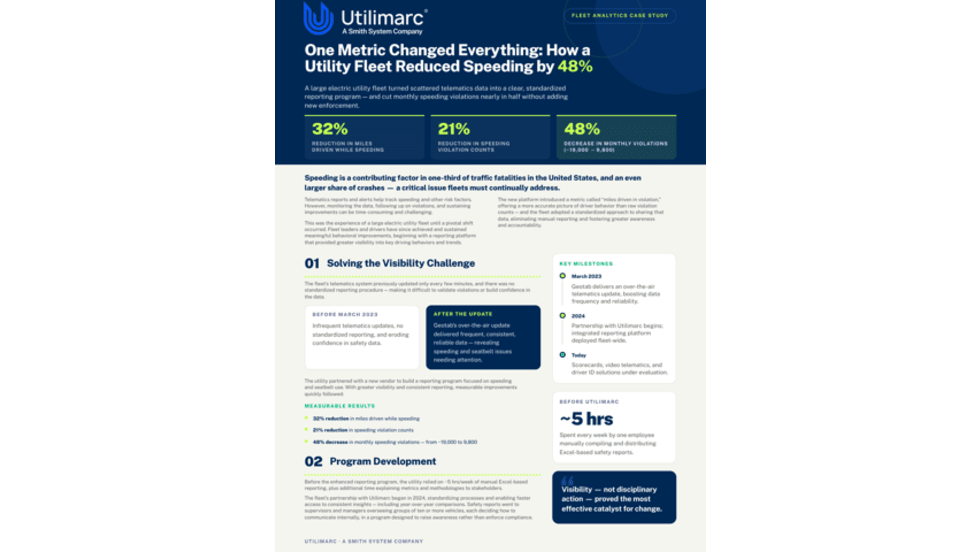
Sponsored•July 17, 2026
How Better Visibility Cut Speeding Violations by 48%
Fleet leaders don't need more data, they need clearer visibility into what the data is saying. This case study explores how one utility replaced speeding-event counts with a single metric — miles driven in violation — to strengthen safety and significantly reduce speeding violations.
Read More →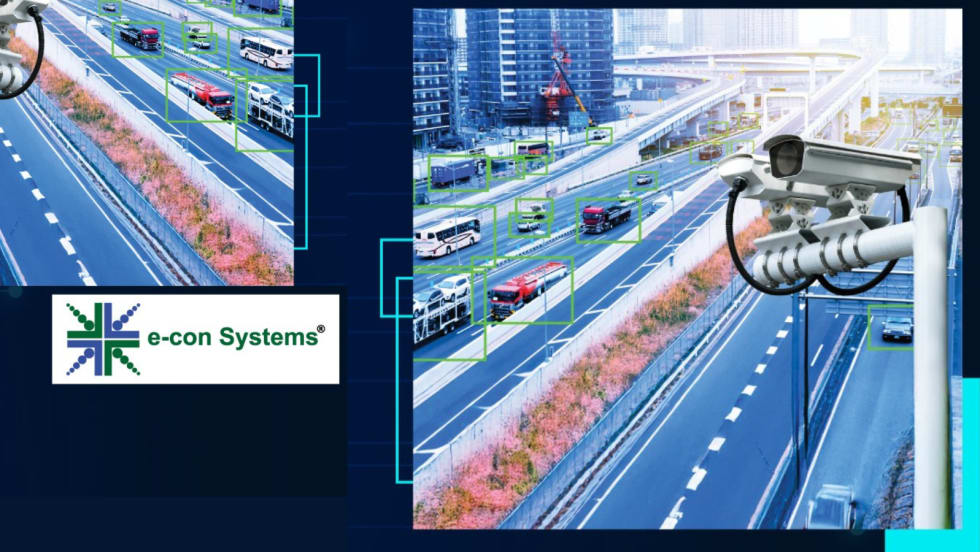
e-con Systems Expands AI Camera Tools for Traffic Monitoring
The systems support license plate recognition, traffic analytics, and video management for transportation agencies.
Read More →
King Township Pilot Links Driver Feedback to Reduced Speeding
How King Township, a best-in-class municipal fleet, reduced speeding by 10.9% and demonstrated a projected 349% ROI by putting safety ownership directly in drivers' hands.
Read More →
Beyond the Fireline: The Critical Role of Public Fleets in Wildfire Response
Behind every wildfire response is a complex network of vehicles, data, and decisions that must work in sync under extreme pressure. Global heating trends require strong fleet coordination and reliable communications to keep crews safe and operations running smoothly.
Read More →
How AI Is Transforming Public Fleet Safety - Part 1
AI-powered safety systems are helping public fleets tackle distracted driving by delivering real-time coaching and measurable behavior change behind the wheel. In part one of our Q&A, Nauto CEO Stefan Heck explains how agencies can improve safety, reduce costs, and navigate implementation challenges with AI-driven technology.
Read More →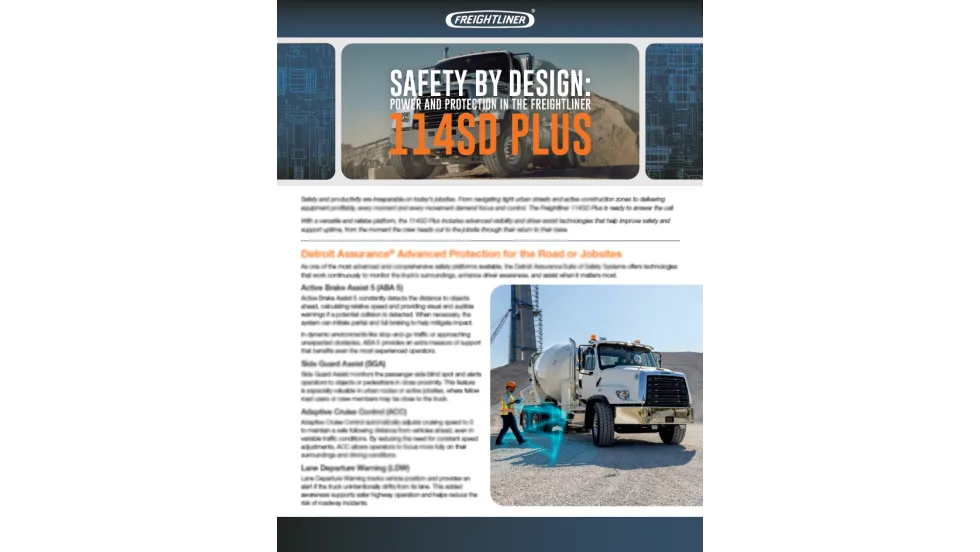
Reducing Risk and Improving Safety in Public Sector Fleets with Advanced Driver-Assist Technology
Public sector fleets face increasing pressure to improve safety, reduce liability, and operate efficiently. See how advanced vehicle technologies are helping agencies protect drivers, the public, and their budgets.
Read More →