




Whitepapers
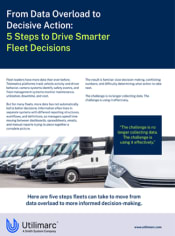
Turn Fleet Data Into Smarter Decisions
Fleet leaders have access to more operational data than ever, but disconnected systems and unclear metrics often slow decision-making instead of improving it. This article outlines five practical steps fleets can take to transform fragmented data into actionable insights that improve planning, safety, utilization, and long-term performance.

The Fleet Efficiency Gap: Where Budgets, Utilization & Risk Collide
Departmentally assigned vehicles often create hidden costs through underutilization, poor visibility, and increased administrative burden. This whitepaper explores how shared motor pool strategies help fleets reduce costs, improve accountability, and optimize vehicle utilization.
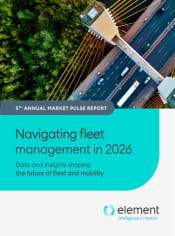
Fleet Costs Are Rising: Here’s How Leaders Are Responding
Fleet leaders are under pressure to reduce costs, adapt to economic uncertainty, and make smarter decisions. See how peers across North America are responding with real data, proven strategies, and forward-looking insights. Download the 2026 Market Pulse Report to benchmark your strategy and uncover where you can gain an edge.

How Public Fleets Earn Public Trust and Operate Under Scrutiny
Taxpayers judge public services by what they can see. Learn how state and local government fleets are using data and transparency to demonstrate reliability, strengthen accountability, and build public confidence in every mile driven.
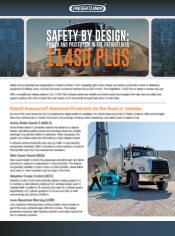
Reducing Risk and Improving Safety in Public Sector Fleets with Advanced Driver-Assist Technology
Public sector fleets face increasing pressure to improve safety, reduce liability, and operate efficiently. See how advanced vehicle technologies are helping agencies protect drivers, the public, and their budgets.
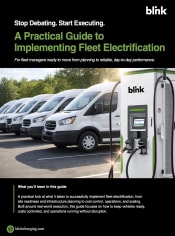
Stop Debating. Start Executing: A Guide for Fleet Managers Who Want To Get Electrification Done
Fleet managers are done with the debate—and focused on execution. Learn how to build a practical electrification strategy that aligns infrastructure, operations, and financing while keeping costs controlled and deployment scalable with support from Blink Charging. Discover how smart planning today positions fleets for long-term performance and ROI.

Reduce Emissions. Reduce Risk. No Charging Infrastructure Required.
Sustainability mandates and tight budgets don't have to be in conflict. Hybrids offer a practical, low-risk path to meaningful emissions reductions without new infrastructure spending or operational disruption. Download the eBook for the data and the roadmap to make the case internally and act with confidence.
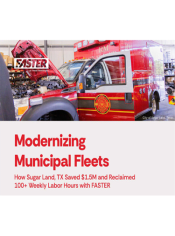
Case Study: How the City of Sugar Land Digitized Its 550-Vehicle Fleet, Saving 100+ Labor Hours Weekly and $1.5M in Budget Gains
See how the City of Sugar Land modernized its 550-vehicle fleet, reclaimed 100+ labor hours weekly, and unlocked $1.5M in budget impact — all with FASTER Asset Solutions.
Government Fleet’s Guide to Fleet Electrification
Unlock the secrets to a successful transition to electric fleets with Bobit Business Media Fleet Group's comprehensive Fleet Electrification Guide!
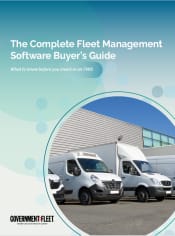
The Complete Fleet Management Software Buyer’s Guide
Purchasing Fleet Management Software (FMIS) is a critical decision requiring a significant investment and can transform your fleet operations. An outdated or non-user-friendly system can lead to missed opportunities for efficiency and cost savings. Whether you’re new to FMIS or looking to upgrade, our comprehensive guide covers the basics, latest advancements, and essential features to consider. Download our guide today to make an informed decision and optimize your fleet management.
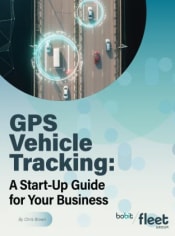
GPS Vehicle Tracking: A Start-Up Guide for Your Business
There are many providers on the market today, and the key is to find one that not only fits your needs but is particularly attentive to your department's needs.
The Fleet Guide to Safety and Risk Management
Download “The Fleet Guide to Safety and Risk Management” to uncover the safety risks you need to know about and get the methods, tools, and policies you need to mitigate them. Additionally, you can explore leading solutions and best practices including continuous driver monitoring.