




Learn More: How Facilities Impact Retention
Creating a Path for Technician Growth
Jayson Ramirez believes in providing a way for his employees to reach their professional goals.

Lexi Tucker・Senior Editor
2 min to read
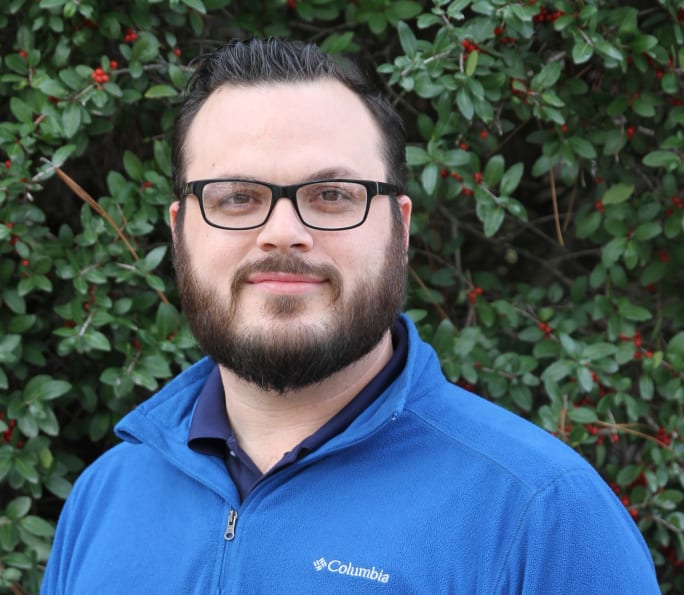
Jayson Ramirez
Obtaining qualified technicians is one of the most pervasive challenges many fleet managers are currently facing. Jayson Ramirez, fleet services manager for the City of Grand Prairie, Texas, has been able to overcome it by restructuring his hiring process.
This reorganization involved creating different job descriptions and levels not previously implemented.
“Before, if I had an open fleet technician position, that's all I could hire for. Now when I post, if somebody is more qualified and they have all the certifications required, I can actually hire them in at a higher pay grade.”
For instance, the fleet technician apprentice position, the lowest on the totem pole, doesn't require any certifications. The next step up is a fleet technician, who is required to obtain four ASE certifications within the first year, as well as a Class B CDL and some other certifications. Other higher positions include senior fleet technician and a master fleet technician..
Ramirez says he’s fully invested in helping techs succeed and acquire the knowledge needed to pass certification tests.
“We have all the study guides, as well as online practice testing, which has helped them significantly. We've tried to give them as many resources as possible. During the interview process, we tell them this is what we have and we'll set you up, but it depends on whether or not you want to progress to that next level.”
If a tech comes back to Ramirez with proof they’ve obtained a next-level certification, he can collaborate with HR to promote them to the next pay grade.
Providing opportunities for professional growth can make the difference between a mechanic who stays and one who is just along for the ride until they find a better paying position.
Subscribe to Our Newsletter
More Operations
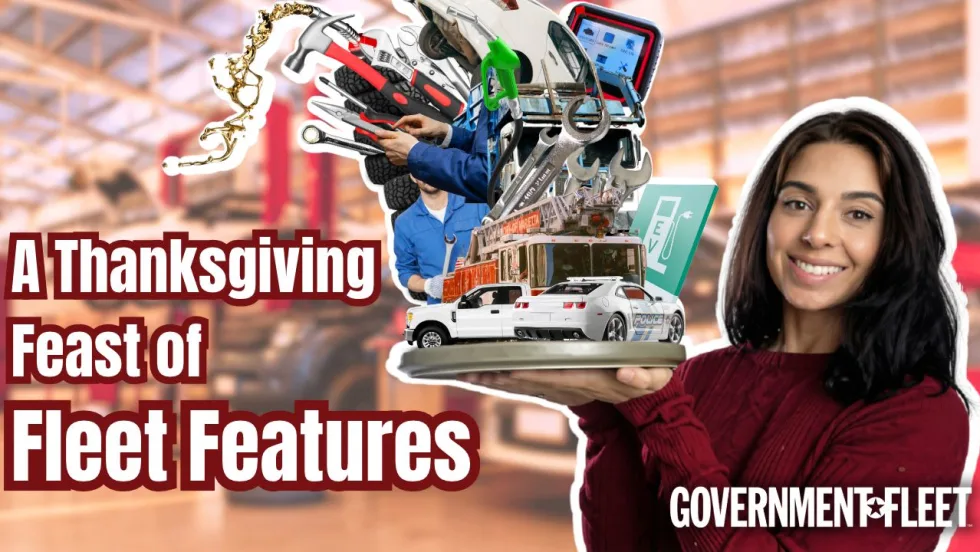
A Thanksgiving Feast of Fleet Features
This Thanksgiving, revisit five Government Fleet stories about how public fleets handled some of the year’s most familiar challenges.
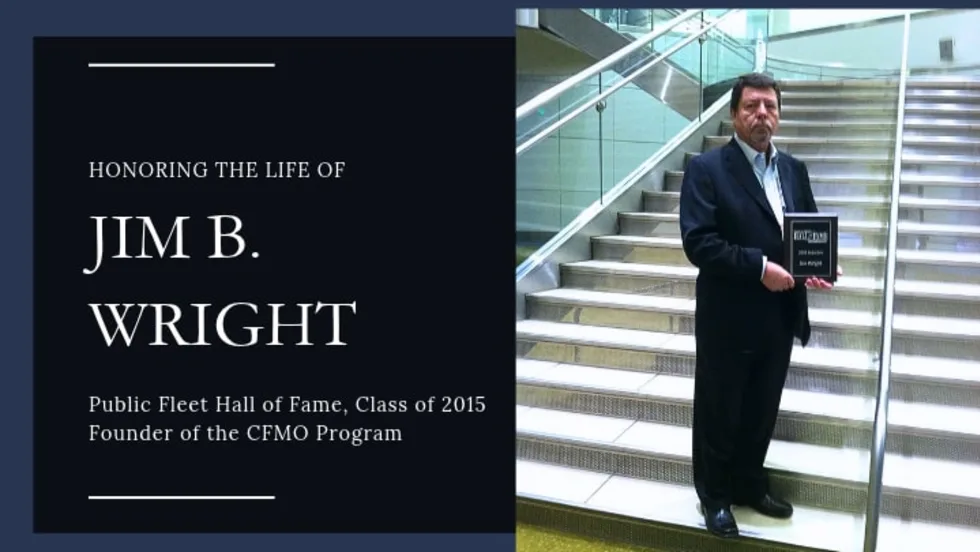
Remembering Jim Wright, Public Fleet Hall of Famer and CFMO Founder
James 'Jim' B. Wright, who founded the Certified Fleet Management Organization (CFMO) program and guided it for many years, died Wednesday evening, Nov. 18.

What Fleet Metrics Can Miss, Plus 2027 Police Vehicle Tests and Awards
What could a healthy-looking fleet metric be hiding? This week’s roundup looks at when to dig deeper, how 2027 patrol vehicles performed in preliminary tests, and how to apply for the Police Fleet Innovators Award.

What Can Disappear After a Fleet Crash?
This week, we look at drone footage, what fleets should document before repairs begin, and share a quick poll.

Does Your Government Fleet Handle Refuse and Waste Operations? Take Our Poll
Government Fleet wants to hear from public-sector fleet professionals about their responsibilities for refuse collection and waste management equipment.

Fleet Replacement Decisions, Waste Fleet Technology and the GFX Deadline
Is your next vehicle the right fit, can your records settle a missed pickup dispute, and what could your fleet teach others at GFX 2027?

Is Delaying Fleet Replacement Really Saving Money?
Could delaying replacement cost your fleet more than it saves? This week’s recap takes a closer look, plus an update on GFX 2027.

What Government Fleets Are Missing About Their True Costs
What are fleet budgets missing, and how can agencies use the data they already collect to make a stronger case for change?

Rethinking Fleet Decisions From the Budget Office to the Shop
This October we looked back at how public fleets are reconsidering familiar processes and using what they learn to make better decisions.

Who Owns the Message on a Refuse Truck?
Refuse trucks can carry public messages into neighborhoods, but keeping those messages current takes planning and clear responsibility.