





Want More? Check out Upgrading Your Fleet Garage for the Future
Spring Sewer Maintenance Tips for 2025
Warm weather is back and as sewer systems work around the clock to keep communities clean, it is important to return the favor.
March 18, 2025
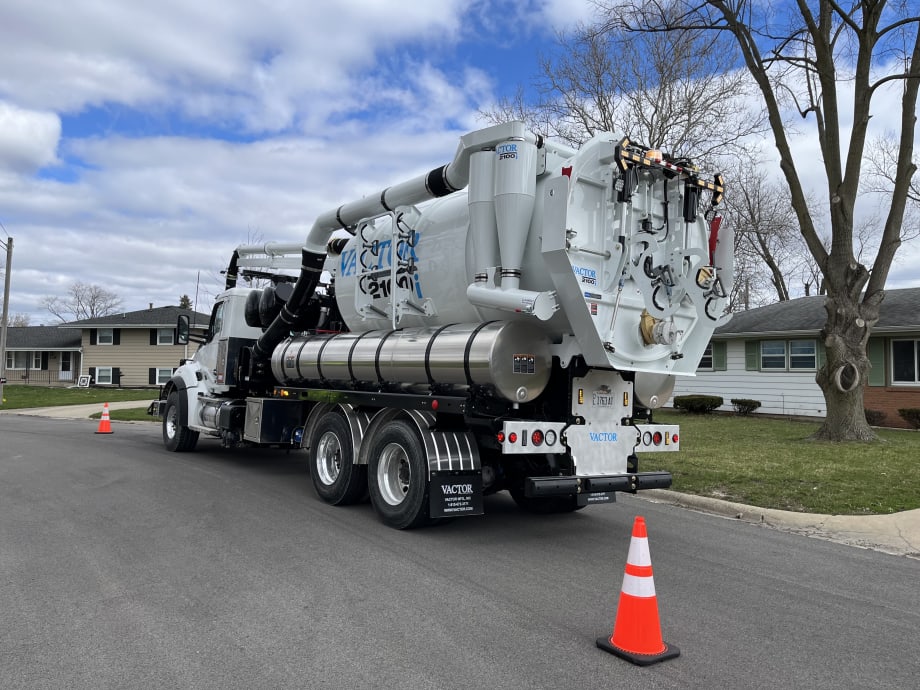
To decrease the risk of sewer blockages, start at the source.
Photo:
2 min to read
Warm weather is back and as sewer systems work around the clock to keep communities clean, it is important to return the favor.
Routine maintenance is mandatory to prevent overflows and blockages as wastewater is transported from homes and buildings to waste treatment facilities. Water jetting and vacuum technologies are commonly used for sewer cleaning due to their ability to break up blockages.
Spring can be particularly hard on sewer systems as additional buildup can contribute to frequent blockages.
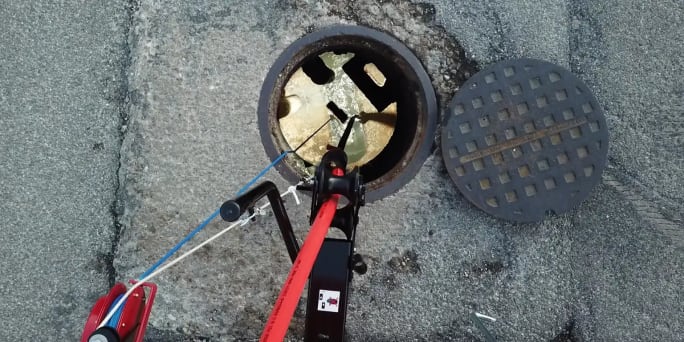
With something such as H.A.L.O (Hands-Free Accessory Light Option), operators have a safe, efficient way to see what is happening in those dark sewers.
To help municipalities stay on top of the seasons, here are a few tips from the team at Vactor for this year's spring cleaning.
Know what lies below. Many factors contribute to blockages in sewer lines. Tree and plant roots can get caught up in the mess causing an increased risk. Before taking on a clogged sewer, operators may want to use a remote camera to identify the “root” of the problem. With something such as H.A.L.O (Hands-Free Accessory Light Option), operators have a safe, efficient way to see what is happening in those dark sewers.
Apply proper pressure. It is important to know the size of the pipe before water jetting to ensure that the appropriate pressure is being used. The wrong flow can leave residents with blown toilets and other damage to their homes.
April showers bring... excess water. While vacuum systems are a common choice for cleaning up excess water, a catch basin cleaning machine might also be a great option in the spring. These machines can suck up blockages like litter and leaves, preventing flooding. They also remove pollutants before returning the stormwater to a natural water source.
Take preventative measures. To decrease the risk of sewer blockages, start at the source. Municipalities should educate residents and business owners about proper waste management and invest in routine street sweeping.
Stay on top of cleaning. As snow melts, trash, sand, leaves, and other debris resurface and make their way into the sewer system. Make sure to treat new blockages as soon as possible to prevent them from growing.
Proper infrastructure maintenance sets the foundation for a clean, safe community. An efficient sewer system is essential to a municipality's function, and the team at Vactor works hard to ensure quality sewer maintenance is possible no matter the weather.
More Operations
Is Keeping Older Fleet Vehicles Really Saving Money?
Is keeping vehicles longer saving money, and what happens when a diagnostic test points to the wrong fix?
Read More →
How Smart Fleet Strategy Can Help Local Government Agencies Do More with Less
Keeping a vehicle longer may ease this year’s budget, but what does it cost the next one? A closer look at fleet decisions can reveal opportunities to reduce spending while protecting essential services.
Read More →
Connect with Government Fleet on LinkedIn
From industry news and fleet management strategies to conversations with peers, Government Fleet's LinkedIn page offers public-sector fleet professionals another way to stay informed and connected.
Read More →
Town of Queen Creek Named Most Successful Fleet Award Winner of Inaugural RTA Fleet Success Awards
Five fleets were honored at RTA Connect 2026 in Chicago for excellence across resource efficiency, intentional culture, risk management, and stakeholder satisfaction.
Read More →
Sponsored•October 14, 2026
A buyer's guide to fleet management software in 2027
Buying fleet management software in 2027 means looking beyond features and price. As fleet operations, technology and expectations evolve, this guide explores what today’s fleet professionals should consider when choosing a system that can deliver value now and adapt to what comes next.
Read More →
Hazard Alerts, Fleet Car Sales Rise and a New Shuttle Concept
Fleet car sales doubled, but the bigger picture tells a different story in this week’s roundup.
Read More →
How St. Johns County Turned Fleet Data Into Better Replacement Decisions
St. Johns County, Florida, had fleet data, but turning it into reliable decision guidance was another matter. Instead of starting over with a new fleet management system, the county connected existing tools and built a scoring system that gives managers an objective look at fleet health.
Read More →
Fleet Forward Conference Introduces One-Day Passes for 2026
New one-day registration lets fleet professionals attend Tuesday, Wednesday, or Thursday, with passes available for $249.
Read More →
ENC Unveils its ZAVIR Medium-Duty Shuttle
Two variants of the concept shuttles were revealed: a low-floor configuration and a high-floor configuration.
Read More →
Could Your Next Fleet Technician Start as an Intern?
What if your next technician hasn’t worked in a fleet shop yet? What fleets are doing to free up time.
Read More →