




Rotary Lift's Shockwave Technology Speeds Up Repairs
Rotary Lift’s Shockwave technology is now available for the first time on a 12,000-lb. capacity lift, making it possible to service pick-ups, work trucks, and vans faster than ever.
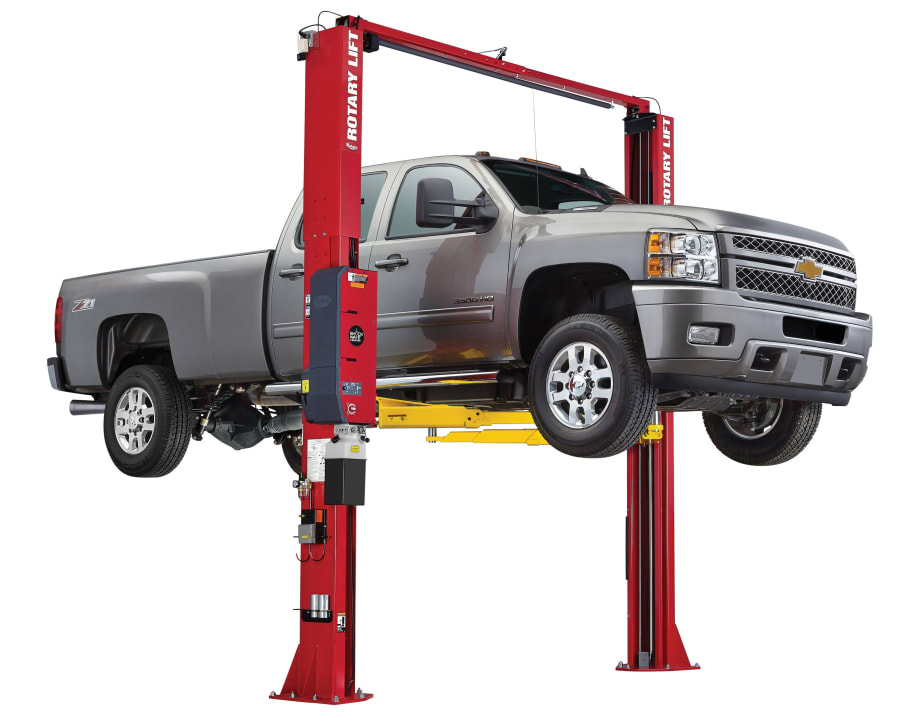
Photo courtesy of Rotary Lift
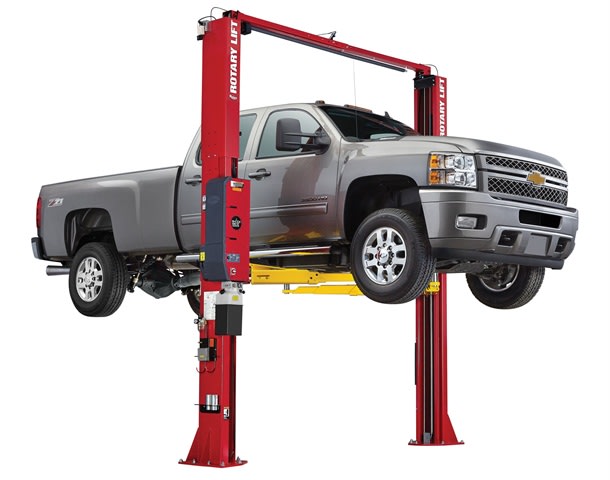
Photo courtesy of Rotary Lift
Rotary Lift’s patent-pending Shockwave technology is now available for the first time on a 12,000-lb. capacity lift, making it possible to service pick-ups, work trucks, and vans faster than ever.
Rotary Lift has expanded its productivity-enhancing Shockwave offerings beyond 10,000-lb. capacity two-post and SmartLift inground lifts to include its popular SPO12 two-post lift.
The SPO12 features a symmetric design that keeps a heavy vehicle’s center of gravity directly between the columns for maximum stability while performing repairs. Equipped with the Shockwave package, the SPO12 can lift a vehicle weighing up to 12,000 lbs. 80 inches in just 25 seconds and lower it in 19 seconds. This is twice as fast as any other lift’s rise and descent, which means technicians can complete more jobs each day using a Shockwave-equipped SPO12.
“Since we introduced Shockwave-equipped lifts at AAIW in 2011, demand has been outstanding,” said David Fischmer, marketing manager for Vehicle Service Group, Rotary Lift’s parent company. “With the popularity of trucks in the United States, our customers have been asking for higher-capacity Shockwave-equipped lifts. The SPO12 is a great choice for servicing a wide variety of vehicles, up to and including some Class 3 trucks. A technician using a Shockwave-equipped SPO12 can get to work at the same time technicians using a standard lift are still standing around waiting for the lift to go up. It is an incredible time saver.”
Shockwave’s speed is made possible in part by its DC power unit. Shockwave-equipped lifts are battery-operated with a built-in charger, which eliminates the need for expensive 220V wiring. The lifts can even be used during power outages, so a vehicle is never left stranded in the air.
Getting the vehicle positioned on the lift is also easier with Shockwave-equipped lifts thanks to the patent-pending Spotline laser spotting guide. Spotline projects a green laser line into the middle of the bay. To center a vehicle, the technician simply lines up the middle of the hood or dash with the laser line and drives onto the lift.
The new Shockwave-equipped SPO12 comes with adjustable frame-contact adapters for use with trucks and other body-on-frame vehicles. The SPO12 is nearly two feet taller than the standard 10,000 lb. capacity SPO10 two-post lift to provide clearance for utility bodies, roof racks and other overhead equipment.
More Equipment
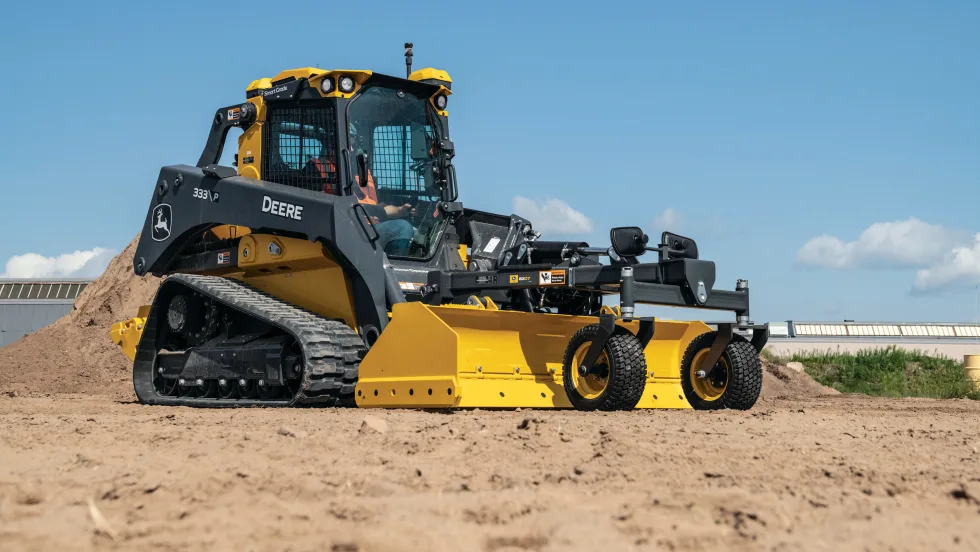
John Deere Adds SmartGrade Box Blades, Fire Suppression Option
John Deere is expanding the capabilities of its compact track loaders with new grading attachments and an equipment protection option. The additions include two SmartGrade box blades for the 333 and 335 P-Tier models and an integrated fire suppression system for large-frame machines.
Read More →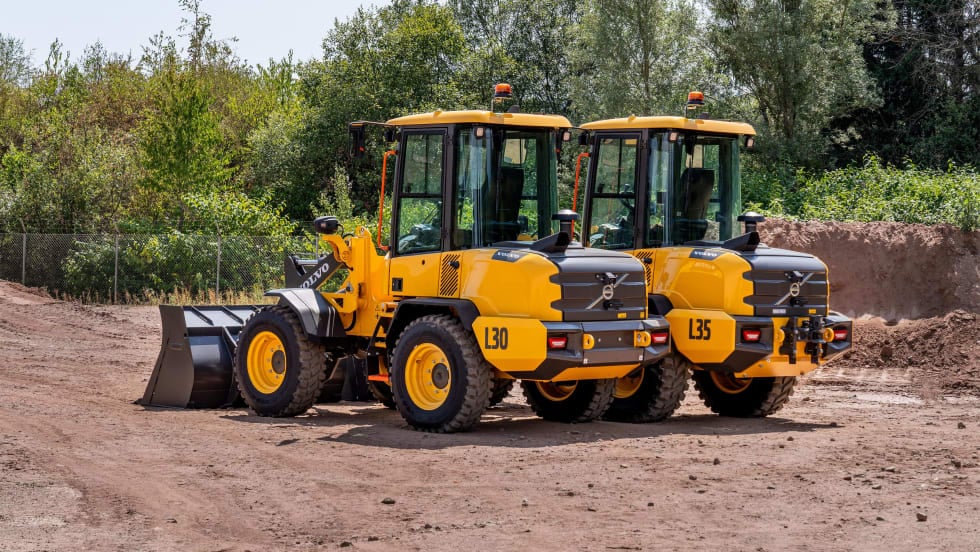
Volvo Updates L30 and L35 Compact Wheel Loaders With Redesigned Rear Frame
The updates aim to provide customers with more flexibility to use the machines for different jobs while improving service access and everyday operation.
Read More →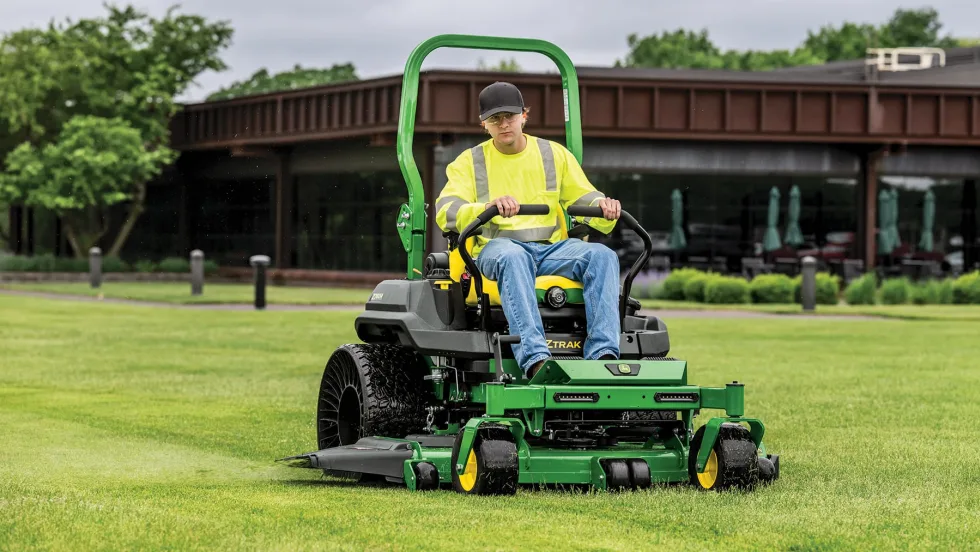
John Deere Updates Z700 ZTrak Commercial Mower Lineup
Public agencies responsible for maintaining large properties have several updated mower options from John Deere. The refreshed Z700 ZTrak lineup adds upgraded engines, transmissions, mower decks, and operator features across four models.
Read More →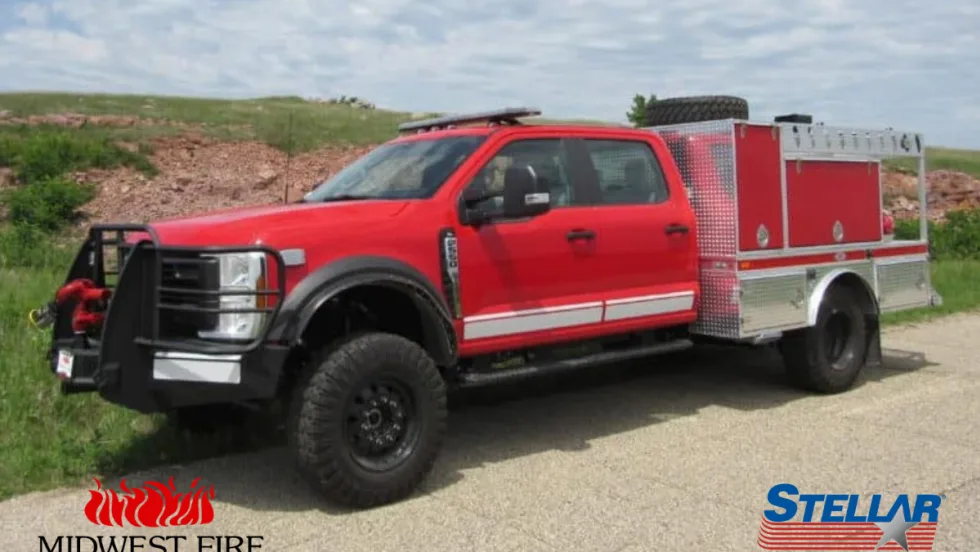
Stellar Industries Acquires Midwest Fire
The acquisition brings a manufacturer of custom fire apparatus under Stellar Industries, expanding the work-truck manufacturer into the fire and emergency response market. Midwest Fire will continue operating from its existing Minnesota headquarters as a distinct company.
Read More →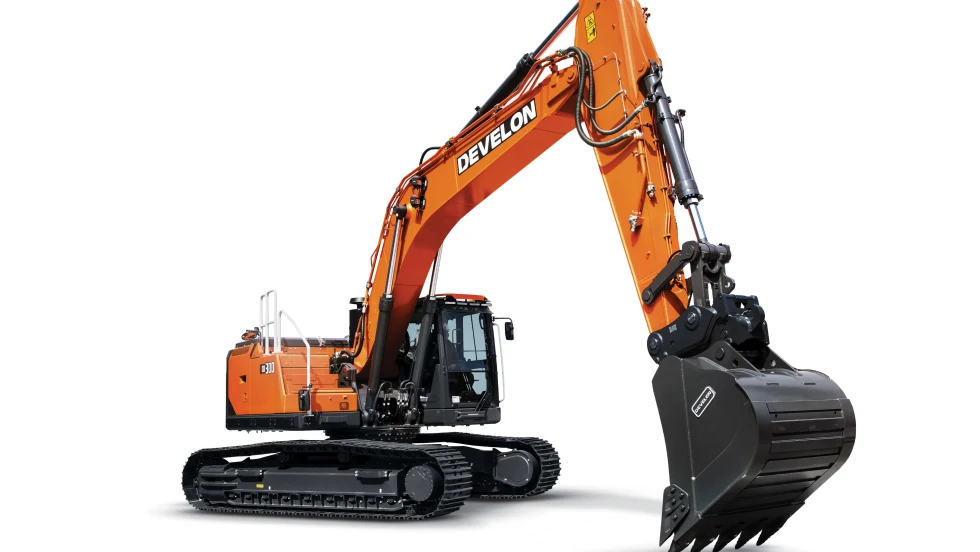
DEVELON Adds DX300LC-9 Excavator to -9 Series
For public works operations handling infrastructure, road, and utility projects, DEVELON has added a new 33-metric-ton excavator to its equipment lineup. The DX300LC-9 combines updated controls with technology designed to address operator safety, equipment monitoring, and machine operation.
Read More →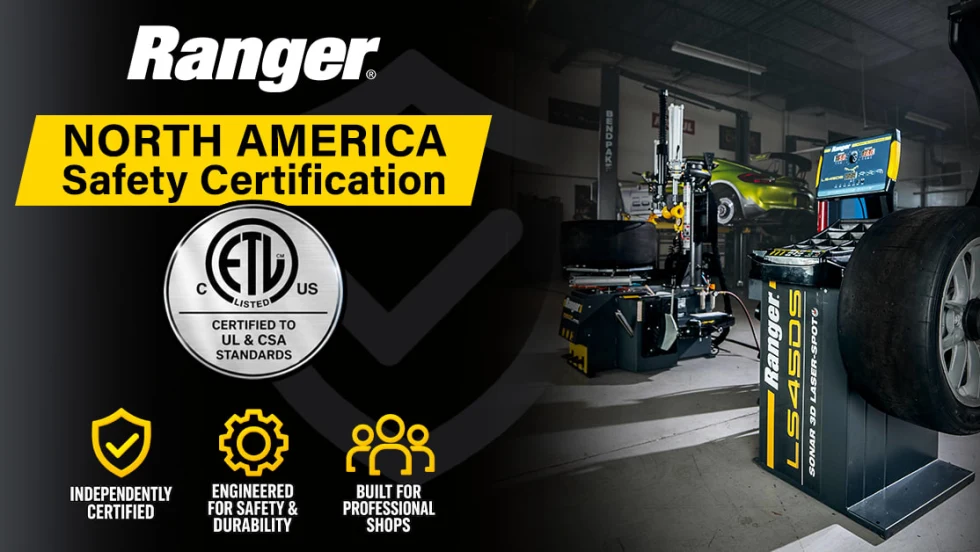
BendPak Ranger Wheel Service Equipment Receives Safety Certification
Equipment used every day in fleet maintenance shops comes with its own set of safety considerations. Following an 18-month redesign and testing process, BendPak's Ranger tire changers and wheel balancers have received certification to applicable U.S. and Canadian safety standards.
Read More →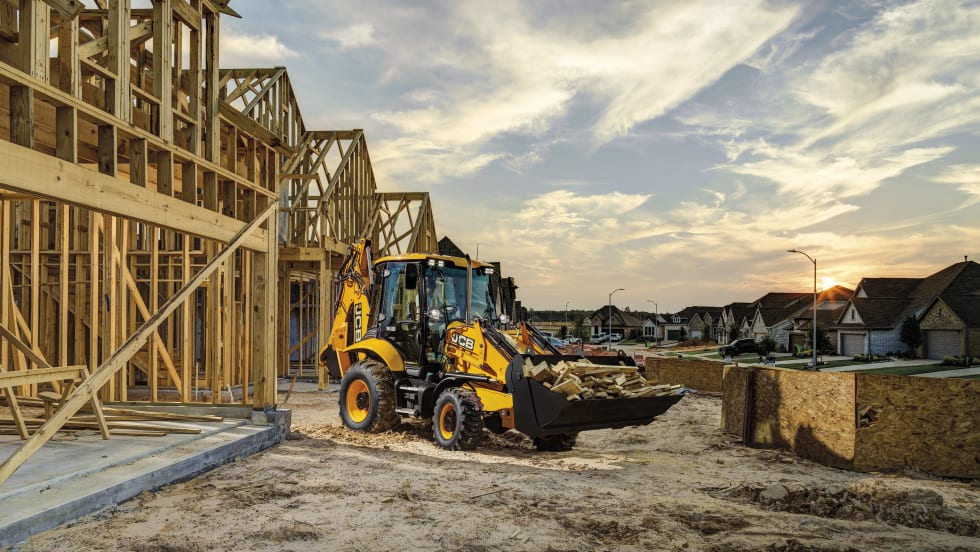
JCB Introduces Dual Drive System for Backhoe Loaders
Public works operators traditionally switch positions and controls each time they reposition a backhoe during excavation. JCB's new Dual Drive system is designed to allow operators to move the machine while remaining at the excavator controls.
Read More →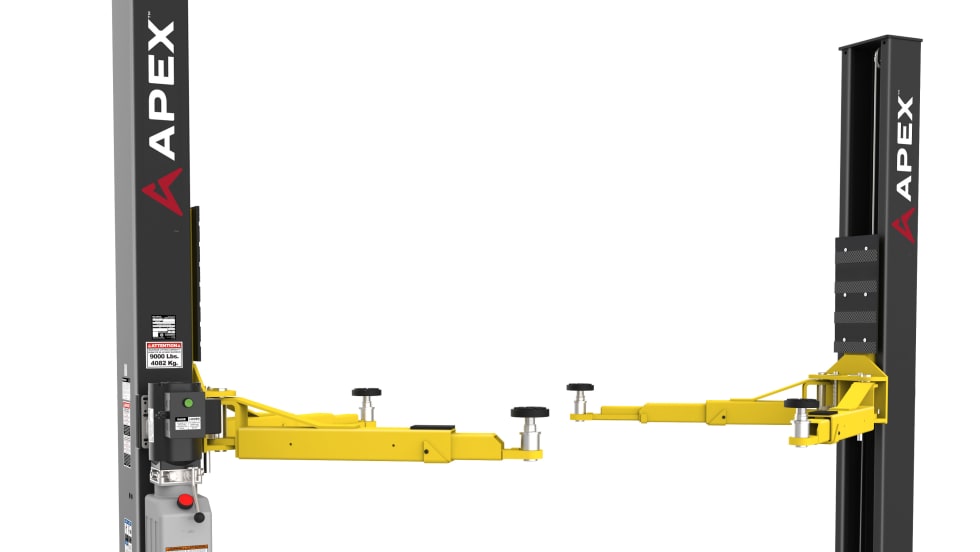
APEX by BendPak Launches AL9LC Two-Post Lift
The new low-ceiling floorplate car lift is designed to maximize overhead clearance for fleets.
Read More →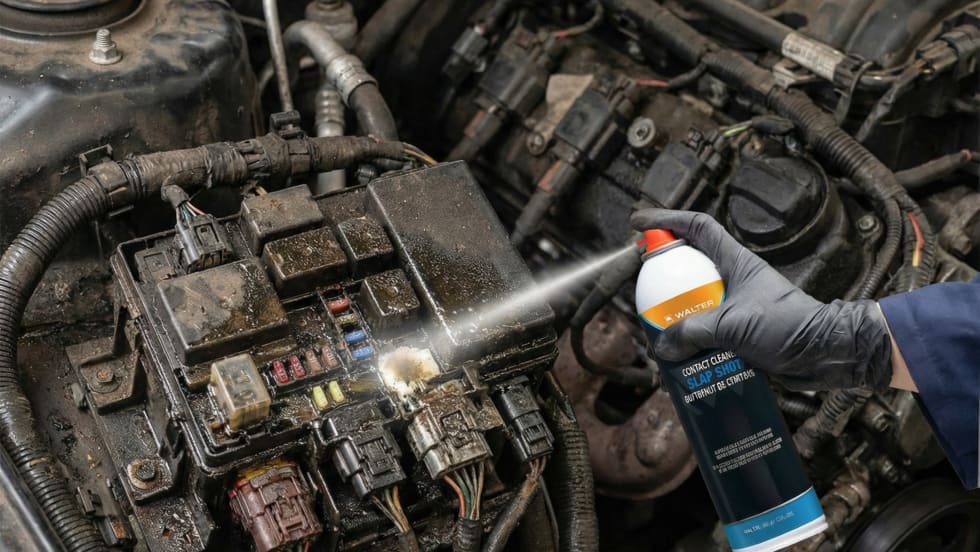
New Slap Shot Contact Cleaner: Heavy-Duty Cleaning Power Without the Residue
Slap Shot Contact Cleaner combines fast contaminant removal, rapid evaporation, moisture displacement, no-wipe cleaning, non-conductive performance, and residue-free cleaning into a single solution.
Read More →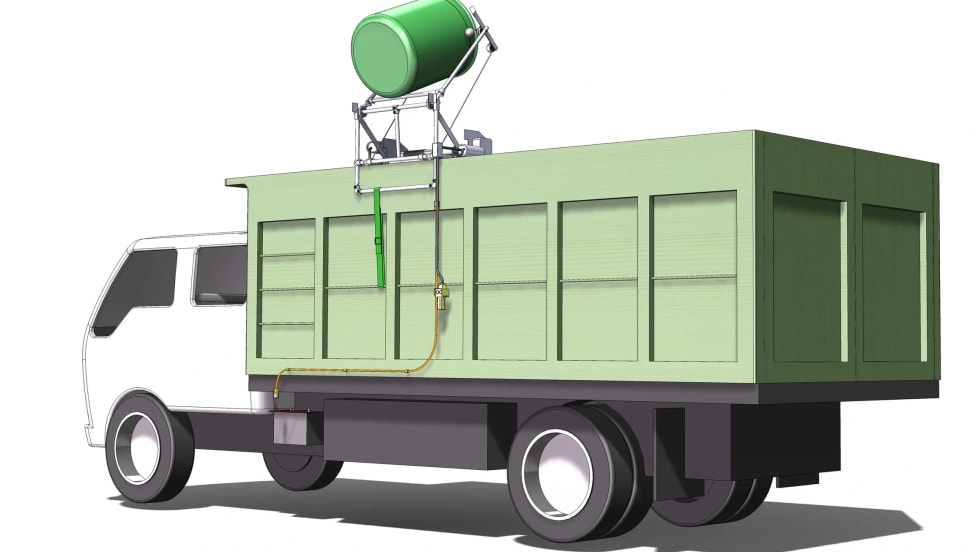
New Powered Carry Barrel Lift Helps Crews Dump Heavy Barrels Into Trucks With Less Manual Lifting
The Carry Barrel Lift is a new truck-mounted attachment designed to help landscape and municipal crews lift and dump heavy 60-gallon barrels more efficiently while reducing manual strain.
Read More →