




License Plate Scanners Help Recover Stolen Cars, But Raise Concerns
PHOENIX – Officer David Callister was about to drive past the 1991 Nissan sedan when an alert sounded inside his cruiser and an image of a license plate flashed on his laptop. It was a signal that the vehicle was stolen.
PHOENIX – Officer David Callister was about to drive past the 1991 Nissan sedan when an alert sounded inside his cruiser and an image of a license plate flashed on his laptop. It was a signal that the vehicle was stolen, according to the Web site http://www.kvoa.com.
The alert came from a $20,000 device that uses small infrared cameras mounted on the police car to automatically scan license plates and match the numbers against databases of stolen vehicles and people wanted for crimes.
An estimated 400 of the nation’s 18,000 police agencies own at least one license plate scanner, and police officials expect the readers to become more common in the coming years as the price of the devices falls, the report said. The readers let officers scan about 75 times more plates during an eight-hour shift than the traditional method: writing down numbers and running them past a dispatcher.
Even though scanner-equipped cars represent a small part of a given agency’s fleet, the devices are helping police recover stolen cars, find people wanted on criminal warrants, and respond to urgent situations.
In Central and Southern Arizona, a dozen Department of Public Safety vehicles with scanners are trying to catch stolen cars headed to Mexico and disrupt smugglers using ripped-off vehicles to move drugs and illegal immigrants.
The California Highway Patrol is trying to combat the state’s high auto theft rate by scattering its 16 vehicles with scanners on urban freeways and rural highways and putting a handful of stationary readers on the ground. In Long Beach, Calif., where seven vehicles with scanners were used to catch car thieves, officials were testing a plan to link a database of parking ticket scofflaws to the scanners.
After the two to four cameras mounted on the light bars or bumpers of cars spot a license plate, the numbers are fed to a computer processor in the trunk where the information is matched against databases. A burst of license plate images appear on the laptop when an officer is driving freeways and streets, beeping each time a car is scanned. Then, the officer must verify, through a call to a dispatcher, that the numbers captured by the device match the information in the database.
The prospect of catching more suspected felons prompted police in Springdale, Ohio, to get a card reader for one of their 13 cruisers, according to www.kvoa.com.
More Safety

New York City Expands Safety Technologies Across Municipal Fleet
Executive Order 19 moves intelligent speed assistance and pedestrian alerts from pilot programs toward standard fleet equipment, offering other public fleets a look at how safety technology can be tested, measured, and scaled.
Read More →
Hidden in Plain Sight: Fleet Compliance Risks
Fleet compliance isn't just about having policies — it's about consistently enforcing them. This practical guide reveals six hidden compliance risks common in public sector and shared fleet operations and outlines proven strategies to improve visibility, accountability, and audit readiness.
Read More →
5 Days Left to Submit Your 2026 Fleet Safety Award Nomination
Know a government fleet, safety, or risk manager who deserves recognition for making fleet operations safer? Nominations are open through Aug. 15.
Read More →
How the First 24 Hours Can Shape a Fleet Crash Response
How a strong accident response process helps government fleets move from the initial report to recovery while building a clearer record for what needs to change next.
Read More →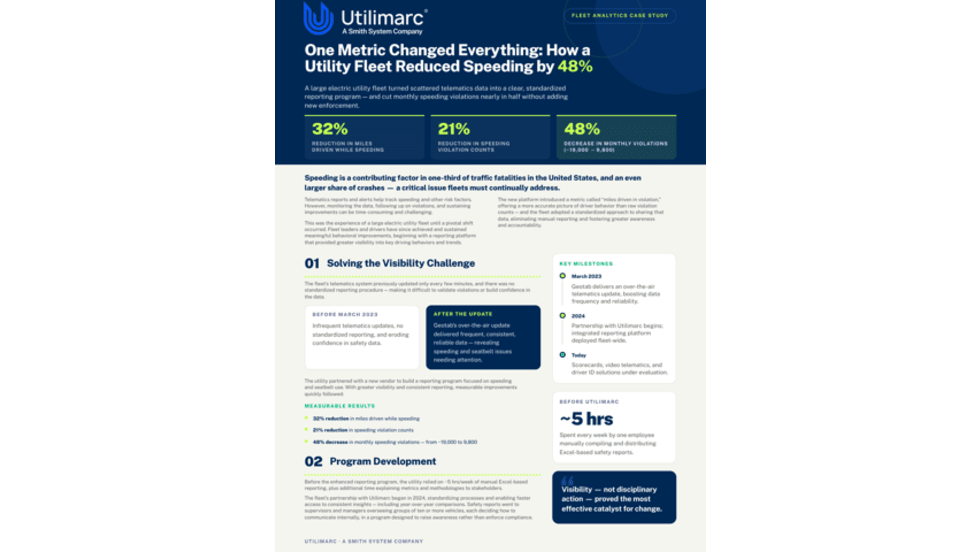
How Better Visibility Cut Speeding Violations by 48%
Fleet leaders don't need more data, they need clearer visibility into what the data is saying. This case study explores how one utility replaced speeding-event counts with a single metric — miles driven in violation — to strengthen safety and significantly reduce speeding violations.
Read More →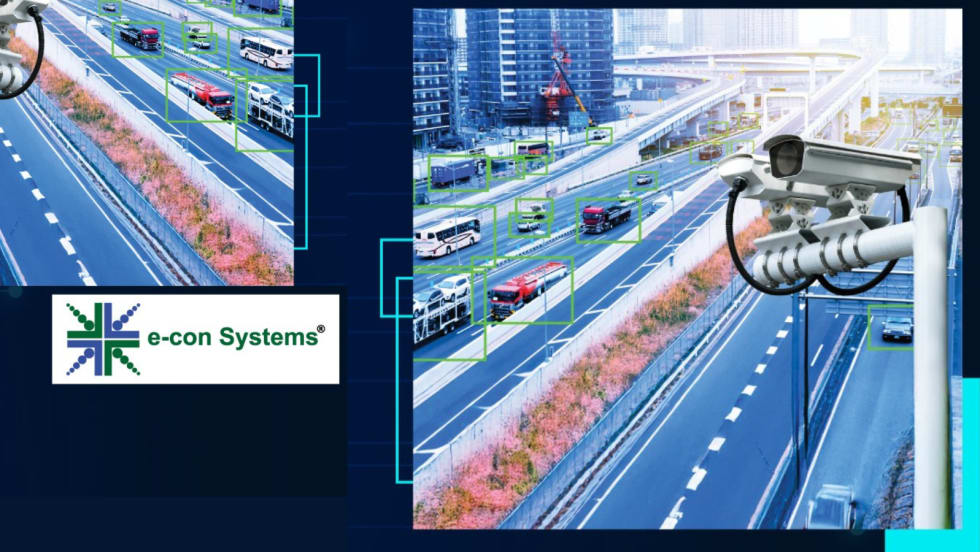
e-con Systems Expands AI Camera Tools for Traffic Monitoring
The systems support license plate recognition, traffic analytics, and video management for transportation agencies.
Read More →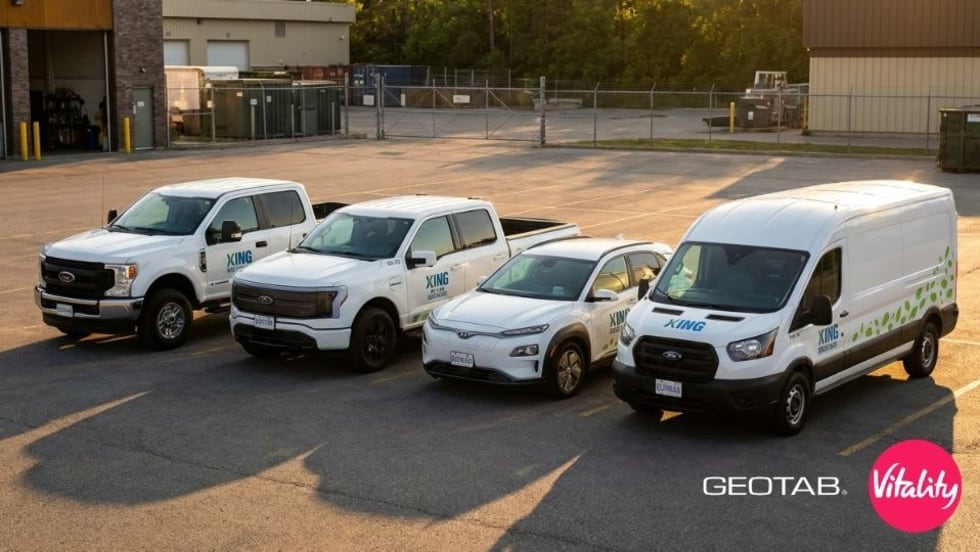
King Township Pilot Links Driver Feedback to Reduced Speeding
How King Township, a best-in-class municipal fleet, reduced speeding by 10.9% and demonstrated a projected 349% ROI by putting safety ownership directly in drivers' hands.
Read More →
Beyond the Fireline: The Critical Role of Public Fleets in Wildfire Response
Behind every wildfire response is a complex network of vehicles, data, and decisions that must work in sync under extreme pressure. Global heating trends require strong fleet coordination and reliable communications to keep crews safe and operations running smoothly.
Read More →
How AI Is Transforming Public Fleet Safety - Part 1
AI-powered safety systems are helping public fleets tackle distracted driving by delivering real-time coaching and measurable behavior change behind the wheel. In part one of our Q&A, Nauto CEO Stefan Heck explains how agencies can improve safety, reduce costs, and navigate implementation challenges with AI-driven technology.
Read More →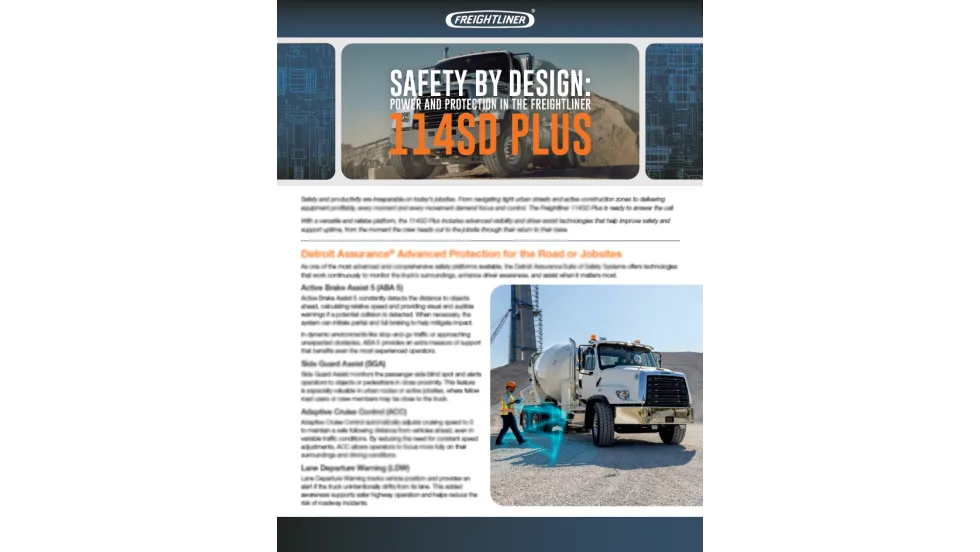
Reducing Risk and Improving Safety in Public Sector Fleets with Advanced Driver-Assist Technology
Public sector fleets face increasing pressure to improve safety, reduce liability, and operate efficiently. See how advanced vehicle technologies are helping agencies protect drivers, the public, and their budgets.
Read More →