




GFX Exclusive: Craft an Effective Succession Plan with Steve Saltzgiver
Steve Saltzgiver, CAFS, fleet consultant and 2017 Legendary Lifetime Achievement Award winner, will offer guidance on creating an effective succession plan at the 2018 Government Fleet Expo & Conference.
February 5, 2018
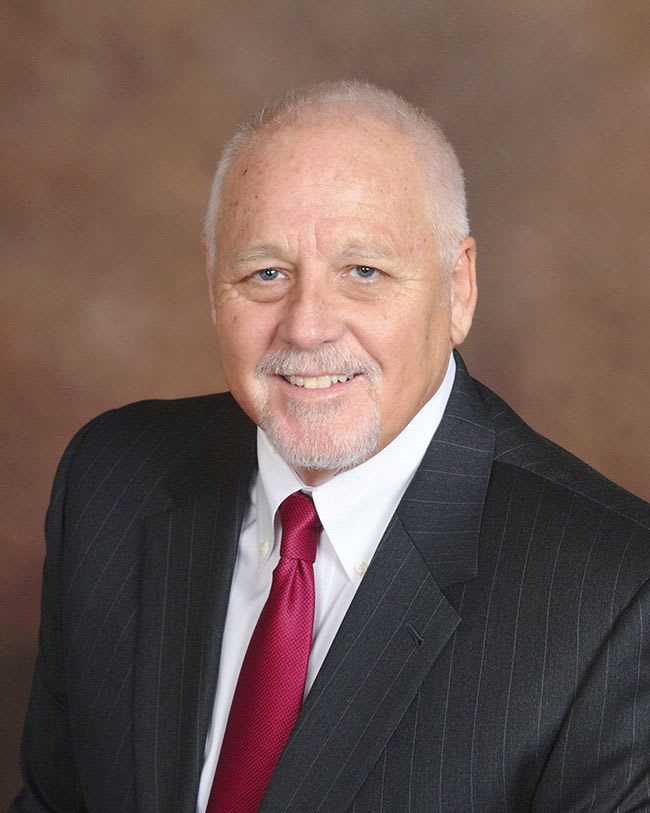
Steve Saltzgiver
3 min to read
Steve Saltzgiver, CAFS, fleet consultant with Mercury Associates, will lead a session about succession planning during the 2018 Government Fleet Expo & Conference (GFX), which takes place June 4-7 in San Diego, Calif. The event includes a ride and drive, networking opportunities, an exhibit hall, and more than 20 hours of educational sessions.
In 2017, Saltzgiver was inducted into the Public Fleet Hall of Fame and awarded the Legendary Lifetime Achievement Award at GFX. We talked to Saltzgiver about planning, preventing "brain drain," and why succession planning matters. Here's a preview:
Q: Tell us about yourself.
A: I have more than 40 years of experience, successfully transitioning from wrench-turner to manager of a $1.5 billion, 50,000-unit fleet. I've managed fleets for a local municipality, two states, and two Fortune 500 operations. I'm the recepient of multiple industry awards, including the 2000 Honda Motors Environmental Leadership Award and 2015 Sustainable Fleet Award, and I hold Business Management and Masters of Organizational Management degrees from the University of Phoenix. (Learn more about Saltzgiver here.)
Q: What is brain drain?
A: Brain drain is the systematic loss of institutional knowledge that an organization forfeits as baby boomers (and others) exit the workplace when the organization does not have a good succession or mentor program.
Q: What’s a misconception about succession planning?
A: The biggest misconception is that succession planning costs too much for the incumbent employee to take the time to train a replacement. The exact opposite is true, as big companies often spend an average of $15,000 or more to onboard a new employee plus the loss of productivity as the employee is forced to learn a new job with the benefit of the exiting employee’s tutelage. Designing an effective succession plan can save an organization money by improving productivity, reducing mistakes, and boosting morale.
Q: What should we expect to learn at this educational session?
A: As more and more baby boomers retire and exit organizations, it’s becoming increasingly paramount for organizations to capture institutional knowledge before they experience brain drain. Failing to encapsulate knowledge will hamper employee replacement transition, drive up costs, and impact customer service delivery. Explore issues and real-life strategies that could work for your organization to attract the right talent and avoid the pitfalls that could be putting your company at a disadvantage.
Q: I’m not leaving anytime soon. Why does succession matter?
A: Organizations and employees can’t always predict when someone might leave. The workplace is fluid and, in a good economy, people choose to leave without much notice to employers. Additionally, unpredictable events like fatalities, accidents, maternity leave, retirements, and other life events happen often without notice.
Catch Saltzgiver at GFX, which takes place June 4-7, 2018 in San Diego, Calif. "Prevent Brain Drain: How to Create an Effective Succession Plan" takes place Tuesday, June 5 at 4:25 p.m. Learn more about GFX and check out the schedule here.
More Operations

How St. Johns County Turned Fleet Data Into Better Replacement Decisions
St. Johns County, Florida, had fleet data, but turning it into reliable decision guidance was another matter. Instead of starting over with a new fleet management system, the county connected existing tools and built a scoring system that gives managers an objective look at fleet health.
Read More →
Fleet Forward Conference Introduces One-Day Passes for 2026
New one-day registration lets fleet professionals attend Tuesday, Wednesday, or Thursday, with passes available for $249.
Read More →
ENC Unveils its ZAVIR Medium-Duty Shuttle
Two variants of the concept shuttles were revealed: a low-floor configuration and a high-floor configuration.
Read More →
Could Your Next Fleet Technician Start as an Intern?
What if your next technician hasn’t worked in a fleet shop yet? What fleets are doing to free up time.
Read More →
How Phoenix Is Building Its Next Generation of Fleet Technicians
With more than 8,000 vehicles and pieces of equipment to maintain, the City of Phoenix could not afford to wait for fully trained technicians to walk through the door. Instead, they revamped their entire workforce strategy and showed how public fleets can create their own talent pipeline while preparing existing employees for increasingly complex vehicles.
Read More →
What’s Slowing Your Fleet Down?
Could a change in how work gets done help your fleet return vehicles to service sooner?
Read More →
Can Public Fleets Trust the Data Driving Their Decisions?
Public fleets have more data than ever, but inconsistent records and missing information can still undermine maintenance, replacement, and cost decisions.
Read More →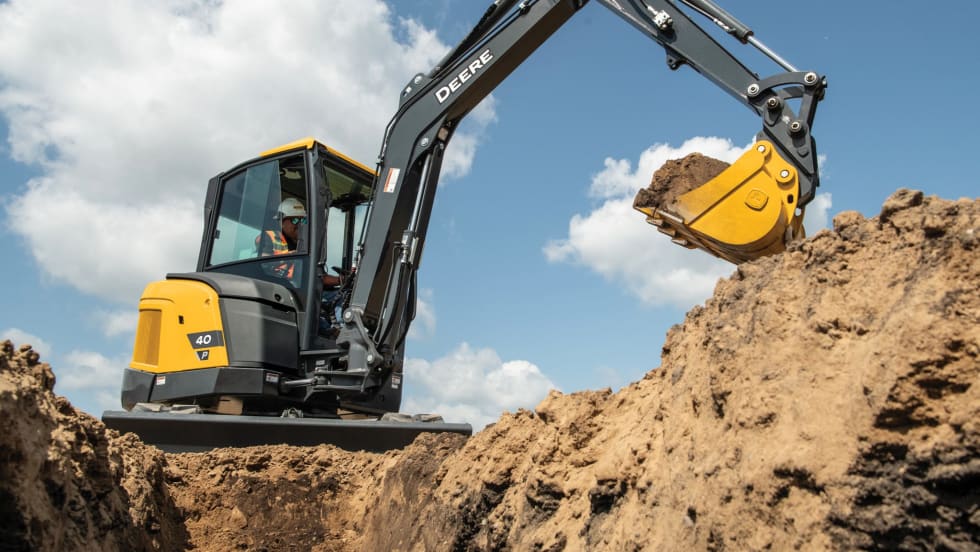
John Deere Introduces 40 P-Tier Compact Excavator
John Deere is adding a compact excavator designed for crews that need to move equipment between jobsites and handle multiple types of work with one machine. The 40 P-Tier weighs less than 10,000 pounds and offers configurable hydraulics, attachment options, and connected fleet-management capabilities.
Read More →
How Leading Fleets Improve and Why Business Plans Matter
This week, we look at what past Leading Fleet winners can teach us about making progress, plus how to build a business plan your fleet will actually use.
Read More →
Nominate a Fleet Leader for the 2027 Public Fleet Hall of Fame
Do you know a fleet leader who has made a lasting impact on the industry? Nominate this fleet professional for the 2027 Public Fleet Hall of Fame.
Read More →