





Want More? Check out The Network Behind Better Government Fleet Decisions
Ford, BlackRock, Google and Carhartt Form Skilled Trades Workforce Alliance
The alliance plans to develop a stronger pipeline between training programs and available jobs while examining workforce efforts already underway across the country.
July 21, 2026
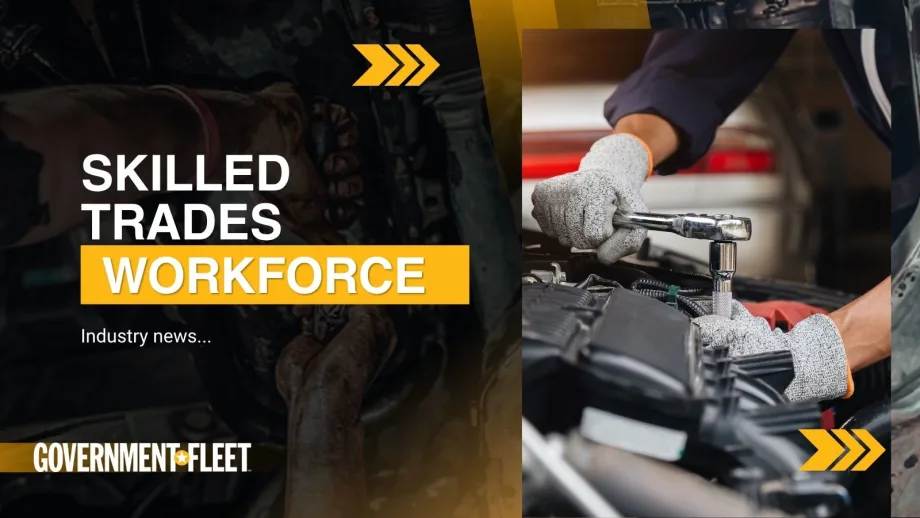
The alliance plans to develop a stronger pipeline between training programs and available jobs while examining workforce efforts already underway across the country.
Credit:
Government Fleet
1 min to read
Ford has joined BlackRock, Google, and Carhartt to establish the Alliance for America’s Skilled Trades, a workforce initiative focused on expanding access to skilled-trade careers.
The alliance plans to develop a stronger pipeline between training programs and available jobs while examining workforce efforts already underway across the country, according to a press release. The founding companies also intend to publish a Skilled Trades Report and recruit additional organizations to participate.
Bringing Together Several Existing Workforce Programs
BlackRock recently launched its Future Builders initiative, which plans to invest $100 million over five years to support the training and placement of 50,000 skilled-trade workers.
Google has supported training for occupations such as electrical, plumbing, and welding work, while Carhartt operates its Join the Trades workforce platform.
Ford said its involvement builds on the automaker’s broader workforce development work. The company recently partnered with Bloomberg Philanthropies to expand and update the automotive technology training program within Detroit Public Schools.
Ford has also been working with Carhartt on technician recruitment and training. The automaker previously reported approximately 5,000 open technician positions across its dealership network, underscoring the hiring challenge facing the automotive service sector.
According to Fortune, the alliance is beginning with training programs in 30 states and plans to expand the effort nationwide.
More Operations
Is Delaying Fleet Replacement Really Saving Money?
Could delaying replacement cost your fleet more than it saves? This week’s recap takes a closer look, plus an update on GFX 2027.
Read More →
What Government Fleets Are Missing About Their True Costs
What are fleet budgets missing, and how can agencies use the data they already collect to make a stronger case for change?
Read More →
Rethinking Fleet Decisions From the Budget Office to the Shop
This October we looked back at how public fleets are reconsidering familiar processes and using what they learn to make better decisions.
Read More →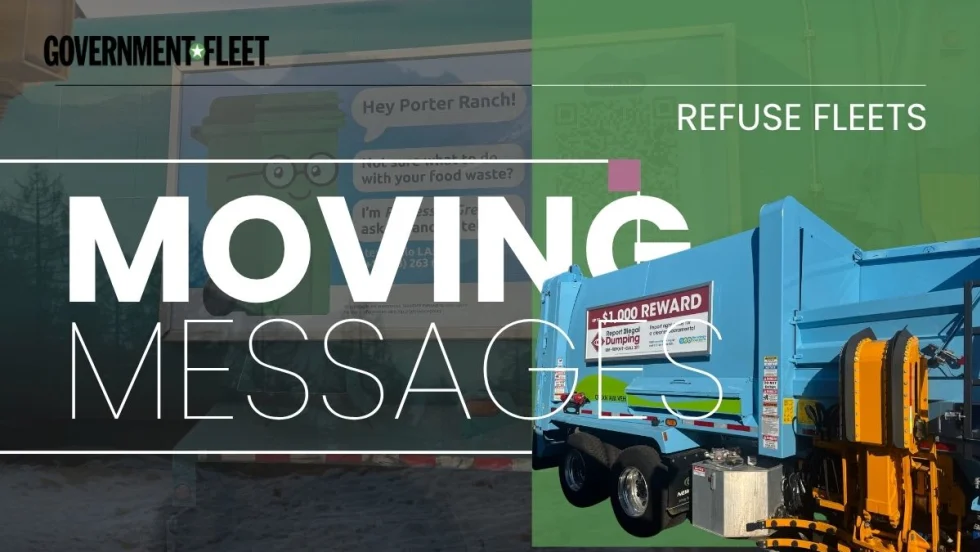
Who Owns the Message on a Refuse Truck?
Refuse trucks can carry public messages into neighborhoods, but keeping those messages current takes planning and clear responsibility.
Read More →
Who Deserves Fleet Recognition and What Could You Teach at GFX?
Who helped shape your fleet career, and what have you learned that could help someone else?
Read More →
What’s Haunting Public Sector Fleets?
Public sector fleet challenges rarely happen in isolation, and addressing one often means understanding how it connects to another.
Read More →
Is Keeping Older Fleet Vehicles Really Saving Money?
Is keeping vehicles longer saving money, and what happens when a diagnostic test points to the wrong fix?
Read More →
How Smart Fleet Strategy Can Help Local Government Agencies Do More with Less
Keeping a vehicle longer may ease this year’s budget, but what does it cost the next one? A closer look at fleet decisions can reveal opportunities to reduce spending while protecting essential services.
Read More →
Connect with Government Fleet on LinkedIn
From industry news and fleet management strategies to conversations with peers, Government Fleet's LinkedIn page offers public-sector fleet professionals another way to stay informed and connected.
Read More →
Town of Queen Creek Named Most Successful Fleet Award Winner of Inaugural RTA Fleet Success Awards
Five fleets were honored at RTA Connect 2026 in Chicago for excellence across resource efficiency, intentional culture, risk management, and stakeholder satisfaction.
Read More →