




Ford Supplies Trucks for U.S. Border Patrol's ‘Operation Jump Start'
DEARBORN, MI – When U.S. Border Patrol agents go to work every day, they're often behind the wheel of a Ford F-Series Super Duty truck.
DEARBORN, MI – When U.S. Border Patrol agents go to work every day, they’re often behind the wheel of a Ford F-Series Super Duty truck. With the government-mandated escalation of Border Patrol agents over the next two years, Ford looks to increase its fleet presence on the front lines of national security by offering its quietest F-Series Super Duty ever with a new 6.4L Power Stroke Diesel engine.
The demand for such a vehicle is expected to climb over the next two years as the U.S. Customs and Border Protection (CBP) division of the Department of Homeland Security adds 6,000 border patrol agents to its current staff of 12,200 by the end of 2008 as part of “Operation Jump Start.” CBP agents patrol 7,000 miles of border shared with Canada and Mexico, as well as 2,000 miles of coastal waters surrounding the Florida peninsula and off the coast of Southern California.
The CBP already operates 9,300 border patrol vehicles and plans to add 4,000 trucks and SUVs with the increase in manpower. Roughly one-third of the vehicles currently operated by the U.S. Border Patrol — just one of numerous government agencies operating Ford fleet vehicles — are Fords, and orders for more are coming in just as the 2008 F-Series Super Duty hits the market.
Whether it’s a production Ford F-250 or a specially modified Ford F-350 the CBP’s preference, particularly in the South, is diesel — and the quieter the better for border surveillance purposes. The U.S. Border Patrol subjects its vehicles to some of the harshest off-road terrain and temperature extremes in the states. They rack up between 150,000 and 200,000 miles per vehicle with almost weekly oil changes.
Most of the Border Patrol’s vehicles are heavily modified before they go into service. In 2000, Ford supplied the Border Patrol with a half-dozen F-350 Super Duty pickups modified with aftermarket components for severe off-road capability.
In addition to a heavy-duty suspension system, the F-350s are modified with a climate-controlled detention box mounted on the truck bed. Rebound straps that protect the nine-position adjustable shocks from fully extending in airborne situations and a kit that allows for 29-inch river fording capability are among other safety modifications. The vehicles also are equipped with law enforcement surveillance and military-type radio equipment.
More Operations
What Can Disappear After a Fleet Crash?
This week, we look at drone footage, what fleets should document before repairs begin, and share a quick poll.
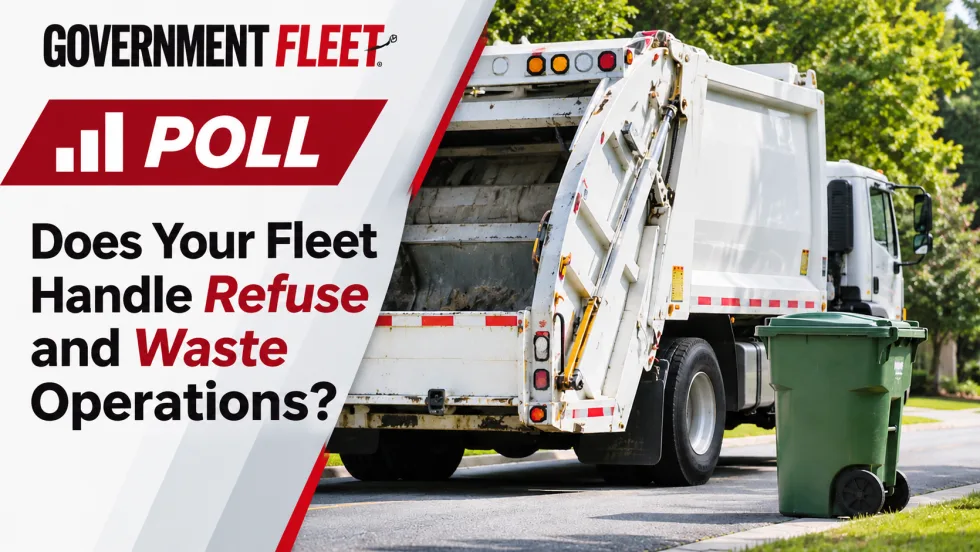
Does Your Government Fleet Handle Refuse and Waste Operations? Take Our Poll
Government Fleet wants to hear from public-sector fleet professionals about their responsibilities for refuse collection and waste management equipment.
Fleet Replacement Decisions, Waste Fleet Technology and the GFX Deadline
Is your next vehicle the right fit, can your records settle a missed pickup dispute, and what could your fleet teach others at GFX 2027?
Is Delaying Fleet Replacement Really Saving Money?
Could delaying replacement cost your fleet more than it saves? This week’s recap takes a closer look, plus an update on GFX 2027.

What Government Fleets Are Missing About Their True Costs
What are fleet budgets missing, and how can agencies use the data they already collect to make a stronger case for change?
Rethinking Fleet Decisions From the Budget Office to the Shop
This October we looked back at how public fleets are reconsidering familiar processes and using what they learn to make better decisions.
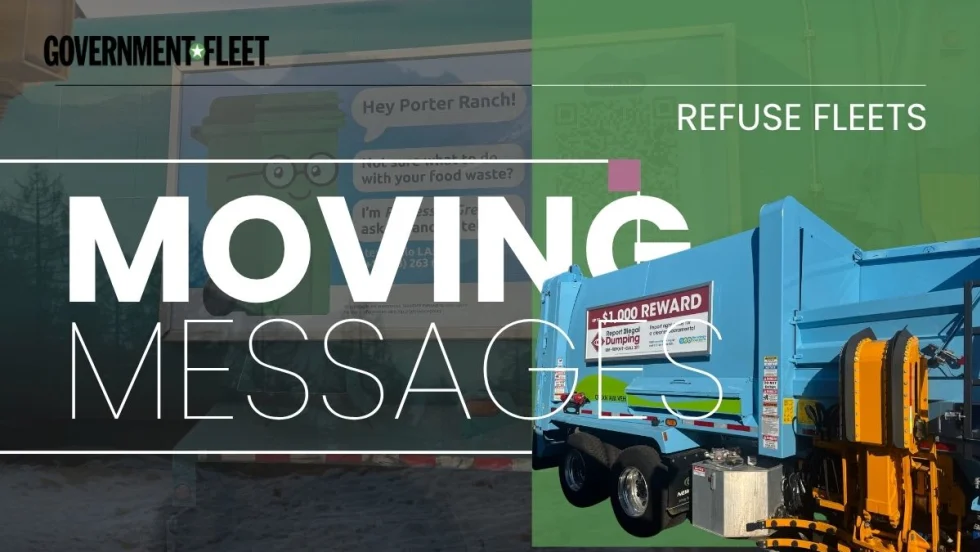
Who Owns the Message on a Refuse Truck?
Refuse trucks can carry public messages into neighborhoods, but keeping those messages current takes planning and clear responsibility.
Who Deserves Fleet Recognition and What Could You Teach at GFX?
Who helped shape your fleet career, and what have you learned that could help someone else?

What’s Haunting Public Sector Fleets?
Public sector fleet challenges rarely happen in isolation, and addressing one often means understanding how it connects to another.
Is Keeping Older Fleet Vehicles Really Saving Money?
Is keeping vehicles longer saving money, and what happens when a diagnostic test points to the wrong fix?