




Ford Recalls F-Series Ambulances
The action covers 6,472 vehicles that may have a malfunctioning exhaust gas temperature sensor.
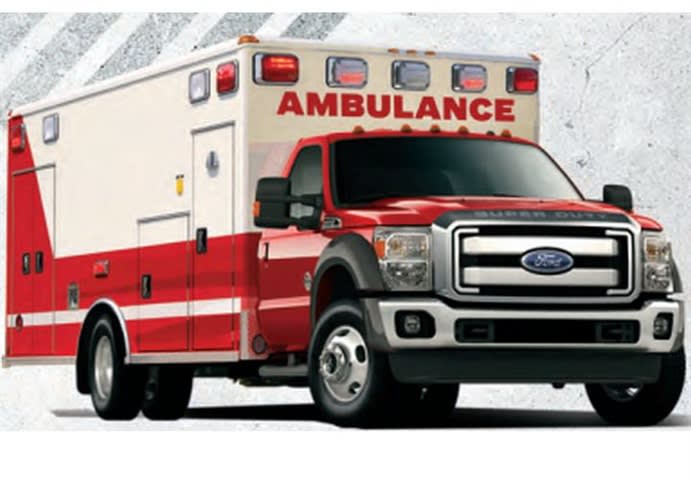
Photo courtesy of Ford.
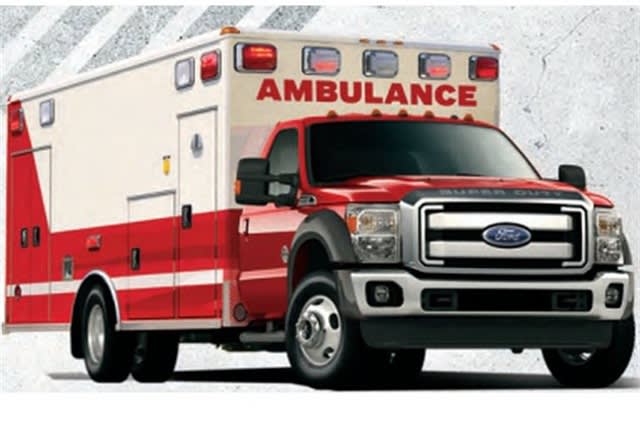
Photo courtesy of Ford.
Ford Motor Co. is recalling 6,472 2011-2013 model-year Ford F-Series Super Duty ambulances and 2014-2015-MY F-Series Super Duty ambulances and emergency vehicles with 6.7-liter diesel engines.
This North American recall will allow Ford dealers to address a potential problem tied to the exhaust gas temperature sensor. The sensor may malfunction, Ford said, causing the vehicle to falsely identify a high-temperature condition.
To fix the problem, dealers will update the software. There will be no charge for this service.
Ford said the company isn’t aware of any accidents or injuries attributed to the sensor issue, and that includes patients riding in the ambulance vehicles.
“The company is taking this action because of the unique nature of ambulance and emergency vehicles,” Ford said in a released statement.
The ambulances and emergency vehicles were built at Kentucky Truck Plant from Feb. 22, 2010, to Feb. 1 of this year. A total of 6,322 vehicles are in the United States, while 96 are in Canada. The remaining 54 are in Mexico.
More Safety

What Public Fleets Should Document and Preserve After a Collision
Dashcam footage can be overwritten, witnesses can leave, and repairs can erase evidence. What should public fleets document and preserve before that information is lost?
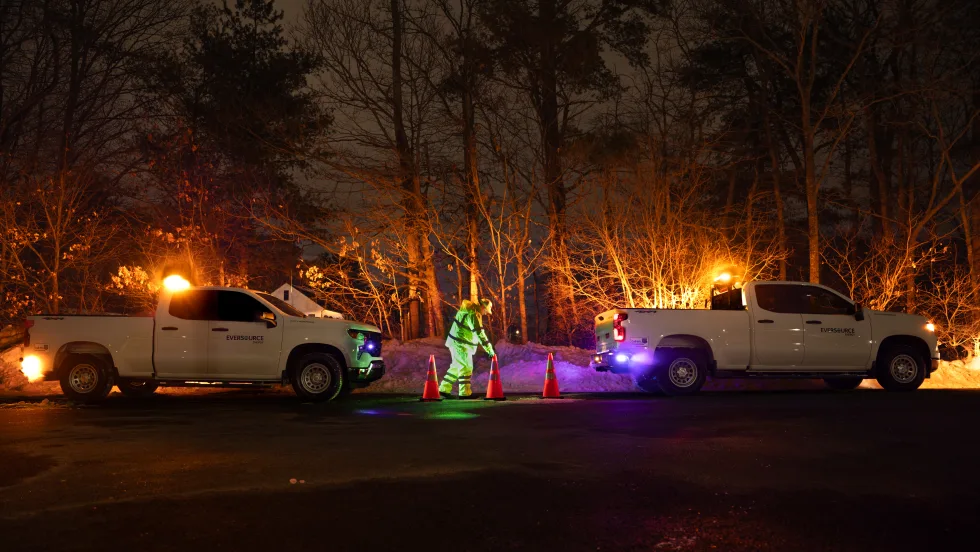
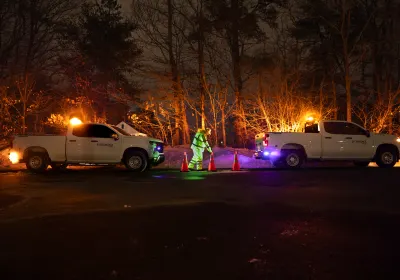
Enhanced Worker Safety Through UV Lighting Technology
An examination of how ultraviolet (UV) perimeter lighting can improve the visibility of workers wearing high-visibility apparel and safety equipment in low-light environments. When paired with durable optical materials and effective light distribution, UV illumination offers a complementary approach to reducing worker exposure risks near traffic and equipment.
New Partnership Aims to Expand Public Digital Hazard Alert System Statewide
The Hawai’i Department of Transportation (HDOT) is expanding advance digital hazard alerts for the public statewide.

New York City Expands Safety Technologies Across Municipal Fleet
Executive Order 19 moves intelligent speed assistance and pedestrian alerts from pilot programs toward standard fleet equipment, offering other public fleets a look at how safety technology can be tested, measured, and scaled.
Hidden in Plain Sight: Fleet Compliance Risks
Fleet compliance isn't just about having policies — it's about consistently enforcing them. This practical guide reveals six hidden compliance risks common in public sector and shared fleet operations and outlines proven strategies to improve visibility, accountability, and audit readiness.

5 Days Left to Submit Your 2026 Fleet Safety Award Nomination
Know a government fleet, safety, or risk manager who deserves recognition for making fleet operations safer? Nominations are open through Aug. 15.

How the First 24 Hours Can Shape a Fleet Crash Response
How a strong accident response process helps government fleets move from the initial report to recovery while building a clearer record for what needs to change next.

How Better Visibility Cut Speeding Violations by 48%
Fleet leaders don't need more data, they need clearer visibility into what the data is saying. This case study explores how one utility replaced speeding-event counts with a single metric — miles driven in violation — to strengthen safety and significantly reduce speeding violations.
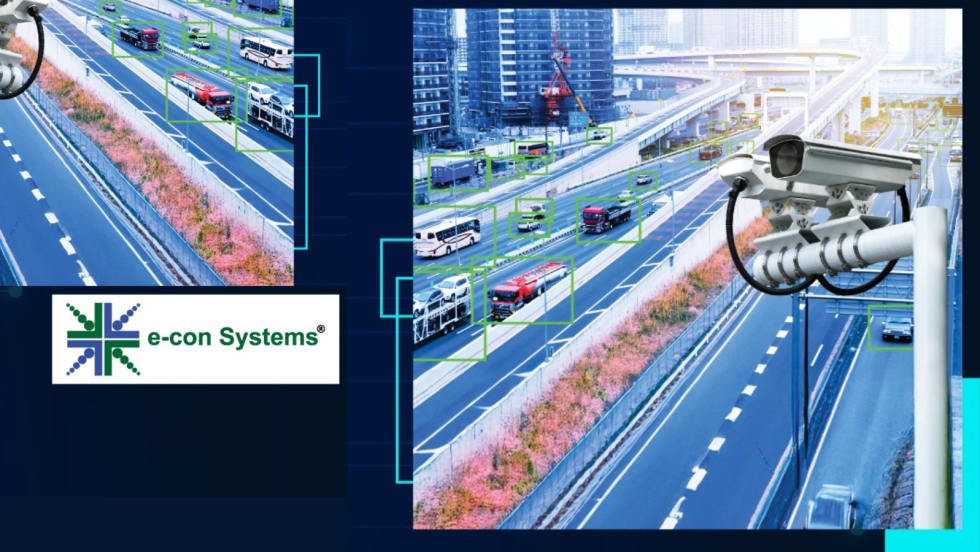
e-con Systems Expands AI Camera Tools for Traffic Monitoring
The systems support license plate recognition, traffic analytics, and video management for transportation agencies.

King Township Pilot Links Driver Feedback to Reduced Speeding
How King Township, a best-in-class municipal fleet, reduced speeding by 10.9% and demonstrated a projected 349% ROI by putting safety ownership directly in drivers' hands.