





Related: Emergency Planning for Fleets: Adapting to a New Era of Preparedness
New Samsara Data Reveals Dangerous Gap in Disaster Readiness
A new Samsara report highlights widespread gaps in disaster preparedness among public and private organizations, with most leaders lacking confidence in their ability to respond to major crises.
October 21, 2025

Samsara’s State of Connected Operations Report found that most organizations remain underprepared for natural disasters and other large-scale emergencies, underscoring the need for stronger planning and data-driven response strategies.
Photo: Government Fleet
2 min to read
Samsara has released its State of Connected Operations Report: Plan, Act, Recover: Disaster Preparedness in Physical Operations, revealing that most organizations remain underprepared for major crises—including natural disasters, supply chain breakdowns, and security threats.
The report, which surveyed 1,550 emergency management professionals across 21 industries in the United States, Mexico, the United Kingdom, Ireland, France, Germany, and Canada, found that 76% of executives lack confidence in their crisis readiness, and only 24% feel adequately prepared. Even in high-risk regions, just 13% of organizations have active disaster plans.
“This study shows the biggest threat isn’t the disaster itself—it’s being unprepared,” said Johan Land, senior vice president of product at Samsara. “Moving from reaction to prediction is key to protecting people and operations.”
Key Findings Highlight Readiness Gaps
The study identified several areas of concern affecting public and private sector operations alike:
76% of executives lack confidence in their crisis readiness; only 24% feel adequately prepared.
Just 13% of organizations in disaster-prone regions have active crisis plans, including 1% in Canada, 3% in Mexico, and 10% in France.
Top concerns include natural disasters, supply chain disruptions, and security incidents.
Visibility and Communication Remain Major Challenges
According to the report, 95% of organizations have suffered financial losses during crises, often from being unable to locate critical assets.
64% lack consistent real-time access to key operational data.
72% worry their technology doesn’t adequately protect frontline workers.
79% fear losing communications if infrastructure is damaged.
AI Seen as a Tool for Disaster Response
Nearly nine in ten leaders (89%) believe artificial intelligence will transform disaster response within five years. Respondents said they expect technology to improve early warnings, emergency planning, and real-time decision support.
However, 79% reported that their frontline teams are not adequately trained to use digital tools during emergencies, and 82% said the growing frequency of disasters is driving new training needs, particularly in data and technology use.
Planning Improves Recovery Times
Organizations with established emergency plans were far more resilient. Ninety-three percent of those with active plans returned to normal operations within three days of a major event.
According to the report, agencies and organizations that invest in planning and operational visibility recover faster, maintain stronger communications, and protect their personnel and assets more effectively.
In Florida, Dave Persad, director of fleet management and mobility for the City of Boynton Beach, said improved asset visibility has helped his department respond more quickly to emergencies. “We get a lot of hurricanes in our area,” Persad said. “Before implementing new technology, it could take hours to locate our response equipment. Now, we can find what we need in minutes and begin preparations right away.”
More Safety
What Public Fleets Should Document and Preserve After a Collision
Dashcam footage can be overwritten, witnesses can leave, and repairs can erase evidence. What should public fleets document and preserve before that information is lost?
Sponsored•November 9, 2026
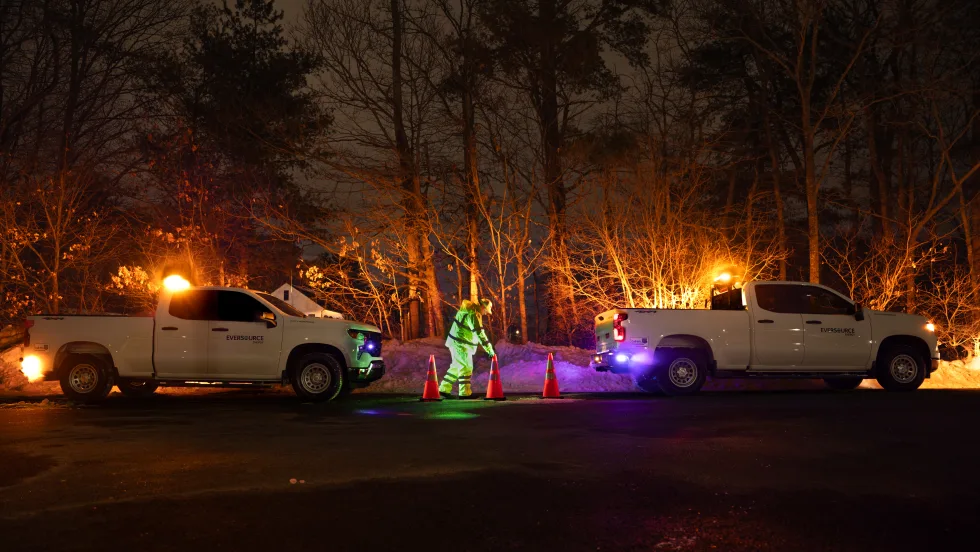
Enhanced Worker Safety Through UV Lighting Technology
An examination of how ultraviolet (UV) perimeter lighting can improve the visibility of workers wearing high-visibility apparel and safety equipment in low-light environments. When paired with durable optical materials and effective light distribution, UV illumination offers a complementary approach to reducing worker exposure risks near traffic and equipment.
New Partnership Aims to Expand Public Digital Hazard Alert System Statewide
The Hawai’i Department of Transportation (HDOT) is expanding advance digital hazard alerts for the public statewide.

New York City Expands Safety Technologies Across Municipal Fleet
Executive Order 19 moves intelligent speed assistance and pedestrian alerts from pilot programs toward standard fleet equipment, offering other public fleets a look at how safety technology can be tested, measured, and scaled.
Sponsored•August 10, 2026
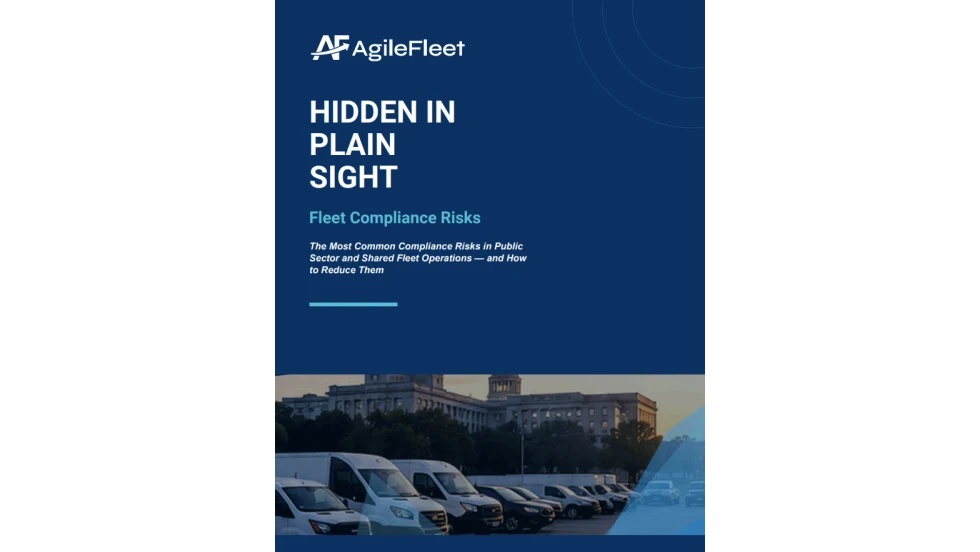
Hidden in Plain Sight: Fleet Compliance Risks
Fleet compliance isn't just about having policies — it's about consistently enforcing them. This practical guide reveals six hidden compliance risks common in public sector and shared fleet operations and outlines proven strategies to improve visibility, accountability, and audit readiness.

5 Days Left to Submit Your 2026 Fleet Safety Award Nomination
Know a government fleet, safety, or risk manager who deserves recognition for making fleet operations safer? Nominations are open through Aug. 15.
How the First 24 Hours Can Shape a Fleet Crash Response
How a strong accident response process helps government fleets move from the initial report to recovery while building a clearer record for what needs to change next.
Sponsored•July 17, 2026
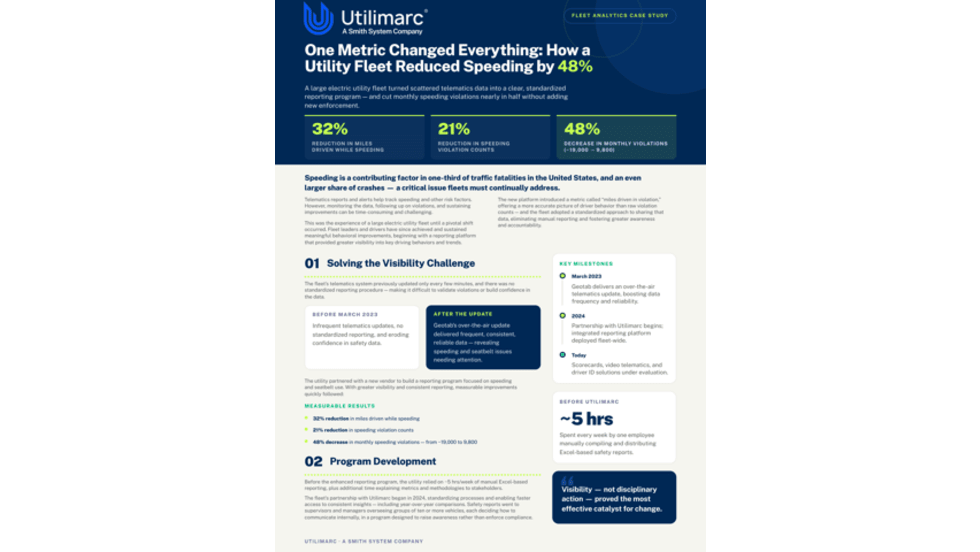
How Better Visibility Cut Speeding Violations by 48%
Fleet leaders don't need more data, they need clearer visibility into what the data is saying. This case study explores how one utility replaced speeding-event counts with a single metric — miles driven in violation — to strengthen safety and significantly reduce speeding violations.
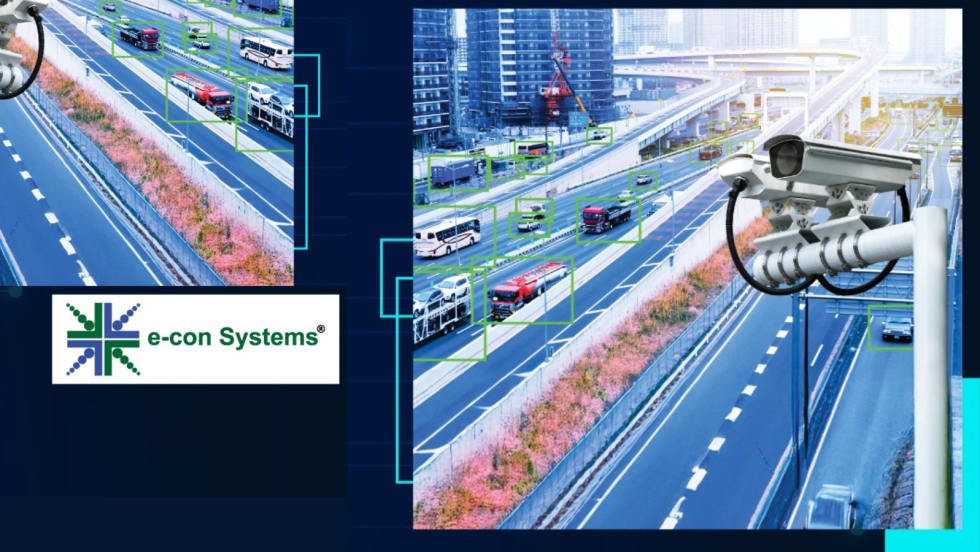
e-con Systems Expands AI Camera Tools for Traffic Monitoring
The systems support license plate recognition, traffic analytics, and video management for transportation agencies.
King Township Pilot Links Driver Feedback to Reduced Speeding
How King Township, a best-in-class municipal fleet, reduced speeding by 10.9% and demonstrated a projected 349% ROI by putting safety ownership directly in drivers' hands.