




What Public Fleets Should Document and Preserve After a Collision
Dashcam footage can be overwritten, witnesses can leave, and repairs can erase evidence. What should public fleets document and preserve before that information is lost?
November 16, 2026

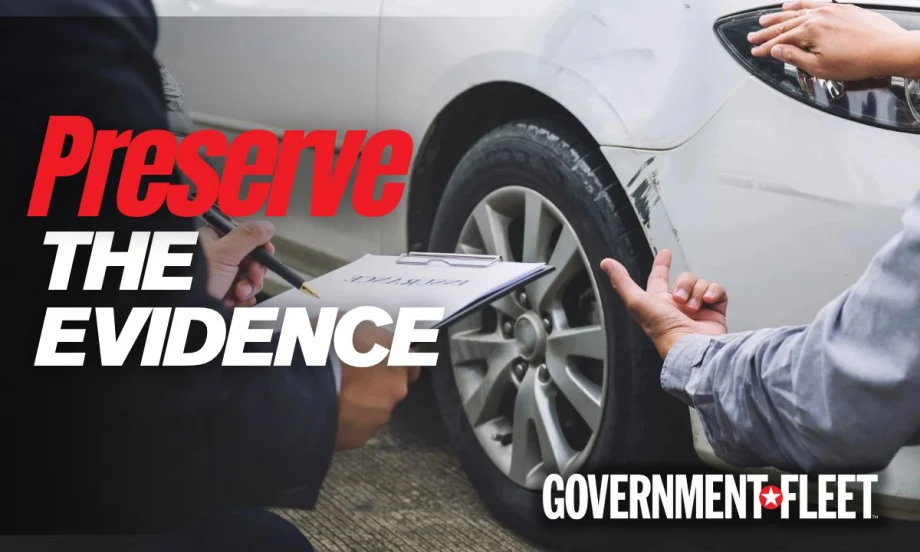
Dashcam footage can be overwritten, witnesses can leave, and repairs can erase evidence. What should public fleets document and preserve before that information is lost?
Credit:
Government Fleet
3 min to read
A damaged vehicle may sit in the yard for weeks, but the records needed to explain the crash can disappear before anyone begins reviewing what happened.
For public fleet managers, the challenge is making sure that information survives the handoff from the driver to the people responsible for investigating the collision and handling the claim.
Eliot Houman and Omid Dayan, co-founders of The Accident Guys, identified missing information and overwritten footage as recurring gaps that can complicate that work.
In the following Q&A, they discussed where documentation breaks down and how fleets, including smaller operations without a dedicated risk manager, can establish a clear process before the next collision.
Government Fleet: Where do you most often see gaps in public fleets' post-crash documentation, and how can those gaps affect an investigation?
Eliot Houman: The most common gaps are basic. Dashcam or telematics data is not preserved before it's overwritten. The police report number and the other driver's insurance information never get recorded. Witnesses leave without anyone taking their contact information.
When a crew is riding together, it's often unclear who was actually driving. Each gap makes fault harder to prove. For self-insured fleets and those working with a third-party administrator, it also delays the claim and weakens the fleet's ability to recover repair costs from the at-fault party.
GF: Once emergency needs have been addressed, what should a fleet manager prioritize documenting and preserving during the first few hours?
Omid Dayan: Document what happened, any injuries, and the property damage. Get the police report number so the report can be ordered. Collect insurance information from every party so claims can be opened with the carrier, the third-party administrator, or the fleet's own risk program.
Find out whether dashcam or telematics footage exists, and make sure it's preserved. Save all photos and media; if none were taken, have someone take them now. If more than one person was in the vehicle, document who was driving.
GF: Which records are most vulnerable to being overwritten or lost, and what should fleets arrange with dashcam and telematics providers to keep that evidence available?
Eliot Houman: On-vehicle storage is the weak point. In a serious crash, the device can be destroyed, or the footage can loop and overwrite itself before anyone pulls it. Fleets should use cloud-based dashcam and telematics systems that upload data in real time to off-site servers.
They should also confirm in writing how long the provider keeps that data and how quickly it can be locked down after a crash. That evidence is how the responsible party gets held accountable, and it's often the fleet driver's best protection when they weren't at fault.
GF: How should responsibility for preserving records be assigned when multiple departments or contractors are involved?
Omid Dayan: If everyone is responsible, no one is. Name one person who owns record preservation after every crash, and name a backup for when that person is out. Put it in writing so there's no confusion about who makes the calls to vendors and contractors.
GF: What should fleets document before a damaged vehicle is towed, repaired or returned to service?
Eliot Houman: Photos, photos, photos. Shoot every angle of the vehicle, close-ups of all damage, the interior, the odometer, and the scene itself. Once the vehicle is repaired, that evidence is gone for good.
GF: For a small public fleet without a dedicated risk manager, what should a practical post-crash documentation procedure include?
Omid Dayan: Keep it simple enough that a driver can do it on the spot. The driver should walk around the vehicle while recording video, photograph all damage, and write down what happened and who was driving.
That information goes to one designated person, who preserves the data and notifies the dashcam or telematics provider. That person also sends the police report information and every party's insurance information to whoever opens claims, whether that's the carrier, the third-party administrator, or an in-house claims contact.
Subscribe to Our Newsletter
More Safety
Sponsored•November 9, 2026
Enhanced Worker Safety Through UV Lighting Technology
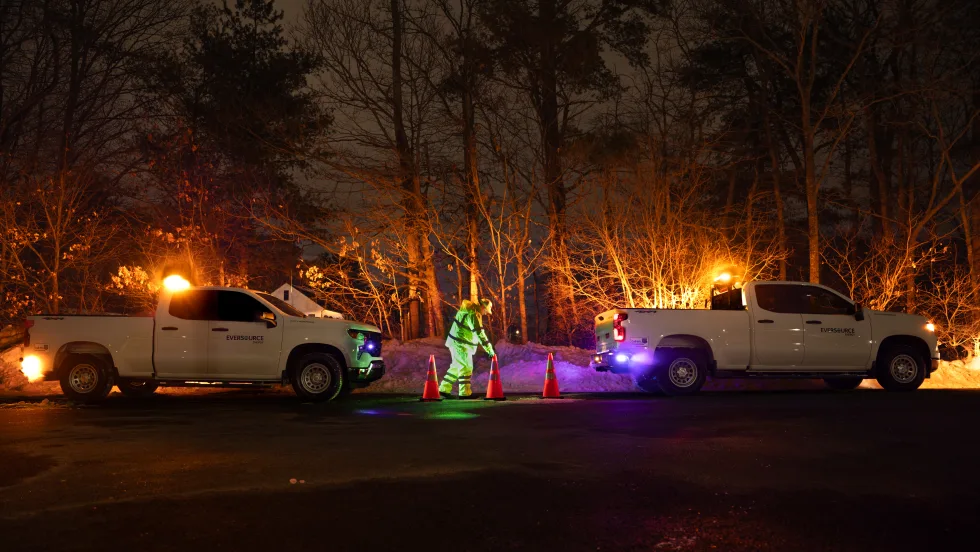
An examination of how ultraviolet (UV) perimeter lighting can improve the visibility of workers wearing high-visibility apparel and safety equipment in low-light environments. When paired with durable optical materials and effective light distribution, UV illumination offers a complementary approach to reducing worker exposure risks near traffic and equipment.
Read More →
New Partnership Aims to Expand Public Digital Hazard Alert System Statewide
The Hawai’i Department of Transportation (HDOT) is expanding advance digital hazard alerts for the public statewide.
Read More →
New York City Expands Safety Technologies Across Municipal Fleet
Executive Order 19 moves intelligent speed assistance and pedestrian alerts from pilot programs toward standard fleet equipment, offering other public fleets a look at how safety technology can be tested, measured, and scaled.
Read More →
Sponsored•August 10, 2026
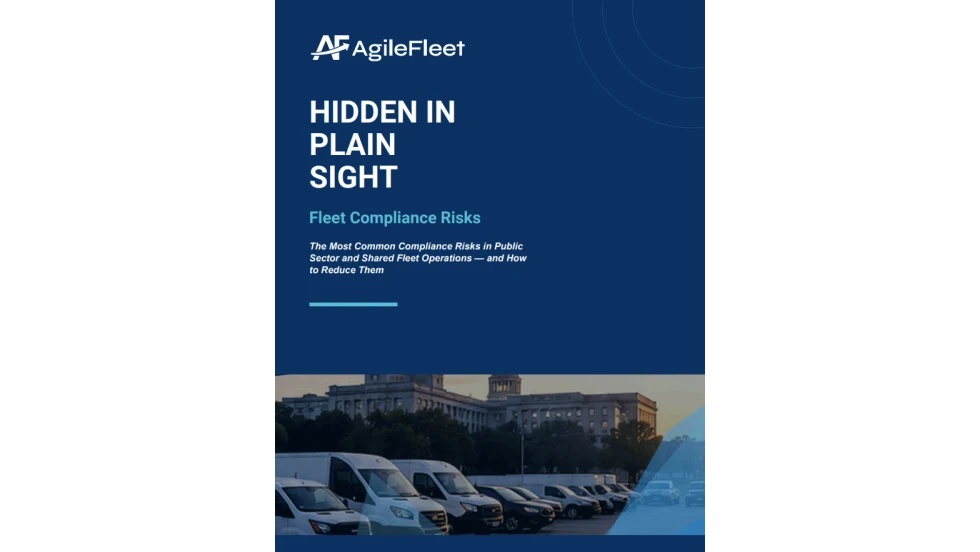
Hidden in Plain Sight: Fleet Compliance Risks
Fleet compliance isn't just about having policies — it's about consistently enforcing them. This practical guide reveals six hidden compliance risks common in public sector and shared fleet operations and outlines proven strategies to improve visibility, accountability, and audit readiness.
Read More →
5 Days Left to Submit Your 2026 Fleet Safety Award Nomination
Know a government fleet, safety, or risk manager who deserves recognition for making fleet operations safer? Nominations are open through Aug. 15.
Read More →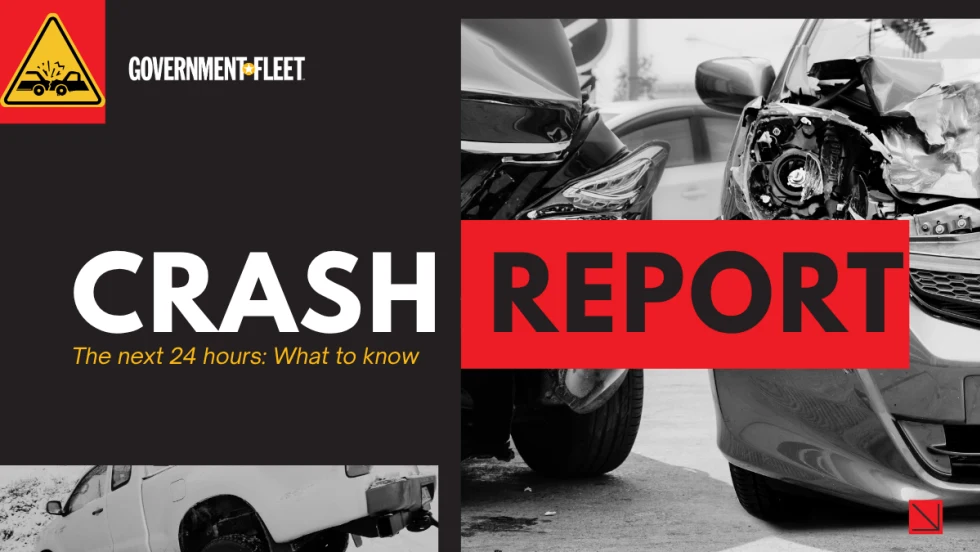
How the First 24 Hours Can Shape a Fleet Crash Response
How a strong accident response process helps government fleets move from the initial report to recovery while building a clearer record for what needs to change next.
Read More →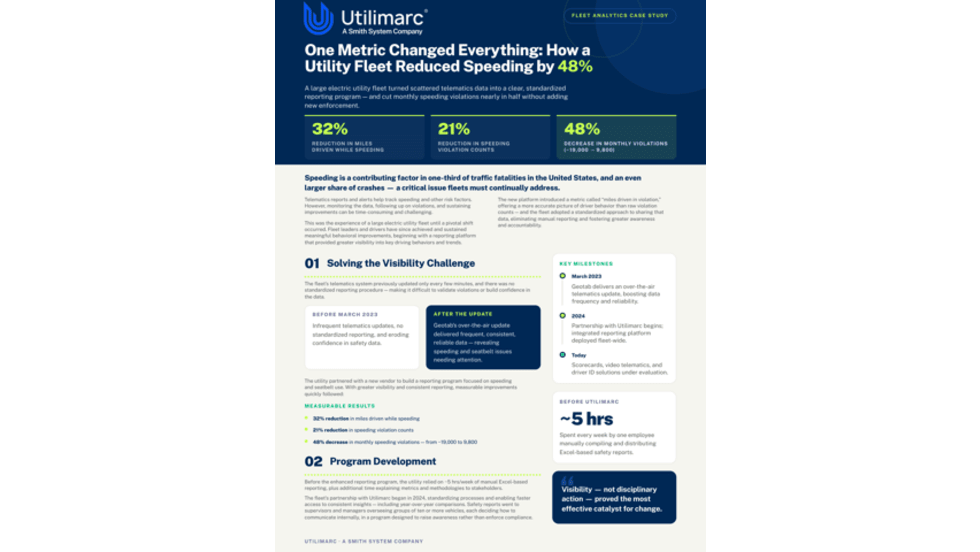
Sponsored•July 17, 2026
How Better Visibility Cut Speeding Violations by 48%
Fleet leaders don't need more data, they need clearer visibility into what the data is saying. This case study explores how one utility replaced speeding-event counts with a single metric — miles driven in violation — to strengthen safety and significantly reduce speeding violations.
Read More →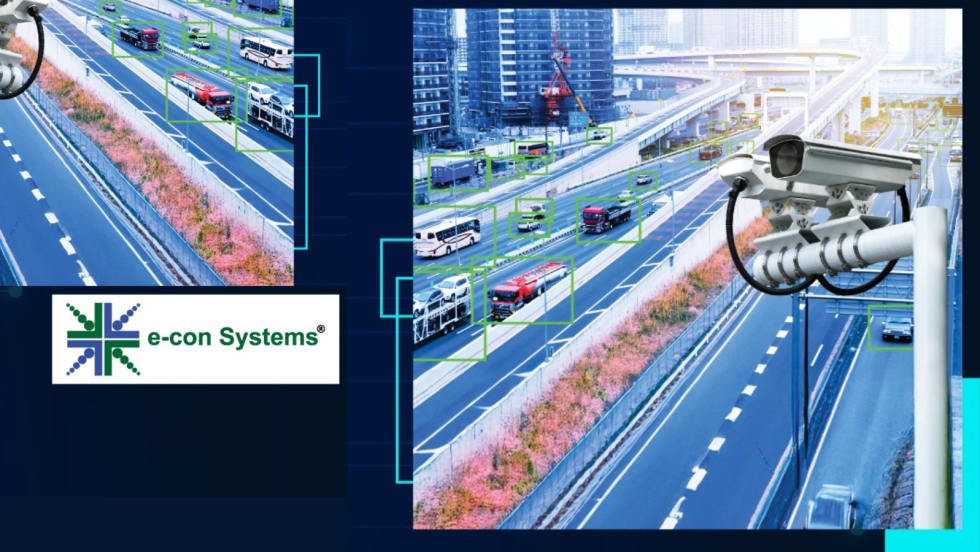
e-con Systems Expands AI Camera Tools for Traffic Monitoring
The systems support license plate recognition, traffic analytics, and video management for transportation agencies.
Read More →
King Township Pilot Links Driver Feedback to Reduced Speeding
How King Township, a best-in-class municipal fleet, reduced speeding by 10.9% and demonstrated a projected 349% ROI by putting safety ownership directly in drivers' hands.
Read More →
Beyond the Fireline: The Critical Role of Public Fleets in Wildfire Response
Behind every wildfire response is a complex network of vehicles, data, and decisions that must work in sync under extreme pressure. Global heating trends require strong fleet coordination and reliable communications to keep crews safe and operations running smoothly.
Read More →