




The Long-Term Cost of Delaying Fleet Replacement
Tony Yankovich, director of fleet consulting at RTA: The Fleet Success Company, discusses why replacement delays carry long-term costs and how fleets can prepare for changing operational demands.
November 6, 2026

Delaying a vehicle replacement may help balance a capital budget, but the expense can surface elsewhere as an aging asset requires more repairs and spends more time out of service.
Credit:
Government Fleet
4 min to read
Delaying a vehicle replacement may help balance a capital budget, but the expense can surface elsewhere as an aging asset requires more repairs and spends more time out of service.
For public fleet managers, understanding that trade-off also means examining whether the vehicle is still needed and whether replacing it with the same type of asset makes sense for the work ahead.
Tony Yankovich of RTA The Fleet Success Company sees those decisions becoming more difficult as the demands on fleet employees evolve alongside the equipment they maintain.
Drawing on more than 30 years in the industry, he discussed how fleets can prepare for the coming year and why having more data should prompt a closer look at decisions that once happened automatically.
Government Fleet: What should fleets expect to face over the next year?
Tony Yankovich: I would expect continued pressure from three directions:
- Capital Affordability: The cost of purchasing new vehicles and equipment will continue to rise, with specialty and vocational vehicles experiencing particularly significant increases. While vehicle availability has improved since the pandemic, procurement lead times for certain types of equipment remain exceptionally long, sometimes measured in years rather than months. Combined with constrained capital budgets and growing replacement backlogs, fleet managers will face increasingly difficult decisions about when to replace assets and how to stretch limited capital resources.
- Workforce Capacity: There are approximately 1.4 million technicians working across the various vehicle and equipment maintenance industries, with roughly 125,000 job openings projected annually due largely to retirements, career changes, and other workforce departures. Combined with projected employment growth in several technician categories, recruiting and retaining qualified technicians will remain a significant challenge. I also believe we will see more fleet leadership positions filled by individuals from outside the fleet industry. These individuals may bring strong leadership, management, and organizational skills but lack direct fleet experience. This will place even greater importance on developing knowledgeable technical teams and providing industry-specific training for emerging fleet leaders.
- Technological Complexity: Technology will continue to transform nearly every aspect of fleet operations. Today's vehicles and equipment are increasingly sophisticated, requiring technicians to possess advanced diagnostic, electronic, and computer-related skills in addition to traditional mechanical expertise. At the same time, fleet managers will need to become more proficient in using telematics, data analytics, artificial intelligence, and other technologies to make better operational and financial decisions. The challenge will not simply be adopting new technology, but ensuring employees have the skills and training necessary to use it effectively.
GF: What recent change in fleet management has surprised you the most?
TY: Without question, the speed and pace of change. I've been in the fleet industry for more than 30 years, and I would argue that I've witnessed more change in the past five years than during the first 25 years of my career.
For decades, I've been climbing on my soapbox preaching the importance of using data to make better fleet management decisions. Today, between sophisticated fleet management information systems (FMIS), telematics, and the emergence of artificial intelligence, we have access to more data and analytical capabilities than ever before.
What excites me most is where we're headed next. We're moving from data visualization to intervention, from simply understanding what happened, to predicting what might happen, to prescribing what we should do about it.
In other words, we're moving beyond preventive maintenance and predictive analytics into prescriptive analytics, where technology can help identify the best course of action before a problem becomes a costly failure.
GF: What issue are fleets still underestimating, and how do they overcome it?
TY: The long-term cost of underfunding replacement. Fleets often treat replacement deferral as a budget solution when economically it simply transfers cost and risk into maintenance, downtime, outsourcing, and future capital backlog.
GF: What operational practice should fleets reconsider as their needs change?
TY: Automatic one-for-one replacement should be replaced by a new approach similar to zero based justification to determine the need for the asset, the appropriate type of asset, and the assignment/allocation approach that will most benefit the organization.
Subscribe to Our Newsletter
More Vehicle Research
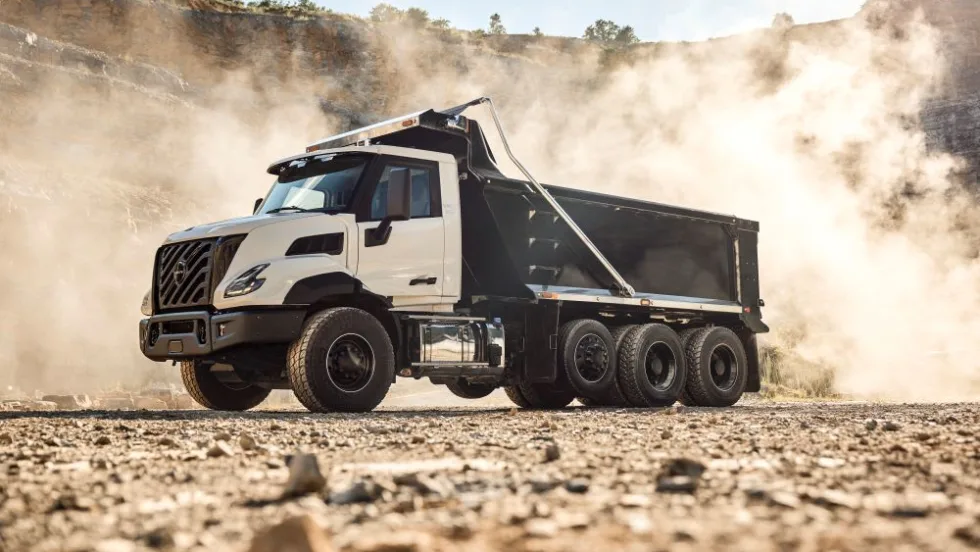
Volvo Trucks Unveils New Volvo VNX, a Vocational and Heavy-Haul Truck
The Volvo VNX features standard forward pedestrian detection that continuously scans for people in the truck's path, and optional blind-spot detection, now available on both sides.
Read More →
Government Fleet Sales Fall in August Despite Year-to-Date Gain
Government fleet sales declined in August, but stronger year-to-date truck and SUV sales kept the overall 2026 total ahead of last year.
Read More →
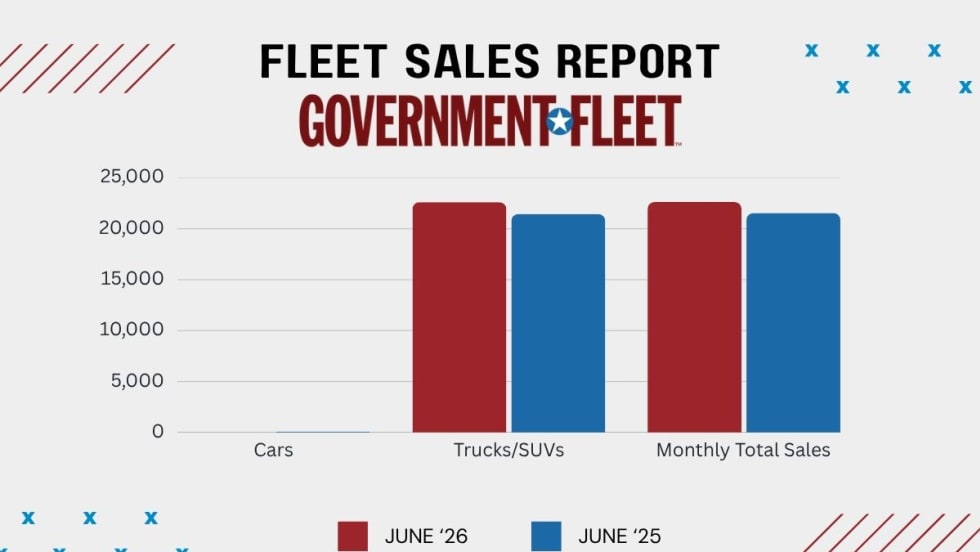
June Government Vehicle Sales See a Jump in Numbers
There were a reported 22,626 government fleet vehicles sold in June compared to 21,539 vehicles sold in June 2025.
Read More →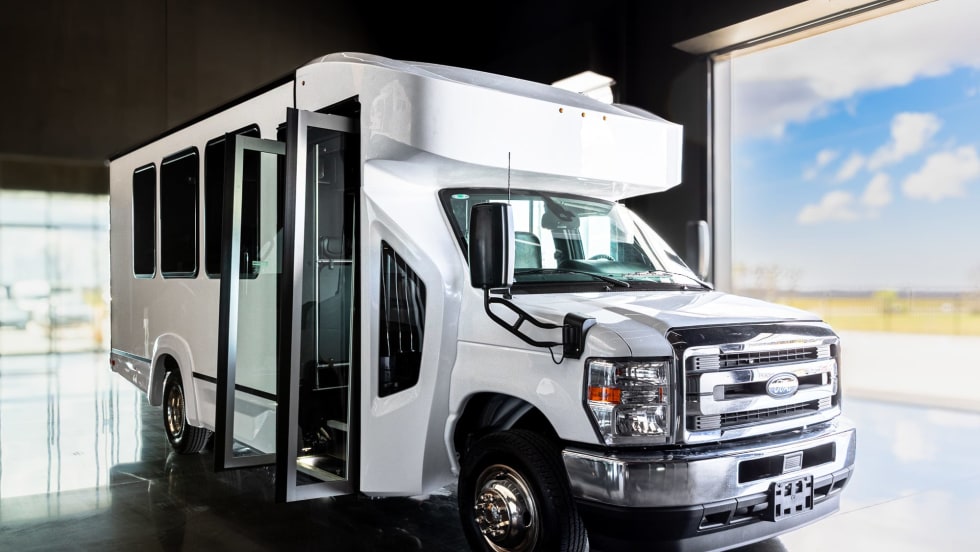
Master's Motors Introduces Shuttle Buses for Government and Commercial Fleets
Master's Motors has introduced two new shuttle bus models aimed at government and commercial fleet operators. The buses incorporate updated structural and accessibility features while offering configurable layouts for a variety of passenger transportation applications.
Read More →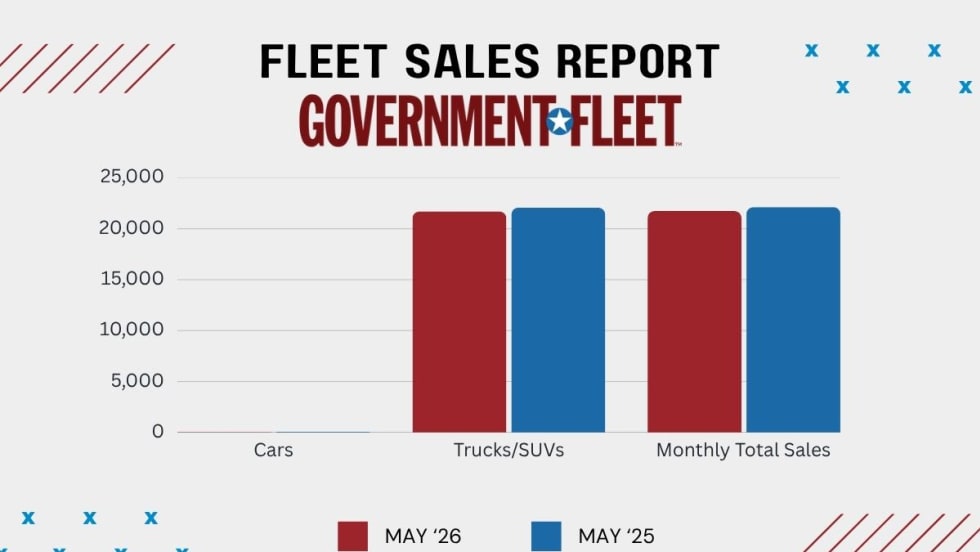
May Government Fleet Sales Slip Below 2025 Pace
Despite last month's sales increase, May vehicle numbers took a downward turn.
Read More →
April 2026 Recall Roundup: Chrysler, Lucid, & More
Are any of the vehicles in your fleet recalled? Check out the latest recalls of popular government fleet vehicles and equipment.
Read More →
Kestrel Work Truck for First Response Debuts at FDIC 2026
Morgan Olson introduced its Kestrel platform, a compact, four-wheel-drive Class 2 work truck designed for first responders, with multiple configurations, validated safety testing, and a focus on durability and fleet lifecycle performance.
Read More →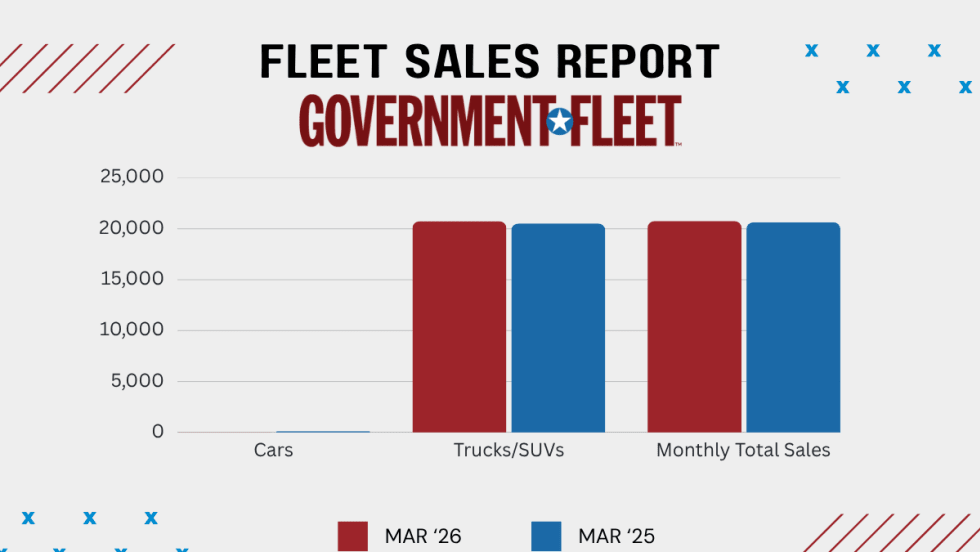
Government Fleet Vehicle Sales Rise In March
Government fleet vehicle sales increased by 1% in March, up from March 2025.
Read More →
March 2026 Recall Roundup: Ford, Kia, & More
Are any of the vehicles in your fleet recalled? Check out the latest recalls of popular government fleet vehicles and equipment.
Read More →