




Combating the Qualified Technician Shortage with Strategic Investments and Training
While the qualified technician shortage in the fleet industry is real, and it’s a challenge, that doesn’t mean fleets are powerless.
June 20, 2025

There are options available when it comes to growth programs, such as the Automotive Service Excellence (ASE) certification.
Photo: Photo: This utilizes an AI-generated image. Refer to our Terms of Use.
4 min to read
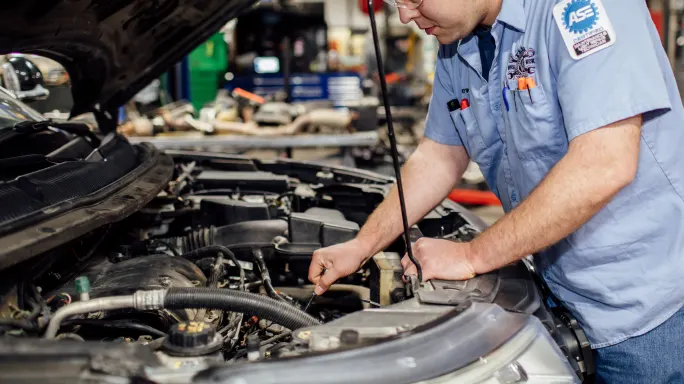
There are quite a few options available when it comes to growth programs, such as the Automotive Service Excellence (ASE) certification.
Photo: Fleetio
The labor shortage in skilled trades is a topic that’s been trending basically since I was in high school, especially as millennials were pushed more toward the college track, and the skilled labor force began aging out at rates difficult to replenish.
This shortage not only impacts the business side for fleets, it also affects the fleet’s ability to run, as finding qualified technicians has become a bigger issue. Not to mention high turnover rates present a challenge in itself, as technicians often leave within a few years due to frustrations like inadequate pay, limited career growth, or cumbersome workflows.
Plus, rapid advancements in vehicle and equipment technology, including electric and autonomous vehicles, demand higher skill levels, yet formal training programs can sometimes lag behind. Put everything together and it’s easy to see why many fleets have faced uptime challenges, increases in operational costs, and strains on existing staff, the latter of which puts the fleet at risk of losing even more technicians.
The TechForce Foundation’s 2022 Technician Supply and Demand report estimated a shortfall of nearly 613,000 technicians needed by 2024 across automotive, diesel, and collision sectors, with fleet-specific needs contributing quite a bit to this gap.
But, hey, all hope is not lost.
In their 2023 report, TechForce Foundation saw a somewhat unexpected uptick in the technician workforce — 4.3% from 2021 to 2022, which was higher than the national average. While this growth isn’t enough to cover the gap, it’s a step in the right direction. And, with younger generations becoming increasingly interested in skilled trades, the future is starting to look a little brighter.
Incentives can Help Boost Technician Growth
Competitive pay is a great start when it comes to attracting new technicians to your fleet, but sometimes it can take a little more investment. Fleets can stand out by offering sign-on bonuses, tool allowances, and covering certification costs — tactics that ease financial burdens for new hires and signal investment in employees and their continued career growth. This can be especially appealing for the growing number of Gen Zers opting for higher-paying trade jobs over the high-cost college experience.
Encourage Career Growth for Better Retention
Investing in technicians as a way to get them in the door only solves part of the problem. You’ve got to take the steps to encourage them to stay, and creating a clear career path really comes into play here. Like most other professionals, technicians often want the ability to advance — whether it’s mastering new skills, earning higher titles, or tackling advanced tech in the automotive space.
When onboarding new technicians, ask about their goals and craft development plans to show you value their ambition and are invested — there’s that word again — in nurturing it. This can ultimately lead to employee engagement, and engaged technicians are more productive and less likely to leave.
An Inter-Industry Conference on Auto Collision Repair (I-CAR) 2024 survey of collision technicians found that 96% of responders who were “very satisfied” with career advancement were also highly satisfied overall, versus just 13% of those dissatisfied with growth prospects. For fleets, this can translate to lower downtime, reduced repair costs, and a stronger reputation as a quality employer.
Position Your Fleet as a Choice Employer
There are quite a few options available when it comes to growth programs, as well. Automotive Service Excellence (ASE) certification is the gold standard for skills growth, and the institute offers a number of financial assistance options, such as Fleetio’s ASE Scholarship program, which allows fleets to nominate technicians for up to $3,000 of sponsored training, upskilling, and/or re-skilling.
There are also programs like the Peterbilt Technician Institute or OEM apprenticeships, which offer structured training. You can even go the classic route of in-house mentorships, pairing novices with veterans. These initiatives work to not only upskill technicians but also position the fleet as a choice employer.
So, while the qualified technician shortage in the fleet industry is real, and it’s a challenge, that doesn’t mean fleets are powerless. The emerging interest in trades among younger generations is a potential avenue for a widening pool of technicians, and focusing on incentivizing both opportunity and growth, whether through tools, bonuses, fostering lasting careers — or even all three — can really make a difference.
Subscribe to Our Newsletter
More Operations

Is Keeping Older Fleet Vehicles Really Saving Money?
Is keeping vehicles longer saving money, and what happens when a diagnostic test points to the wrong fix?
Read More →
How Smart Fleet Strategy Can Help Local Government Agencies Do More with Less
Keeping a vehicle longer may ease this year’s budget, but what does it cost the next one? A closer look at fleet decisions can reveal opportunities to reduce spending while protecting essential services.
Read More →
Connect with Government Fleet on LinkedIn
From industry news and fleet management strategies to conversations with peers, Government Fleet's LinkedIn page offers public-sector fleet professionals another way to stay informed and connected.
Read More →
Town of Queen Creek Named Most Successful Fleet Award Winner of Inaugural RTA Fleet Success Awards
Five fleets were honored at RTA Connect 2026 in Chicago for excellence across resource efficiency, intentional culture, risk management, and stakeholder satisfaction.
Read More →
Sponsored•October 14, 2026
A buyer's guide to fleet management software in 2027
Buying fleet management software in 2027 means looking beyond features and price. As fleet operations, technology and expectations evolve, this guide explores what today’s fleet professionals should consider when choosing a system that can deliver value now and adapt to what comes next.
Read More →
Hazard Alerts, Fleet Car Sales Rise and a New Shuttle Concept
Fleet car sales doubled, but the bigger picture tells a different story in this week’s roundup.
Read More →
How St. Johns County Turned Fleet Data Into Better Replacement Decisions
St. Johns County, Florida, had fleet data, but turning it into reliable decision guidance was another matter. Instead of starting over with a new fleet management system, the county connected existing tools and built a scoring system that gives managers an objective look at fleet health.
Read More →
Fleet Forward Conference Introduces One-Day Passes for 2026
New one-day registration lets fleet professionals attend Tuesday, Wednesday, or Thursday, with passes available for $249.
Read More →
ENC Unveils its ZAVIR Medium-Duty Shuttle
Two variants of the concept shuttles were revealed: a low-floor configuration and a high-floor configuration.
Read More →
Could Your Next Fleet Technician Start as an Intern?
What if your next technician hasn’t worked in a fleet shop yet? What fleets are doing to free up time.
Read More →