




About the Author: Molly Groh is a Key Account Manager at Marion Body Works, where she has spent almost nine years working with large fleet customers. She manages each build from initial spec through delivery and serves as the link between customers and the team at Marion.
Standardization and Customization: Five Steps for Building Your Perfect Fleet
When water, parks, and street crews need trucks for different jobs, what should they share? Five steps help public fleets build a standard truck spec and decide what each crew needs.
by Molly Groh, Marion Body Works
November 24, 2026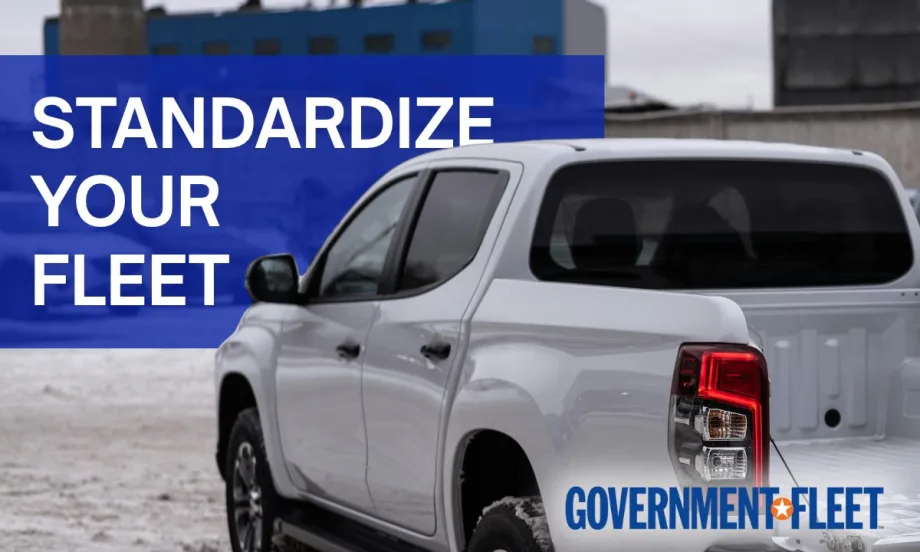
A standardized vehicle specification ensures consistency, simplifies maintenance, and optimizes cost-efficiency by minimizing the variety of parts and services needed.
Credit:
Government Fleet
5 min to read
Government fleet vehicles rarely have one job to do. For example, a municipality or state might run trucks for utilities, parks, water treatment, and public works that are spread across multiple departments, branches, and use cases. Truck build spec conversations tend to focus on either/or decisions: one standard truck for everyone, or a custom build for each request.
Both approaches solve a problem when used appropriately, but strict standardization can lead to trucks that don’t work with every job, while over-customization can lead to a spec that quickly spirals out of control. In my experience, the fleets that get it right use a mix.
They standardize the foundation of their fleet and customize only when necessary. Here are five steps to find the perfect balance for your fleet.
Step 1: Start with the End in Mind
Before making any decisions, it’s important to clarify what the fleet is trying to accomplish. There are many goals to take into consideration, for example: improving safety, streamlining maintenance, cutting costs, replacing old units, or better efficiency.
The answers to these questions should point you in a certain direction. Goals around lower costs and consistency? Standardization can help. Goals around improved safety and daily operations? Customization may be needed.
Then, get the right people in the room. This is the most important step before beginning to spec a new fleet. Typically, you want to hear from the fleet owner, department and regional managers, and the crews who use the trucks every day. If possible, do a ride-along and ask about every feature: Do we really need it? Do we really want it? Would it make your life easier?
Oftentimes, crew members will be able to tell you if they never touch a certain compartment, or that a fold-down desk would make their day ten times easier. Hearing from the people who actually use the equipment will lead to a more functional truck and better use of your budget.
Step 2: Build a Standard Base
A fleet should have a standard base spec, and the benefits add up quickly.
· Purchasing and timing: Standard specs allow volume pricing and can speed up processing and the build itself
· Order with ease: If you need 20 trucks of the standard spec, you can simply enter the order without having to entertain 20 different conversations about customizations
· Maintenance: Build every truck in your fleet with common parts. There is no need to stock different parts for every version in your fleet, which means maintenance costs can come down
· Training and utilization: If one truck goes down, an employee can hop into another one without having to learn its specific nuances
Standardization is just the beginning. If a truck is purchased with only the bottom line and a quick turnover in mind, it isn’t built for how crews use it and can hinder operations. The number one killer of efficiency is a truck that wasn’t built for the job.
Step 3: Customize with Purpose
Customizations can make a world of difference in employee safety and efficiency. When you are considering customizations, it can seem overwhelming, but it’s about what could make a crew’s job easier and safer every day. Customizations don’t have to be big or expensive; some simple examples include:
· Longer pull straps on the rear door, so that drivers aren’t constantly climbing up the side steps to reach it
· Slip-resistant steps and thresholds
· Chain hooks on the body, so a driver in a snowy region can adapt quickly
· Cone holders and accessible fire extinguishers
More robust features, such as swinging side doors, power inverters, eyewash stations, slide-out trays, and lift gates, can also improve employee safety and efficiency.
Step 4: Standardize the Customizations
Customizations can quickly get out of hand, so this is where the two approaches meet. Inside a single municipality, the water treatment crew, street maintenance crew, and parks crew all need trucks, but they don’t all do the same work. Once a base spec is established, evaluate whether a feature could be beneficial across the board or just for a few departments. Give each job its own package type: the base plus the few additions needed. This simplifies ordering: you can order the “base spec plus water” or the “base spec plus parks” and not have to reinvent the wheel every time a new truck is needed.
Often, items one crew uses can benefit other crews, too; they just hadn’t considered it before. When a feature proves valuable across multiple applications, it may make sense to incorporate it into the fleet’s standard specification.
Step 5: Avoid Over-Customizing
One of the biggest challenges we see is a fleet manager trying to accommodate every single person’s request. In a large application, requests can pile up quickly. While we want to be considerate of the operating crew and their needs, trying too hard can lead to a difficult and expensive build. Some requests look great on paper, but when you try to fit everything into the truck, it just won’t work. Understanding, open communication, and a willingness to compromise are the best solutions to avoid an overly customized build.
Additionally, working out all customizations up front saves time and money and lets your fleet hit the road sooner.
The Takeaway
Whether managing a handful of trucks or hundreds, the starting point should be the same. Before starting the build, ask:
· What is our business, and what are we doing day to day?
· What does our current build look like?
· What are the pain points, and what solutions are we looking for?
Standardization and customization aren’t meant to be an either/or choice; they're a spectrum, and you need to find your perfect balance. Knowing whether you want to cut maintenance costs, build safer and more efficient vehicles, or replace old units is just the starting point.
Then you need to listen to the people doing the actual work. A good fleet gets the job done; a great fleet gets it done faster and safer and has happier crew members.
Subscribe to Our Newsletter
More Vehicle Research
The Long-Term Cost of Delaying Fleet Replacement
Tony Yankovich, director of fleet consulting at RTA: The Fleet Success Company, discusses why replacement delays carry long-term costs and how fleets can prepare for changing operational demands.
Volvo Trucks Unveils New Volvo VNX, a Vocational and Heavy-Haul Truck
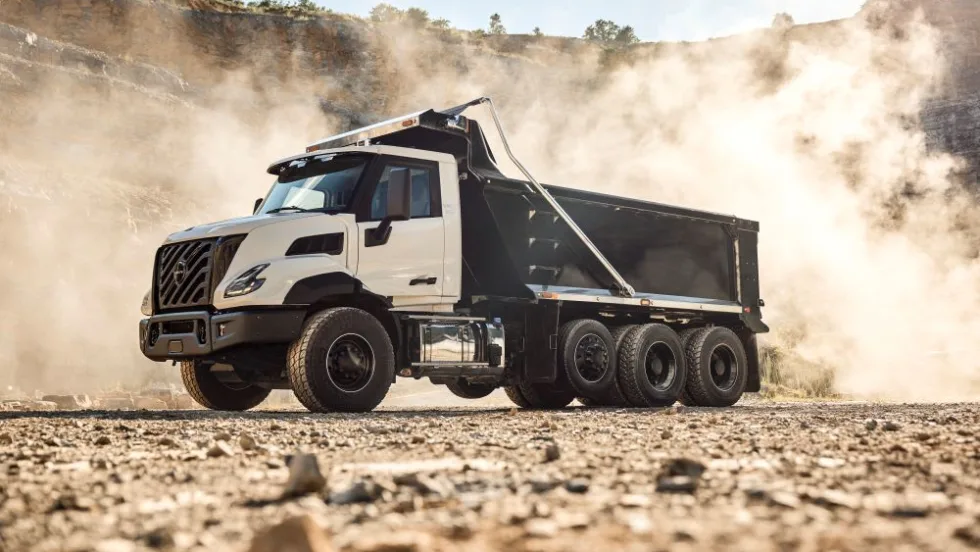
The Volvo VNX features standard forward pedestrian detection that continuously scans for people in the truck's path, and optional blind-spot detection, now available on both sides.

Government Fleet Sales Fall in August Despite Year-to-Date Gain
Government fleet sales declined in August, but stronger year-to-date truck and SUV sales kept the overall 2026 total ahead of last year.

June Government Vehicle Sales See a Jump in Numbers
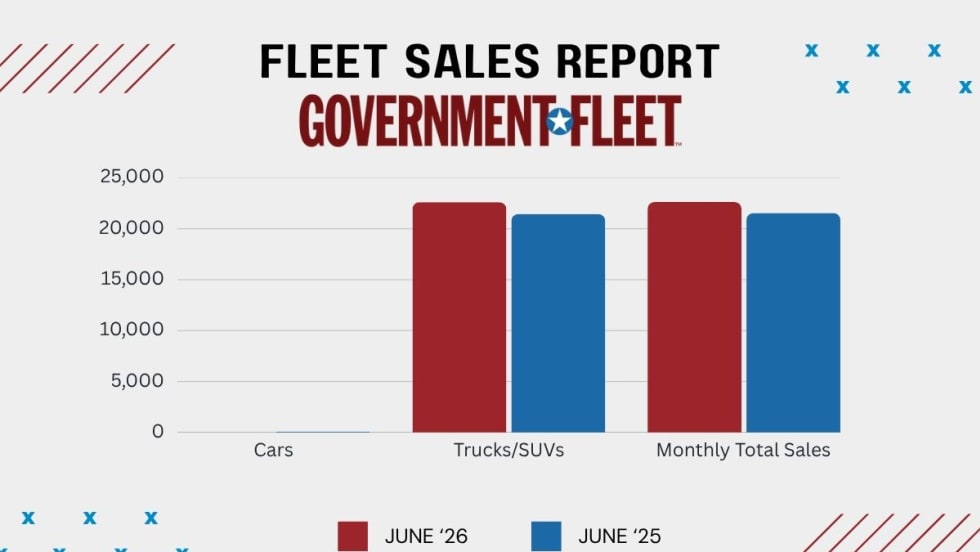
There were a reported 22,626 government fleet vehicles sold in June compared to 21,539 vehicles sold in June 2025.
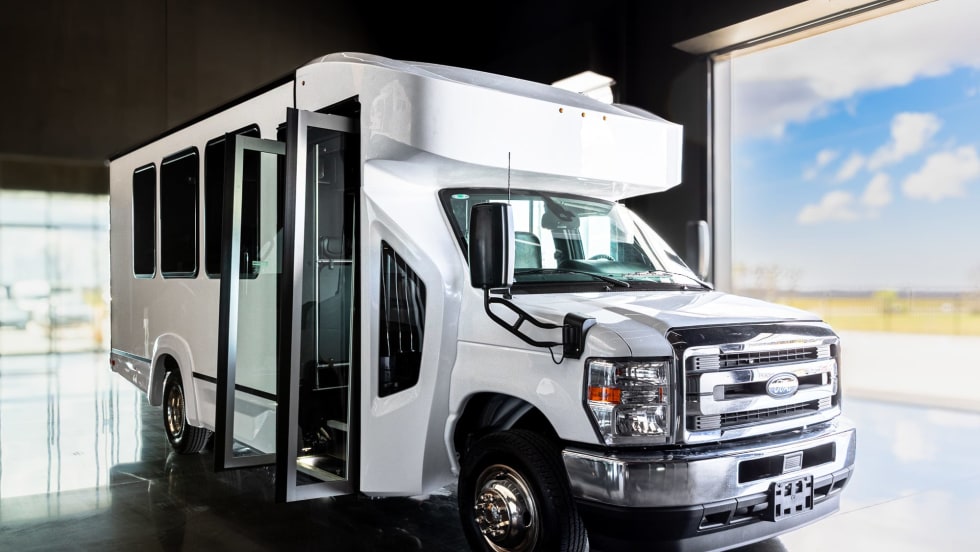
Master's Motors Introduces Shuttle Buses for Government and Commercial Fleets
Master's Motors has introduced two new shuttle bus models aimed at government and commercial fleet operators. The buses incorporate updated structural and accessibility features while offering configurable layouts for a variety of passenger transportation applications.
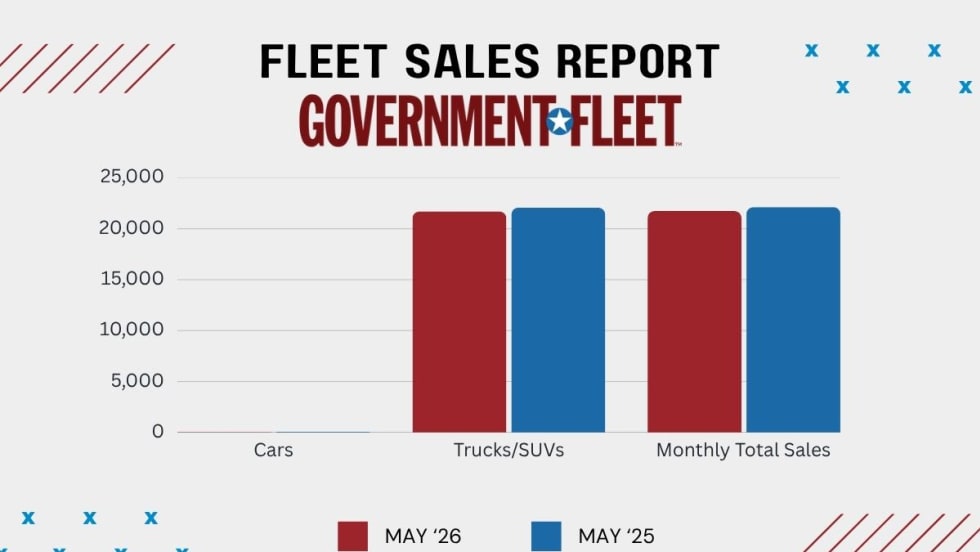
May Government Fleet Sales Slip Below 2025 Pace
Despite last month's sales increase, May vehicle numbers took a downward turn.
April 2026 Recall Roundup: Chrysler, Lucid, & More
Are any of the vehicles in your fleet recalled? Check out the latest recalls of popular government fleet vehicles and equipment.
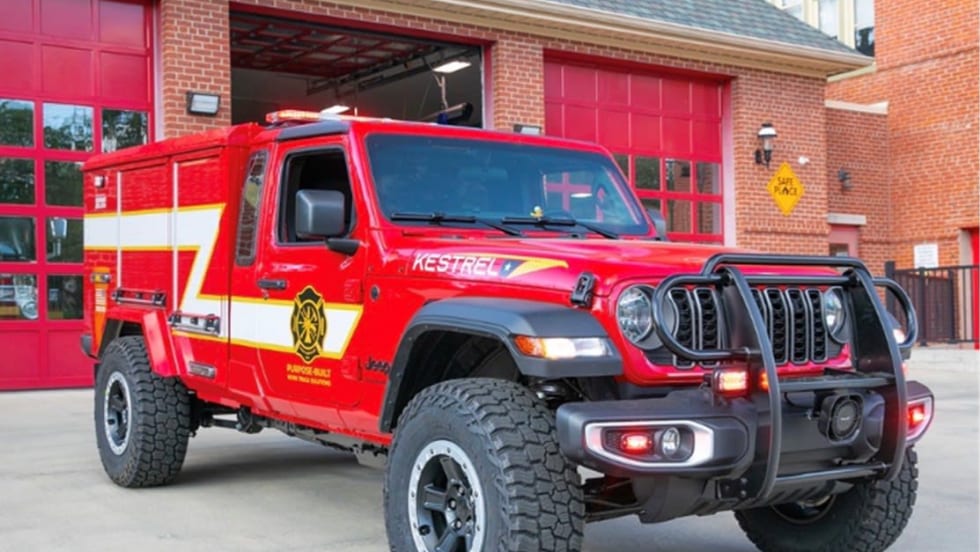
Kestrel Work Truck for First Response Debuts at FDIC 2026
Morgan Olson introduced its Kestrel platform, a compact, four-wheel-drive Class 2 work truck designed for first responders, with multiple configurations, validated safety testing, and a focus on durability and fleet lifecycle performance.
Government Fleet Vehicle Sales Rise In March
Government fleet vehicle sales increased by 1% in March, up from March 2025.