




Cities, Counties Testing Hydraulic Hybrid Technology in Refuse Trucks
CLEVELAND, OH – A number of cities and counties are testing hydraulic hybrid technology in refuse trucks. Miami-Dade county has reported significant fuel savings.
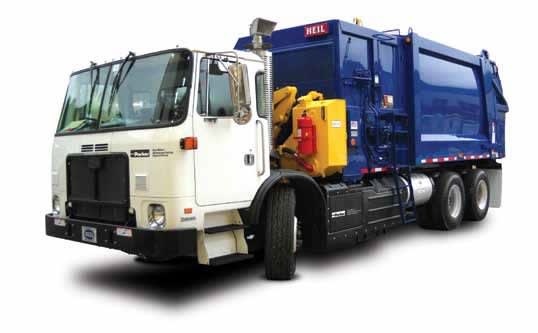
The Cities of Hialeah, Hawaii, Miami, and Miami Date County have purchased a total of 11 refuse trucks that use hydraulic hybrid technology.
CLEVELAND, OH – A number of cities and counties are testing hydraulic hybrid technology in refuse trucks and have reported significant fuel savings. So far, the Cities of Hialeah, Hawaii, Miami, and Miami-Dade County have purchased a total of 11 refuse trucks that use this technology.
According to a release from Parker Hannifin Corp, a company that has developed a version of this new technology, which it calls RunWise, has been placed on the EPA’s National Clean Diesel Campaign's Emerging Technologies List. The company developed and tested the technology with support from the EPA at its National Vehicle and Fuel Emissions Laboratory in Ann Arbor, Mich. Chrysler has also partnered with EPA to develop a version of this technology for light-duty vehicles.
"What we are seeing right now is a 45 percent fuel reduction,” stated Danny Diaz, director of fleet management for Miami Dade County, which purchased six Autocar E3 refuse vehicles equipped with the RunWise technology. “With automated garbage trucks in this type of stop and go application, the fuel economy is typically very poor on a traditional vehicle. The savings we are seeing is significant when you look at the long-term with these hybrid trucks and the uptime has been running at very high levels."
Parker stated its RunWise Advanced Series Hybrid Drive is designed to recover up to 70 percent of the energy lost during braking to power the vehicle. The company said it uses a two-speed hydrostatic drive, combined with a mechanical direct drive, which allows the vehicle to optimize performance at low and high speeds. Parker said UPS and Fed Ex have ordered a variation on the technology for use on delivery vehicles scheduled to be on the road in 2011.
More Operations

Hazard Alerts, Fleet Car Sales Rise and a New Shuttle Concept
Fleet car sales doubled, but the bigger picture tells a different story in this week’s roundup.
Read More →
How St. Johns County Turned Fleet Data Into Better Replacement Decisions
St. Johns County, Florida, had fleet data, but turning it into reliable decision guidance was another matter. Instead of starting over with a new fleet management system, the county connected existing tools and built a scoring system that gives managers an objective look at fleet health.
Read More →
Fleet Forward Conference Introduces One-Day Passes for 2026
New one-day registration lets fleet professionals attend Tuesday, Wednesday, or Thursday, with passes available for $249.
Read More →
ENC Unveils its ZAVIR Medium-Duty Shuttle
Two variants of the concept shuttles were revealed: a low-floor configuration and a high-floor configuration.
Read More →
Could Your Next Fleet Technician Start as an Intern?
What if your next technician hasn’t worked in a fleet shop yet? What fleets are doing to free up time.
Read More →
How Phoenix Is Building Its Next Generation of Fleet Technicians
With more than 8,000 vehicles and pieces of equipment to maintain, the City of Phoenix could not afford to wait for fully trained technicians to walk through the door. Instead, they revamped their entire workforce strategy and showed how public fleets can create their own talent pipeline while preparing existing employees for increasingly complex vehicles.
Read More →
What’s Slowing Your Fleet Down?
Could a change in how work gets done help your fleet return vehicles to service sooner?
Read More →
Can Public Fleets Trust the Data Driving Their Decisions?
Public fleets have more data than ever, but inconsistent records and missing information can still undermine maintenance, replacement, and cost decisions.
Read More →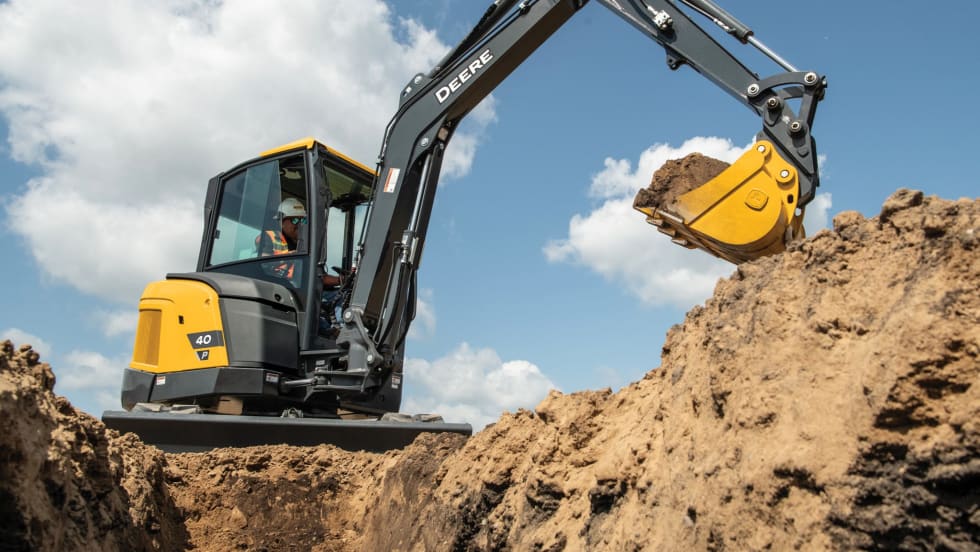
John Deere Introduces 40 P-Tier Compact Excavator
John Deere is adding a compact excavator designed for crews that need to move equipment between jobsites and handle multiple types of work with one machine. The 40 P-Tier weighs less than 10,000 pounds and offers configurable hydraulics, attachment options, and connected fleet-management capabilities.
Read More →
How Leading Fleets Improve and Why Business Plans Matter
This week, we look at what past Leading Fleet winners can teach us about making progress, plus how to build a business plan your fleet will actually use.
Read More →