




2012 Equipment Thefts Surpass 10K
According 2012 Equipment Theft Report, a total of 10,925 thefts were reported to law enforcement, a decline of 7% from 2011. Of the stolen equipment, only 2,204 units were recovered.
The 2012 Equipment Theft Report discovered a 7 percent decrease in thefts over last year.
The 2012 Equipment Theft Report discovered a 7 percent decrease in thefts over last year.
Heavy equipment thefts have declined 7% from 2011 with a total of 10,925 thefts reported to law enforcement in 2012, according to the Equipment Theft Report from the National Insurance Crime Bureau and the National Equipment Register (NER), which has released the 2012 Equipment Theft Report.
The top states with the most incidents of heavy-equipment thefts were Texas (1,401), North Carolina (1,037), Florida (890), California (686), Georgia (595), and South Carolina (595).
Heavy equipment manufactured by John Deere was the number one theft target in 2012 followed in order by Kubota Tractor Corp., Bobcat, Caterpillar, and Toro.
The three most stolen heavy equipment items in 2012 were mowers, loaders, and tractors. Equipment was more often stolen when left of others' premesis than on the insured users' premesis. Also, theft is most common in the summer months.
Only 20% of heavy equipment stolen in 2012 was recovered, for a total of 2,204 recoveries.
Several factors contribute to a high level of equipment theft, including the value of heavy equipment, poor equipment and site security, opportunities to sell stolen equipment in the used-equipment market, low risk of detection and arrest, and lenient penalties for thieves if prosecuted and convicted.
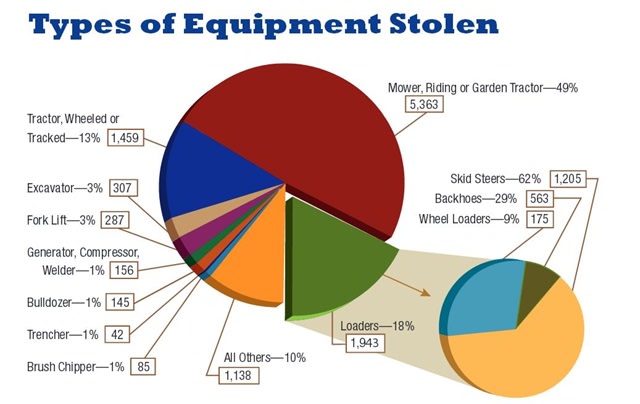
Source: 2012 Equipment Theft Report
The NICB urges equipment owners to incorporate theft prevention strategies into their business practices and recommends the following theft prevention tips:
Install hidden fuel shut-off systems.
Remove fuses and circuit breakers when equipment is unattended.
Render equipment immobile or difficult to move after hours or on weekends by clustering it in a "wagon circle." Place more easily transported items, such as generators and compressors, in the middle of the circle surrounded by larger pieces of equipment.
Maintain a photo archive and a specific list of the PIN and component part serial numbers of each piece of heavy equipment in a central location. Stamp or engrave equipment parts with identifying marks, numbers, or corporate logos.
Use hydro locks to fix articulated equipment in a curved position, preventing it from traveling in a straight line.
Use sleeve locks to fix backhoe pads in an extended position, keeping wheels off the ground.
The report examines heavy equipment theft data submitted by law enforcement to the National Crime Information Center (NCIC) and profiles that data according to theft state, theft city, theft month, equipment manufacturer, equipment style, and year of manufacture.
View the entire 2012 Equipment Theft Report here.
More Equipment
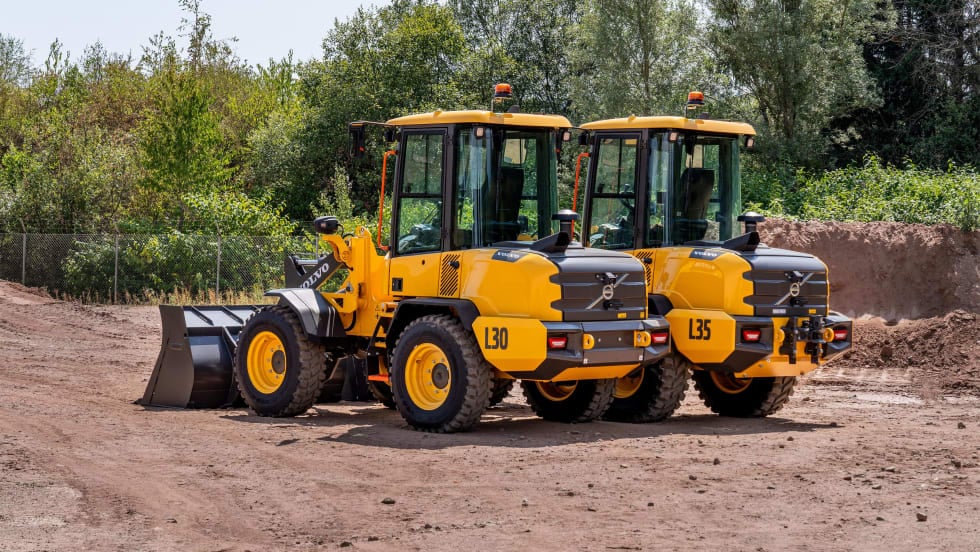
Volvo Updates L30 and L35 Compact Wheel Loaders With Redesigned Rear Frame
The updates aim to provide customers with more flexibility to use the machines for different jobs while improving service access and everyday operation.
Read More →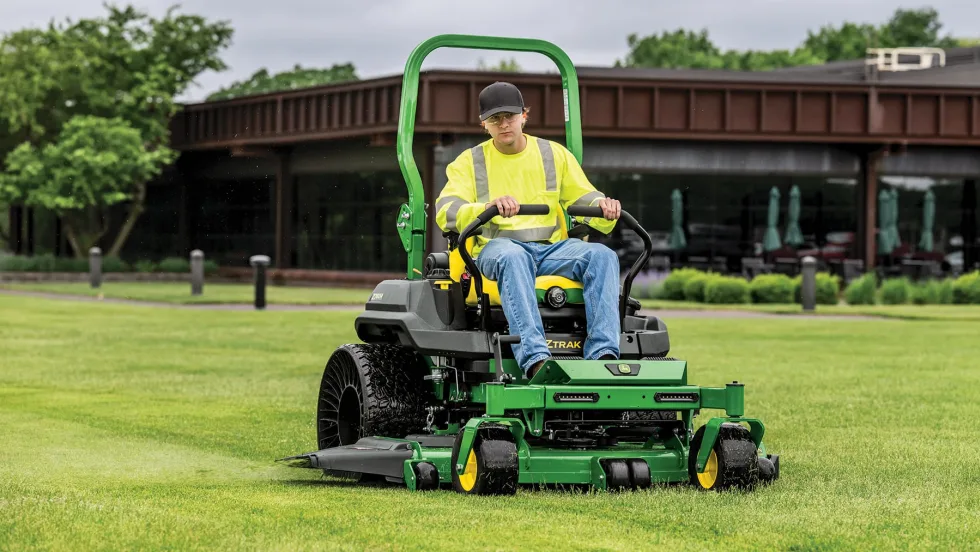
John Deere Updates Z700 ZTrak Commercial Mower Lineup
Public agencies responsible for maintaining large properties have several updated mower options from John Deere. The refreshed Z700 ZTrak lineup adds upgraded engines, transmissions, mower decks, and operator features across four models.
Read More →
Stellar Industries Acquires Midwest Fire
The acquisition brings a manufacturer of custom fire apparatus under Stellar Industries, expanding the work-truck manufacturer into the fire and emergency response market. Midwest Fire will continue operating from its existing Minnesota headquarters as a distinct company.
Read More →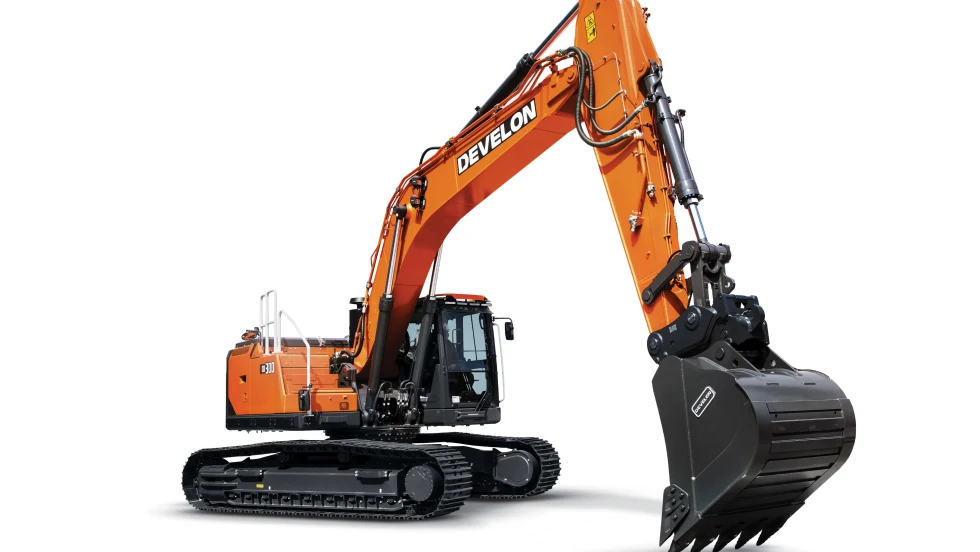
DEVELON Adds DX300LC-9 Excavator to -9 Series
For public works operations handling infrastructure, road, and utility projects, DEVELON has added a new 33-metric-ton excavator to its equipment lineup. The DX300LC-9 combines updated controls with technology designed to address operator safety, equipment monitoring, and machine operation.
Read More →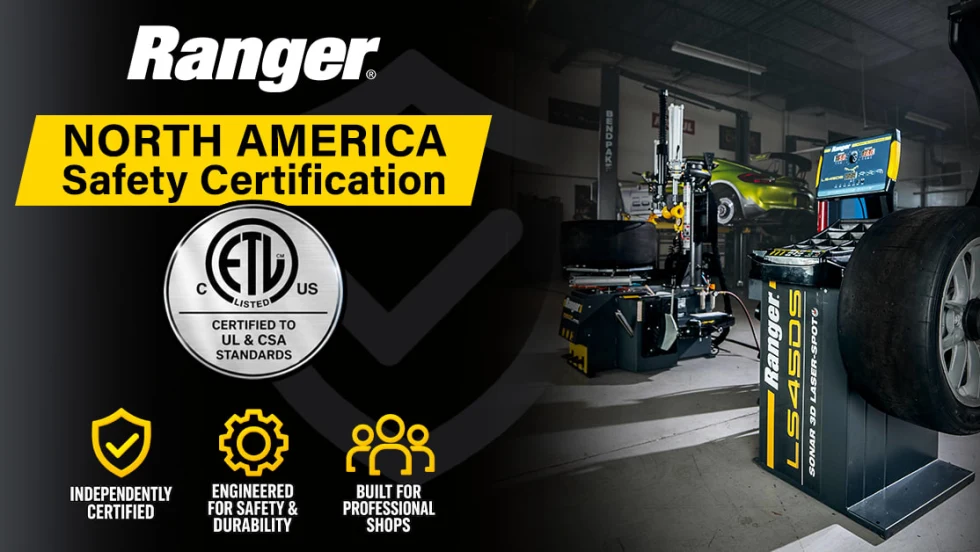
BendPak Ranger Wheel Service Equipment Receives Safety Certification
Equipment used every day in fleet maintenance shops comes with its own set of safety considerations. Following an 18-month redesign and testing process, BendPak's Ranger tire changers and wheel balancers have received certification to applicable U.S. and Canadian safety standards.
Read More →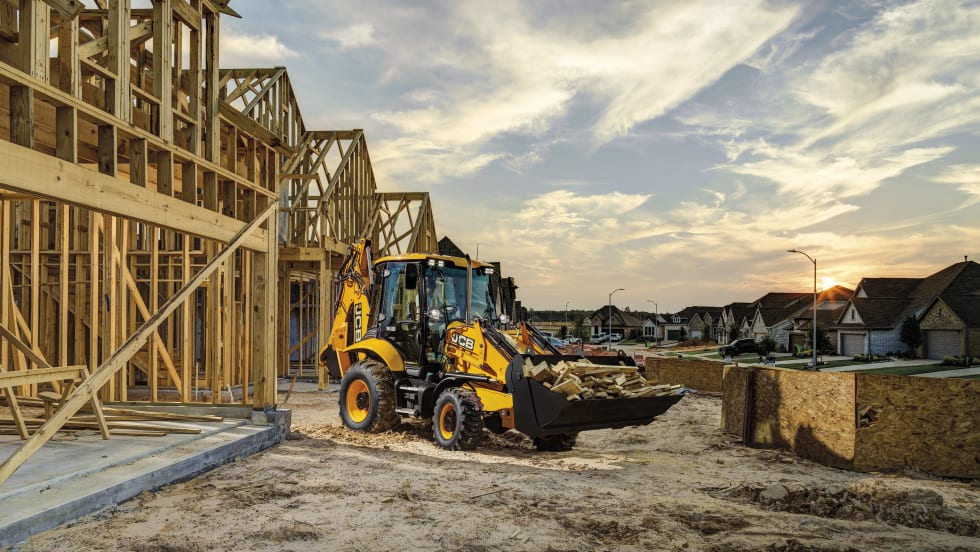
JCB Introduces Dual Drive System for Backhoe Loaders
Public works operators traditionally switch positions and controls each time they reposition a backhoe during excavation. JCB's new Dual Drive system is designed to allow operators to move the machine while remaining at the excavator controls.
Read More →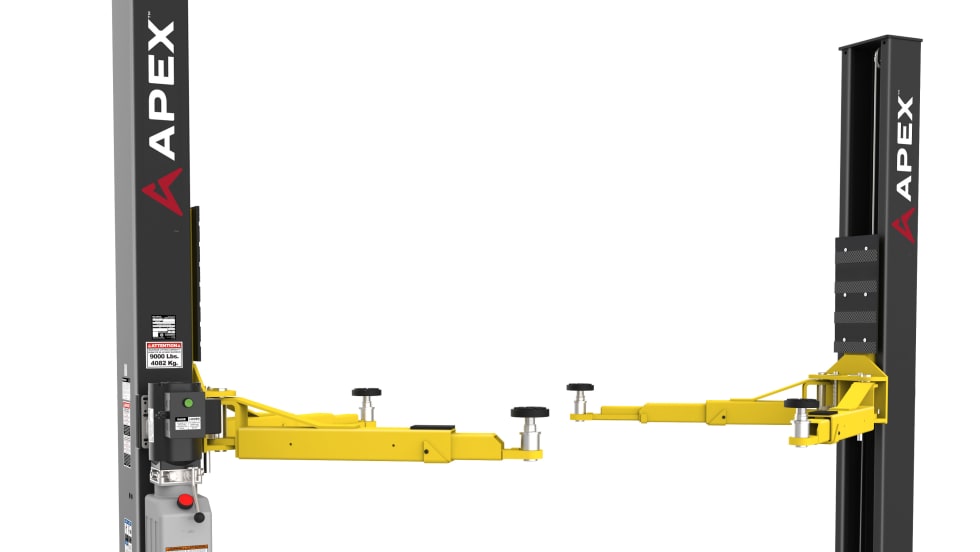
APEX by BendPak Launches AL9LC Two-Post Lift
The new low-ceiling floorplate car lift is designed to maximize overhead clearance for fleets.
Read More →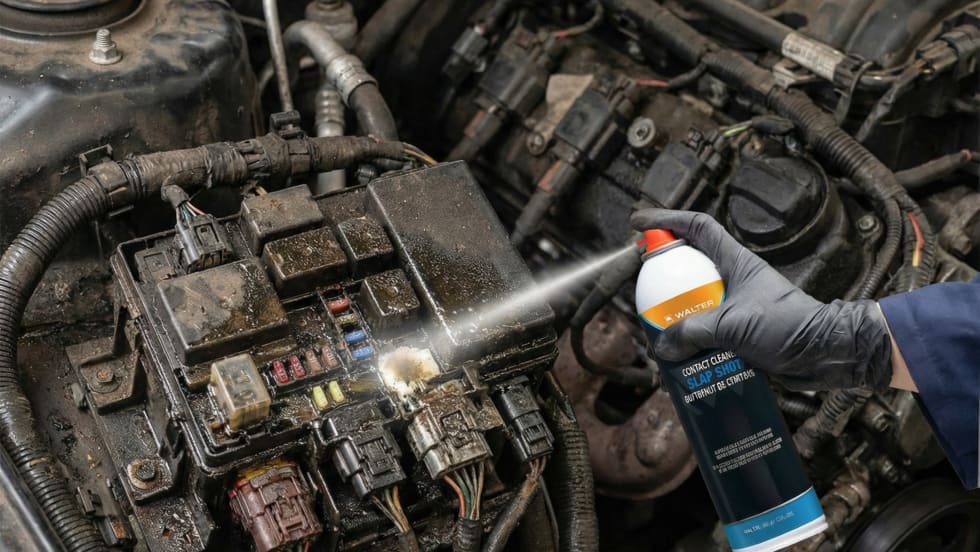
New Slap Shot Contact Cleaner: Heavy-Duty Cleaning Power Without the Residue
Slap Shot Contact Cleaner combines fast contaminant removal, rapid evaporation, moisture displacement, no-wipe cleaning, non-conductive performance, and residue-free cleaning into a single solution.
Read More →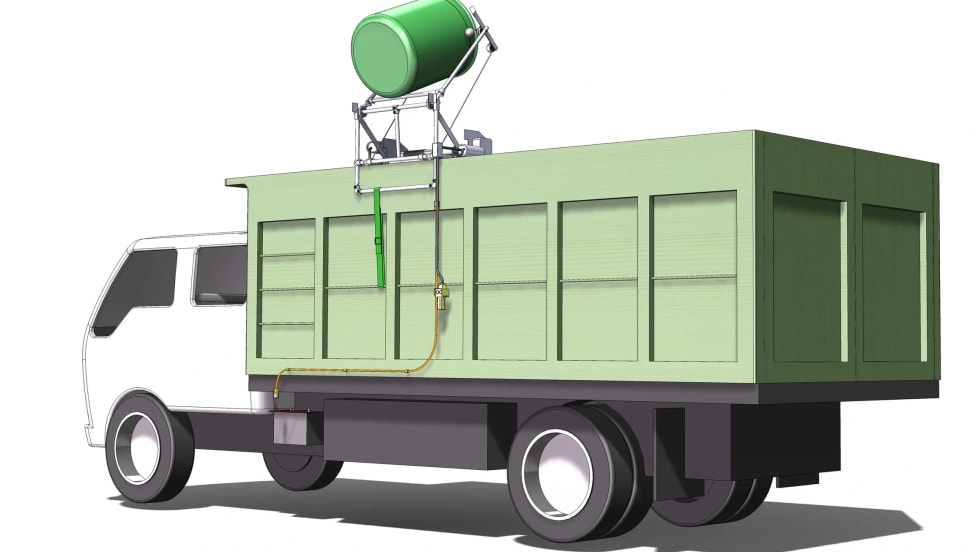
New Powered Carry Barrel Lift Helps Crews Dump Heavy Barrels Into Trucks With Less Manual Lifting
The Carry Barrel Lift is a new truck-mounted attachment designed to help landscape and municipal crews lift and dump heavy 60-gallon barrels more efficiently while reducing manual strain.
Read More →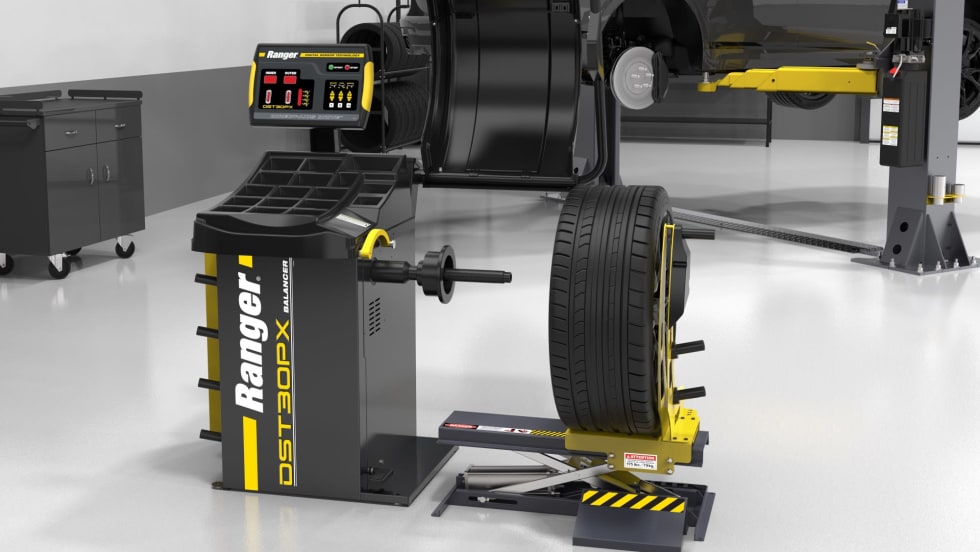
New Ranger RWL175 Universal Wheel Lift Delivers Faster, Safer Mounting on Most Wheel Balancers
Ranger’s new RWL175 Pneumatic Wheel Lift is designed to help technicians safely mount wheel assemblies up to 175 pounds while reducing strain and improving shop efficiency.
Read More →