




What's the Future of Transportation?
Often, innovation is driven by the private sector. But public sector agencies are also leading the way in designing transportation systems for the future.

Can you imagine what transportation will look like in the future?
There are autonomous cars, drone delivery, and wireless charging for electric vehicles. There’s the potential expansion of high-speed rail in the U.S., or the increased efficiency of mass transit. There’s the potential for reduced or eliminated car ownership. Maybe we’ll all be driving electric or hydrogen-powered cars. Elon Musk announced he’d like to build tunnels to transport vehicles using high-speed electric sleds, and potentially using those tunnels for his hyperloop concept. All this, and I’m still amazed I can get a ride with a few taps on my phone via a ride-hailing app.
As many fleet managers have said: It’s an exciting time to be in the transportation industry.
What Agencies Are Doing
Often, innovation is driven by the private sector. But public agencies are also leading the way in trying out new technologies and designing transportation systems for the future. Sure, public fleets have been testing out cars for OEMs for a while, or are often some of the first adopters of new vehicle technologies. But with increasing vehicle autonomy, increasing connectivity of vehicles and infrastructure, and advancements in alternative-fuel vehicles, they can make more of an impact than ever before.
In this issue, we highlight autonomous vehicles. Agencies are actually testing out or making clear steps toward adding self-driving vehicles to their fleets.
New York City’s Department of Transportation, the Tampa-Hillsborough Expressway Authority in Florida, and the Wyoming DOT are piloting connected vehicle technology by deploying both vehicle-to-vehicle and vehicle-to-infrastructure technologies. In a combined effort with the U.S. DOT, they’re installing aftermarket devices in thousands of vehicles (including fleet vehicles) that will be able to wirelessly communicate with other vehicles, with smartphones, and with infrastructure.
Last year, the City of Columbus, Ohio, won the $50 million Smart City challenge to “reinvent mobility.” Its projects include connected vehicles, a transit-pedestrian collision avoidance system, electric autonomous vehicles that will connect transit riders to first and last mile stops, and tech-enabled parking permits.
The Volkswagen emissions settlement has the OEM spending $2 billion over the next 10 years in zero emission vehicle (ZEV) infrastructure and education — $800 million of this is going to California alone. Funding has been set aside for two “Green Cities” in California. The lead contender for the first $44 million fund hopes to deploy about 700 electric vehicles as well as charging infrastructure.
Shaping the Future
It seems predictions for when self-driving vehicles will be available are all over the place. At the NAFA I&E this year, I sat in a session about autonomous vehicles with a young fleet manager who was skeptical. Self-driving vehicles are light years away, at least for fleet, he said.
My thought is, this may be true, but technology can advance at an astonishing rate. These projects public agencies are involved in are just the beginning stages of a major change in mobility. Government agencies, in working with private companies, testing products, encouraging and funding projects, and shaping the vision of what this future can be, are one of the factors pushing us toward a transportation future we can only dream about now.
What’s your vision of the future of transportation?
More Blog Posts
Understanding the Road to Improved Operations
Every fleet has goals, but meaningful progress depends on knowing where the operation stands and continuing forward when the path changes.
Read More →
Navigating the Crossroads of Data and New Technologies
As data volumes increase and emerging technologies advance, where do government fleets stand? Takeaways from Samasara Go Beyond Public Sector 2026.
Read More →
When the Roadblocks Hit, Where is Your Inspiration?
It can be easy to get caught up in the busy day-to-day of fleet, but when the problems pile up, that's when it's time to find the motivation to keep going.
Read More →
Is it Time for Change or Consistency?
Consistency can be good, but there comes a time when you have to step back and ask whether what you’re doing is the best approach.
Read More →
Blink and You’ll Miss It: Fleet Reflections from 2025
A note as we leave behind 2025 and plan for new ventures heading into 2026.
Read More →
It’s Far Worse Than a Technician Shortage…
A letter to government fleet leaders on the technician gap and how to rebuild the pipeline that keeps public services running.
Read More →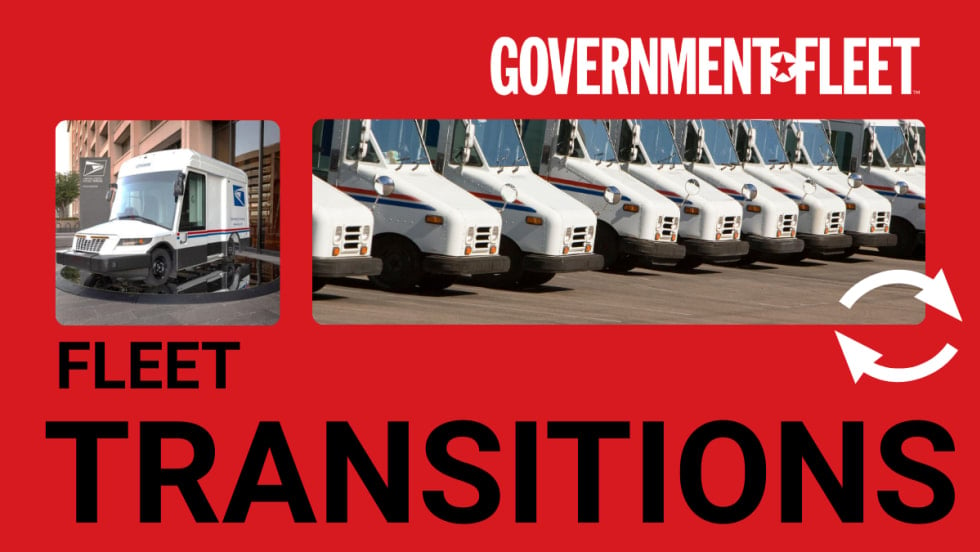
Public Perception of Your Fleet Changes
How fleet transitions shape public perception and how a well-managed rollout can influence your fleet's narrative.
Read More →
The Balancing Act: Stability vs. Shifting Leadership Priorities
With the revolving door of government leadership bringing new priorities fleets are expected to pivot, even if those pivots undermine long-term planning.
Read More →
How Technology is Driving Upgrades in the City of Columbus Fleet Operations
How the city of Columbus fleet has embraced change as a strategic driver, using technology to revolutionize how the fleet fuels, tracks, and measures performance across a 260-square-mile service area.
Read More →
At the End of the Day, Be Good to Yourself
When the stresses of your work life become too much, don't forget to prioritize yourself and find balance in each day.
Read More →