




The Cost of Extending Equipment Lifecycles
We have all heard of the potential negative consequences of extending our equipment lifecycles to accommodate current budget pressures. For the most part, fleet managers tend to express their concerns about an aging fleet in terms of increased workloads, parts costs, and reduction of return on investment. But there is another aspect to maintaining an aging fleet…the need to attract and retain an experienced workforce.

We have all heard of the potential negative consequences of extending our equipment lifecycles to accommodate current budget pressures. For the most part, fleet managers tend to express their concerns about an aging fleet in terms of increased workloads, parts costs, and reduction of return on investment. But there is another aspect to maintaining an aging fleet…the need to attract and retain an experienced workforce.
Generally speaking, older fleets require more experienced mechanics to maintain. When you have a fleet that is maintained within lifecycle you can usually predict what maintenance issues will arise within the course of its service. However, older fleets become exponentially more difficult to maintain as they continue to age. Wiring harness problems, faulty sensors, and internal engine/transmission failures place more significance in the mechanic’s diagnostic abilities.
Recently, I was conducting interviews to fill a junior mechanics position. Because of the economy, I had my choice of many qualified applicants. Some of them had experience well in excess of most of my current staff. Obviously, these people were out of a job and needed the work, so hiring them at the starting salary would not have been an issue. But I decided not to take the easy way out and instead fought with my Human Resources staff to hire the applicant at mid-point of the salary range. I did that not only because of his qualifications, but also to keep him when the economy eventually turns around. While many other city departments looked for just a body to fill a position, I needed to have an experienced professional who knows what they’re doing.
I guess the point I am trying to make is that when you hire someone, don’t pay them for the here and now, compensate them according to their true net worth to your organization. While there are a lot of experienced mechanics out there who would jump at the chance to obtain employment at any salary, they would also likely to be the first employee to jump-ship in better times.
Lastly, have one of your Human Resources staff members present during the interviews potential of candidates. Develop a list of specific technical questions that will accurately probe the applicant’s level of diagnostic knowledge. I did, and because the HR staff member personally witnessed the importance of a mechanic’s diagnostic intellect, he was able to gain a better understanding of my requirements and become an advocate for my salary proposal.
More Blog Posts
Understanding the Road to Improved Operations
Every fleet has goals, but meaningful progress depends on knowing where the operation stands and continuing forward when the path changes.
Read More →
Navigating the Crossroads of Data and New Technologies
As data volumes increase and emerging technologies advance, where do government fleets stand? Takeaways from Samasara Go Beyond Public Sector 2026.
Read More →
When the Roadblocks Hit, Where is Your Inspiration?
It can be easy to get caught up in the busy day-to-day of fleet, but when the problems pile up, that's when it's time to find the motivation to keep going.
Read More →
Is it Time for Change or Consistency?
Consistency can be good, but there comes a time when you have to step back and ask whether what you’re doing is the best approach.
Read More →
Blink and You’ll Miss It: Fleet Reflections from 2025
A note as we leave behind 2025 and plan for new ventures heading into 2026.
Read More →
It’s Far Worse Than a Technician Shortage…
A letter to government fleet leaders on the technician gap and how to rebuild the pipeline that keeps public services running.
Read More →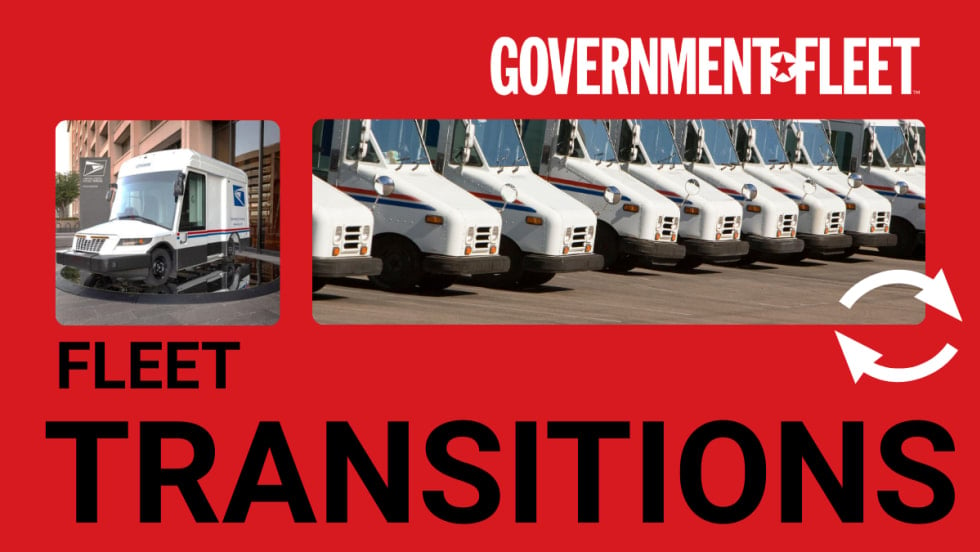
Public Perception of Your Fleet Changes
How fleet transitions shape public perception and how a well-managed rollout can influence your fleet's narrative.
Read More →
The Balancing Act: Stability vs. Shifting Leadership Priorities
With the revolving door of government leadership bringing new priorities fleets are expected to pivot, even if those pivots undermine long-term planning.
Read More →
How Technology is Driving Upgrades in the City of Columbus Fleet Operations
How the city of Columbus fleet has embraced change as a strategic driver, using technology to revolutionize how the fleet fuels, tracks, and measures performance across a 260-square-mile service area.
Read More →
At the End of the Day, Be Good to Yourself
When the stresses of your work life become too much, don't forget to prioritize yourself and find balance in each day.
Read More →