




Technician vs. Mechanic
While you may think it doesn’t matter what technicians are called if they get the same pay, moving toward the technician title adds professionalism to the industry and better reflects what modern technicians actually do.

Do you still call a restaurant server a waiter? What about a flight attendant — a stewardess? Is a nail technician a manicurist? And are your agency’s fleet technicians called mechanics?
Although many fleets have technicians working on the shop floor, many others call these same employees mechanics. Is there a difference? While you may think it doesn’t matter what technicians are called if they get the same pay, moving toward the technician title adds professionalism to the industry and better reflects what modern technicians actually do.
Paul Condran, fleet services manager for the City of Culver City, Calif., believes the mechanic title is outdated for the duties of fleet technicians.
“I was always of the opinion that the term mechanic really didn’t denote what my staff was actually responsible for,” he said. “We use so many advanced technologies, like vehicle technology and computer technology, well beyond alternative fuels. The electronic systems on transit vehicles, on refuse trucks, and on other fleet units continue to change.”
Three years ago, he changed staff titles, moving from mechanic, assistant mechanic, and equipment service worker to sr. fleet services technician, fleet services technician, and fleet services assistant.
It’s a way to distinguish from facilities that may only do preventive maintenance and also to show that these employees don’t just perform fluid changes, but are resonsible for vehicles from acquisition to remarketing.
About 10 years ago, he also had the division name changed from the City Garage to Equipment Maintenance and Fleet Services Division.
“We’re not some place you park your car in, first of all,” he explained. And garage “conjured up some old, dingy facility that wasn’t really a modern, well-maintained, clean facility.”
While it’s rare, I do see some fleets called garages, and I always make a note of it because the term seems outdated.
I understand that every fleet or garage has its own way of labeling things. I had my brakes replaced at a facility that seemed to use both terms, mechanic and technician, depending on skill set.
Maybe your “mechanics” don’t care all that much. What’s the big deal anyway, right?
But think about how those outside the industry view these titles. Does your fleet website talk about technicians or mechanics? Does your HR department recruit technicians or mechanics? Does a city council document list a recommendation from fleet or from the garage? Could one term suggest more professionalism than the other?
By pushing forward a name that leaves a more professional impression of the organization, and perhaps more accurately reflects the evolved job responsibilities of your technicians, you’re helping move the industry forward.
Between that and fleet managers advocating for higher pay for public sector technicians, in the form of job reclassification, certification incentives, and perhaps additional pay for specific skill sets, the public fleet industry can become a place where people aspire to work.
I’ll admit I still sometimes refer to the server as a waiter. But the more I hear the new terms, the more likely I’ll repeat them.
“What’s in a name?” Shakespeare asked. That may work for roses, but if you’re trying to make some changes to the fleet industry, a name can mean a lot.
What are your thoughts? Did you push for switching from “mechanic” to “technician,” and what motivated you to do so?
More Blog Posts
Understanding the Road to Improved Operations
Every fleet has goals, but meaningful progress depends on knowing where the operation stands and continuing forward when the path changes.
Read More →
Navigating the Crossroads of Data and New Technologies
As data volumes increase and emerging technologies advance, where do government fleets stand? Takeaways from Samasara Go Beyond Public Sector 2026.
Read More →
When the Roadblocks Hit, Where is Your Inspiration?
It can be easy to get caught up in the busy day-to-day of fleet, but when the problems pile up, that's when it's time to find the motivation to keep going.
Read More →
Is it Time for Change or Consistency?
Consistency can be good, but there comes a time when you have to step back and ask whether what you’re doing is the best approach.
Read More →
Blink and You’ll Miss It: Fleet Reflections from 2025
A note as we leave behind 2025 and plan for new ventures heading into 2026.
Read More →
It’s Far Worse Than a Technician Shortage…
A letter to government fleet leaders on the technician gap and how to rebuild the pipeline that keeps public services running.
Read More →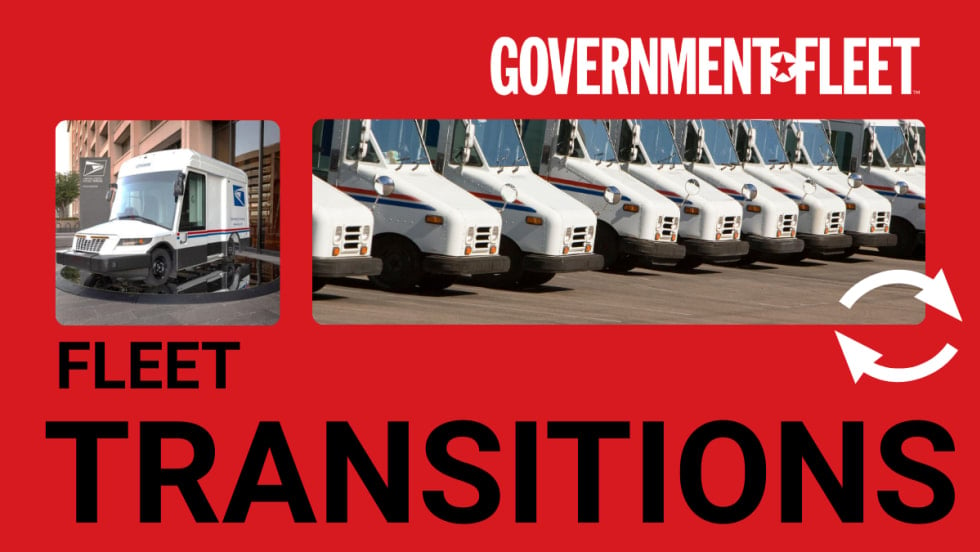
Public Perception of Your Fleet Changes
How fleet transitions shape public perception and how a well-managed rollout can influence your fleet's narrative.
Read More →
The Balancing Act: Stability vs. Shifting Leadership Priorities
With the revolving door of government leadership bringing new priorities fleets are expected to pivot, even if those pivots undermine long-term planning.
Read More →
How Technology is Driving Upgrades in the City of Columbus Fleet Operations
How the city of Columbus fleet has embraced change as a strategic driver, using technology to revolutionize how the fleet fuels, tracks, and measures performance across a 260-square-mile service area.
Read More →
At the End of the Day, Be Good to Yourself
When the stresses of your work life become too much, don't forget to prioritize yourself and find balance in each day.
Read More →