




3 Things Government Fleets Should Know About Environmental Compliance
The San Bernardino County (Calif.) fleet has a dedicated regulatory environmental specialist on staff to help the fleet stay compliant. Here's what she says fleets should know.

Many emissions regulations are created with the greater good in mind. Be careful not to get stuck under a pile of documents in order to stay compliant.
Photo via Unsplash/Alexander Popov
Former No. 1 Fleet San Bernardino County, Calif., has a regulatory environmental specialist on staff to ensure the fleet is fully compliant with local, state, and federal regulations. Here are the three things she thinks government fleets should know in order to stay compliant.
1. Stay Up To Date on the Rules & Regulations that Pertain to Your Fleet
Be aware of ALL operations that run on a day-to-day basis in your fleet and see what rules and regulations apply to those operations. Is there an emissions cap on equipment? Can only certain pieces of equipment operate within your jurisdiction? Is there any available aid in your jurisdiction to upgrade to the newest, cleanest technology? What steps might you need to research for future regulation updates?
When keeping these questions in mind, it is easier to be proactive and be ahead of the regulation changes instead of being reactive when you might receive a violation or fine for not being up to date.
Another helpful tip is to be involved with rule and regulation changes by attending rule hearing meetings and developing relationships with rule planners. This helps your fleet’s voice be heard and brings some perspective as to what is attainable for most fleets.
2. Be Aware of Which Environmental Agencies Have Jurisdiction Over Your Fleet Operation
Whether it be federal, state, or local environmental agencies, it is critical to know which agencies apply to your fleet and how. It can be difficult to sort through which rules apply to public fleets and which pertain to private fleets. By simply reaching out to your air district, hazardous material compliance, or water board, fleets are able to communicate and figure out what rules and regulations apply to your organization.
The environmental agency’s goal is to keep your fleet in compliance, so work with the agency before you become non-compliant. This will allow your fleet to develop a relationship with the various environmental agencies that demonstrates how your fleet goes above and beyond for environmental compliance.
3. Familiarize Your Fleet With What Each Environmental Agency Does
One of the most frustrating things for environmental agencies is when a government agency has no understanding of the difference between the various environmental regulatory agencies.
Each environmental agency requires different inspections and different paperwork. If you show each environmental agency every document pertaining to your environmental compliance efforts, you will bog them down with unnecessary and unwanted work. By helping each agency retrieve the essential information for their inspection, it shows that your organization takes them seriously and they will be more willing to work with you and get you into compliance.
Even simply separating your environmental documents can set your fleet apart from the rest. This shows environmental agencies that your organization respects them and takes their mission seriously.
About the Author: Lauren Finwall is the regulatory environmental specialist for San Bernardino Fleet Management in California.
More Blog Posts
Now What Should We Do? Looking Beyond the Pinpoint Test
When a pinpoint test leads to a replacement that doesn’t fix the problem, technicians need to look beyond the instructions.
Read More →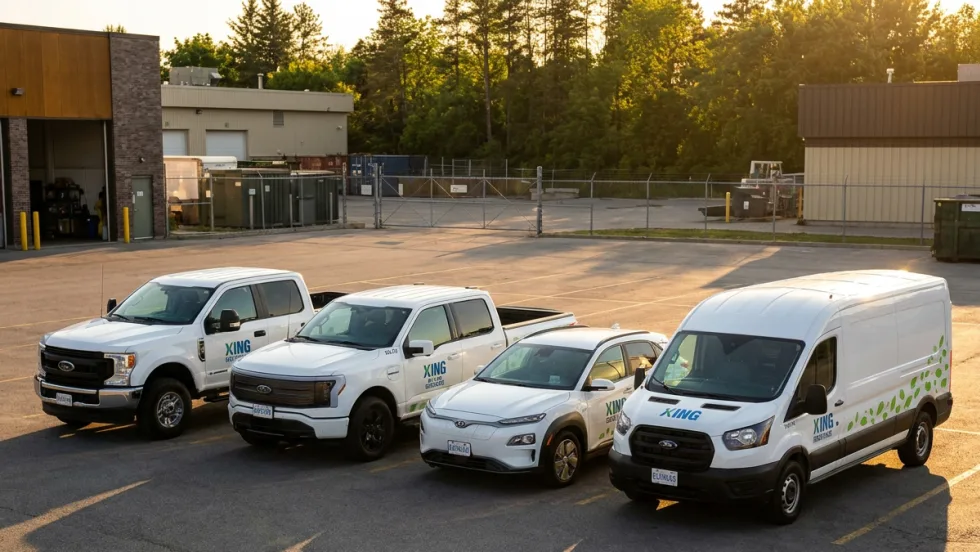
The Missing Link in Fleet Safety: Turning Data into Behaviour Change
Every municipal vehicle tells residents something about how their fleet is being managed. For King Township, Ontario, that visibility made speeding more than a driver performance issue.
Read More →
Flavor of the Decade: The End
As automakers pivot toward hybrids and extended-range models, the costly slowdown in battery-electric vehicle adoption raises questions about what comes next for the Big Three and government fleets.
Read More →
Why Technician Development Is a Retention Strategy
Clear development opportunities can help fleets show technicians how their skills and careers may progress within the organization.
Read More →
Building a Cross-Department Fleet Data Standard: What to Agree on First
As municipalities expand their use of fleet technology, the challenge is less about collecting data and more about making that data usable.
Read More →
7 Tips for Smarter Fleet Management
The potential to manage your fleet effectively while ensuring the safety of both employees and the community can often go untapped, but there are certain habits you can adopt to get to that point.
Read More →
Why Now Is the Time to Return to Government Fleet Expo
For fleet professionals who haven't attended GFX in a while, this year's event provides more than just education sessions and networking opportunities. From emerging leaders and innovative fleet strategies to industry recognition and peer-to-peer discussions, GFX 2026 reflects the changing landscape of public fleet operations.
Read More →
What to Expect at GFX
The Government Fleet Expo & Conference can be overwhelming in the best way possible. Whether you’re a first-time attendee or a returning fleet professional, these practical tips will help you plan ahead, stay energized, maximize networking opportunities, and make the most of every moment at GFX 2026 in Long Beach.
Read More →
How to Get the Most From an Industry Conference
A new strategy in how to present conference attendance justification for you and even for your staff and how you and they can benefit and even thrive in the conference environment.
Read More →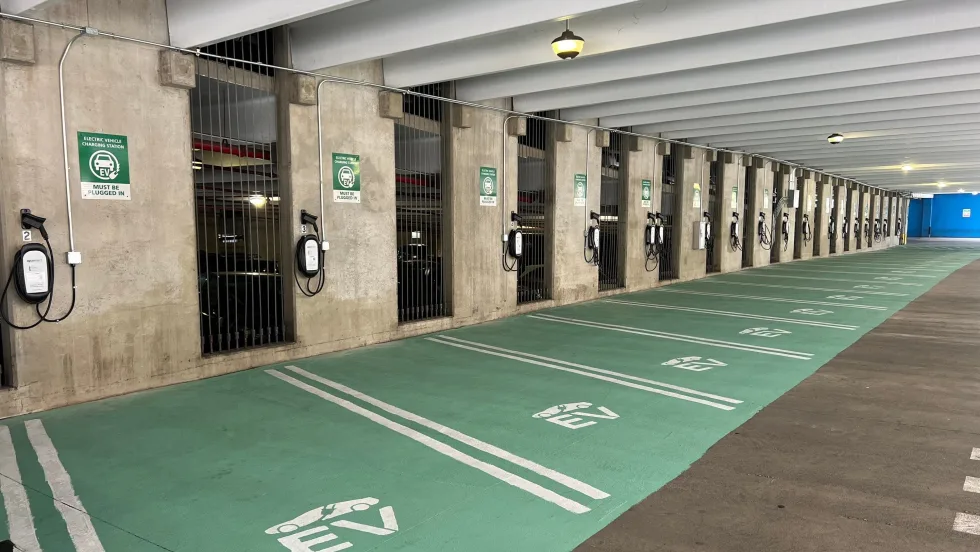
How Electric Vehicles as a Service Could Reshape Public Fleets
How the EV model can address concerns about meeting state mandates, cost, emissions and range anxiety.
Read More →