




Street Sweepers: 10 Mistakes Fleets Make When Spec’ing – And How to Avoid Them
A wide variety of options can make spec’ing a street sweeper a daunting task. Failing to identify a fleet’s individual needs and neglecting to research sweeper functions are two common errors.

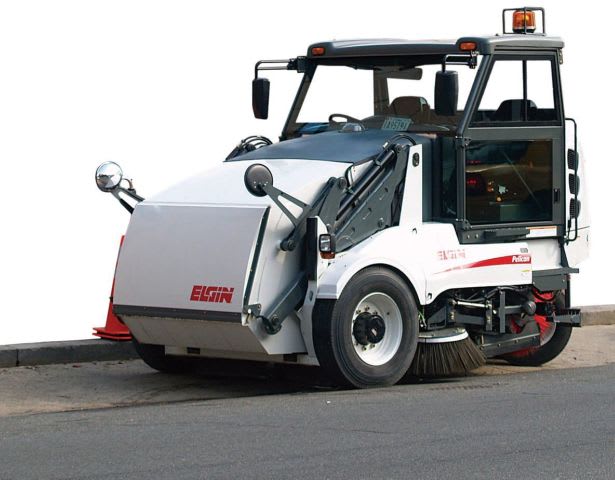
Carefully reviewing what drivers need for comfort can lead to more productive and efficient sweeper operations.

A wide variety of options can make spec’ing a street sweeper a daunting task. Here are 10 mistakes that fleets make during the spec'ing process.
Mistake #1: Not Knowing Your Needs
How to avoid: Street sweepers are designed to suit a wide variety of sweeping requirements. Some are made for urban settings, others for construction sites. Some travel highways, while others stick to city streets. Knowing your requirements before you shop for a sweeper helps point you in the right direction. Giles suggests reviewing the following details with the street maintenance department before making a purchase:
Required transport speed. How great is the distance between where the sweeper works and its overnight parking location? Does the sweeper required to travel at highway speeds?
Type of disposal. How is debris transported to the disposal site? Does the sweeper off-load into a truck transport debris to the disposal site?
Setting. What type of sweeping is performed (urban streets, highways, road construction, etc.)?
"Specific models should be chosen based on sweeping requirements," Giles said. "You can’t go wrong if you use the right tool for the right job."
Mistake #2: Not Doing Your Homework
How to avoid: Many fleet managers are responsible for large and diverse fleets. They may not know much about each individual vehicle and how it operates. Giles says it’s important fleet managers understand how sweepers function and what operators need from a vehicle.
"My best advice would be to learn about street sweeping and how sweepers work. Doing homework pays off big," Giles said. "I am always amazed by fleet managers and environmental managers who have no working knowledge of the science of sweeping or even how sweepers work."
Make sure you talk to the user department about which sweeper is best for its needs. Mistakes can generally be avoided by thorough research. Each fleet manager should understand the sweeping operation. What does and doesn’t work should be documented, analyzed, and used to help make the purchase decision.
Mistake #3: Buying the ‘Usual’ Equipment
How to avoid: Giles says one common mistake fleet managers make is purchasing equipment similar to what they already have, even if it’s not the best technology for their application. Just because it’s what you’ve "always had" doesn’t mean it’s the best option.
Taking a little time to research your needs and matching them to models on the market can make for a more efficient fleet — and happier operators.
Mistake #4: More Technology = A Better Sweeper
How to avoid: "Sometimes, well-meaning politicians will drive a purchase decision down to the fleet management level based on new technology or a new industry trend uncovered at a trade show or presentation," Giles said. "While a new technology may be great, if it doesn’t serve the real needs of the department, it may be a waste of resources."
That’s why it’s important for fleet managers to stay abreast of technological developments — and be prepared to discuss their usefulness (or lack thereof) with community leaders and the environmental community.
"Unfortunately, there are strengths and weaknesses associated with every type of sweeper technology, regardless of the manufacturer," Giles said. "Understanding how these strengths and weaknesses affect the sweeping program will help you make the most effective choice as to which type of sweeper to purchase."
Mistake #5: Skimping on Ergonomic ‘Luxuries’
How to avoid: While some features such as 10-disc CD players and heated seats are a luxury for any vehicle, some "extras" offered by street sweeper producers are a valuable investment. It’s important to evaluate which options can truly add value to the function of the sweeper and the operator.
"Comfortable operators are typically more efficient," Giles said. "I actually heard about a large U.S. city that removed the existing standard air conditioning system from the sweeper trucks because the snow plow trucks didn’t have air conditioning and the plow truck drivers said it wasn’t fair. Removing the air conditioning from the sweepers caused the vehicles to be operated with windows open, causing the cabs to fill with dust, which in turn ruined the sweeper controls — not to mention what it must have done to the drivers who had to breathe in all that dust."
Taking a careful look at what drivers need for comfort can lead to efficiency in the end.
To increase both sweeper and driver efficiency, Giles recommends fleet managers consider the following options:
In-cab side broom tilt: allows drivers to adjust the side broom from the cab to clean deep curbs without wasting time exiting and entering the vehicle.
Catch basin cleaner: allows an air-type sweeper to clean catch basins and any other tasks requiring vacuum loading.
Litter hose: allows air type and some mechanical-type sweepers to vacuum litter.
Hopper lining: hopper protector helps prevent wear and corrosion of the sweeper hopper.
High-pressure hose: provides a pressure washer system on the sweeper, useful for cleaning the sweeper as well as anything that needs pressure washing.
AM/FM CD player: "A happy operator is a productive operator," Giles said.
Air ride seats: "A comfortable operator is also a productive operator," Giles said.
Mistake #6: Choosing the Wrong Company
How to avoid: Researching a sweeper company is as important as analyzing a fleet’s particular needs. Giles recommends fleet managers should find out how long the company has manufactured sweepers, its relative financial strength, and whether adequate training and replacement parts is offered.
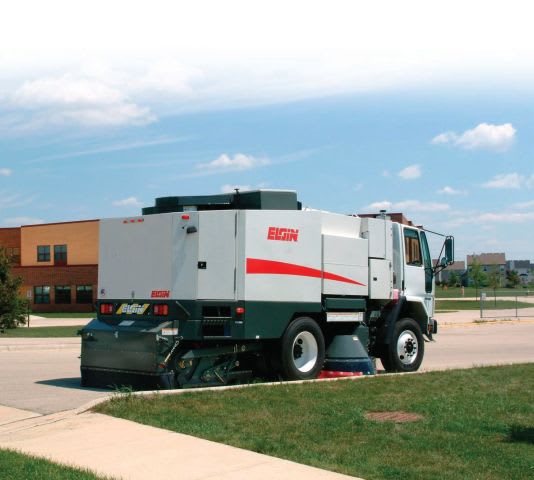
The low bid is not always the best bid, says Brian Giles, product manager at Elgin Sweeper. Fleet managers should review features, vendor company and manufacturer capabilities and reputation, and the sweeper operators input.
Mistake #7: Skipping the Demonstration Process
How to avoid: Giles says fleet managers should be involved in the demonstration process as much as possible. Fleet managers and other stakeholders involved in purchasing the equipment should schedule ample time with the sales representative during the process. The more you know about a sweeper and how it works, the more likely you’ll select the right one for your needs.
Mistake #8: Leaving out the Operator
How to avoid: Giles asks, "Would you buy a new car without driving it?" The same logic goes for buying a sweeper without involving the operator. They use the vehicles day in and day out and likely know what works better than anyone else in your fleet operation.
Why wouldn’t you involve them? Leaving the operator out of the purchasing equation can cause you to miss valuable insight into what works for your operation — and which options are simply a waste of money. Let at least one operator spend time using the equipment and getting a feel for which models offer the most value.
Mistake #9: Taking the Low Bid
How to avoid: Sure, the low bid presents the easiest purchasing choice if the only factors to consider are lowest versus highest cost. However, many more factors are at play when purchasing a sweeper. As Giles says, "The low bid is not always the best bid."
Fleet managers should review features, the vendor company, the manufacturer, and their operators’ opinions. In the end, a sweeper that provides high quality cleaning, efficient operation, and operator satisfaction yields the best value.
Mistake #10: Accepting Substitute Sweepers
How to avoid: "By the time your new sweeper is delivered, it’s likely been several months since the original order was placed. It’s hard to remember exactly what was specified and why," Giles said. "At the beginning of the purchase process, the fleet manager probably did a lot of homework to get exactly what was needed, so it would be a shame to not spend a little time after the delivery to confirm that this shiny new sweeper is actually built and equipped the way it was intended."
After your hard work avoiding purchasing mistakes, make sure the manufacturer doesn’t make any of its own.
More Equipment
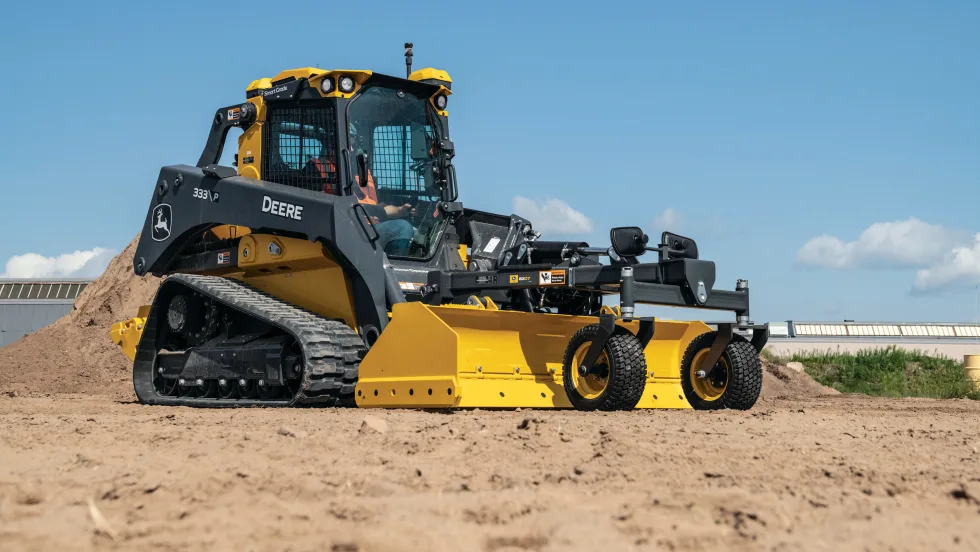
John Deere Adds SmartGrade Box Blades, Fire Suppression Option
John Deere is expanding the capabilities of its compact track loaders with new grading attachments and an equipment protection option. The additions include two SmartGrade box blades for the 333 and 335 P-Tier models and an integrated fire suppression system for large-frame machines.
Read More →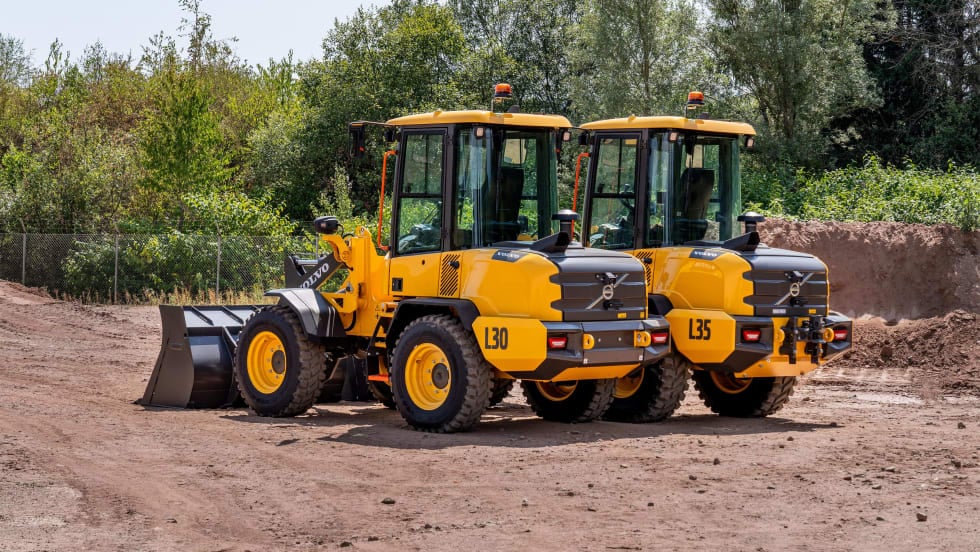
Volvo Updates L30 and L35 Compact Wheel Loaders With Redesigned Rear Frame
The updates aim to provide customers with more flexibility to use the machines for different jobs while improving service access and everyday operation.
Read More →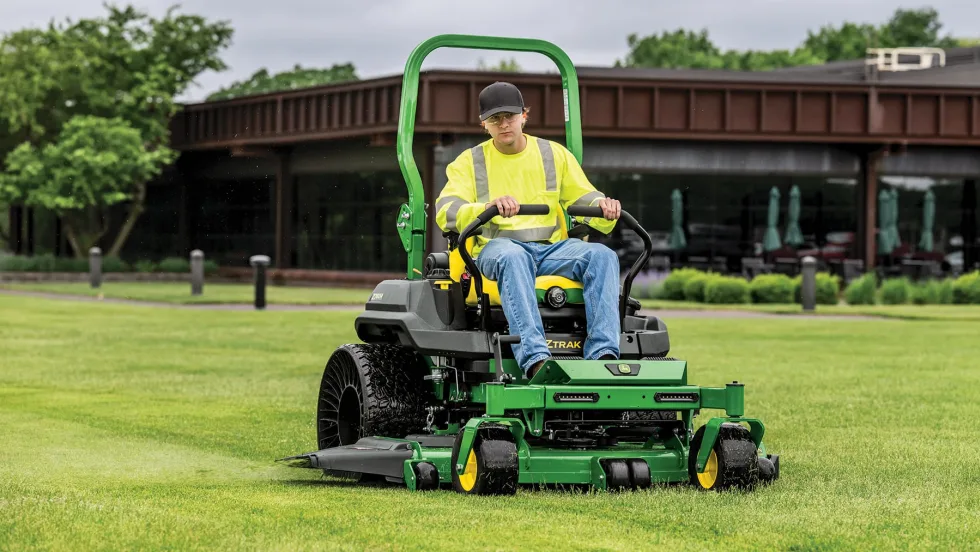
John Deere Updates Z700 ZTrak Commercial Mower Lineup
Public agencies responsible for maintaining large properties have several updated mower options from John Deere. The refreshed Z700 ZTrak lineup adds upgraded engines, transmissions, mower decks, and operator features across four models.
Read More →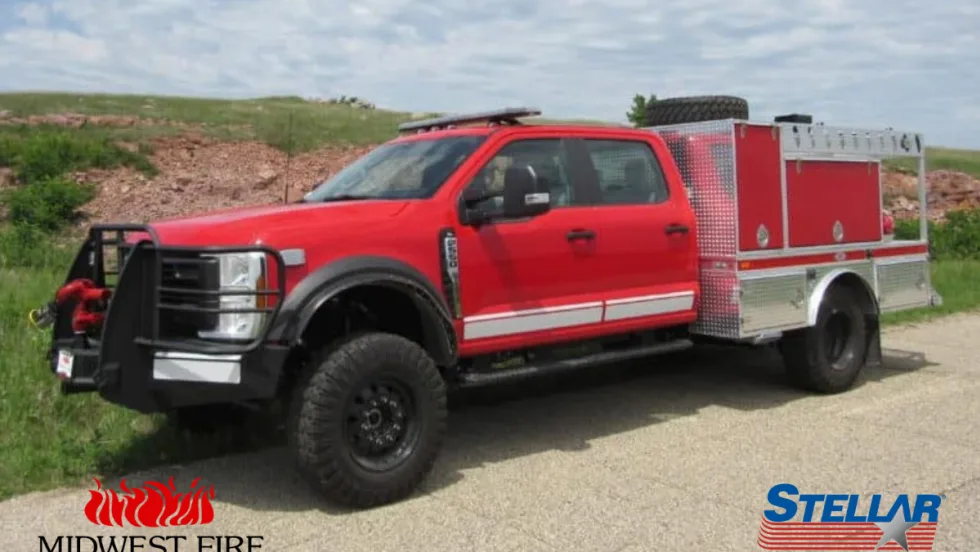
Stellar Industries Acquires Midwest Fire
The acquisition brings a manufacturer of custom fire apparatus under Stellar Industries, expanding the work-truck manufacturer into the fire and emergency response market. Midwest Fire will continue operating from its existing Minnesota headquarters as a distinct company.
Read More →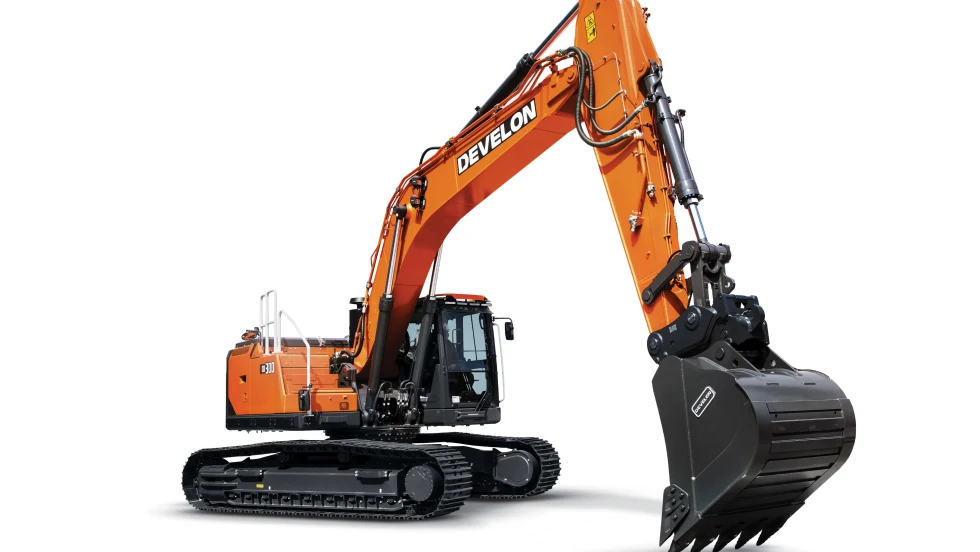
DEVELON Adds DX300LC-9 Excavator to -9 Series
For public works operations handling infrastructure, road, and utility projects, DEVELON has added a new 33-metric-ton excavator to its equipment lineup. The DX300LC-9 combines updated controls with technology designed to address operator safety, equipment monitoring, and machine operation.
Read More →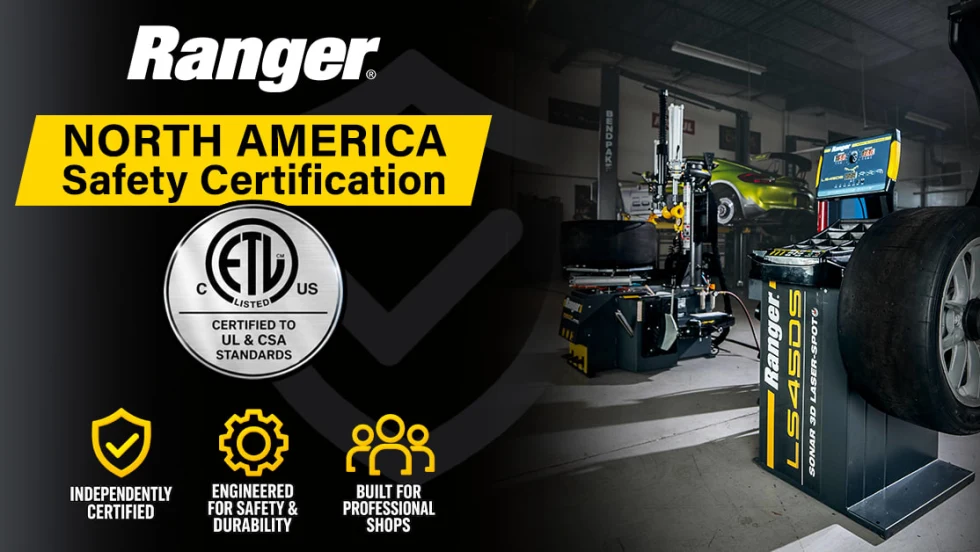
BendPak Ranger Wheel Service Equipment Receives Safety Certification
Equipment used every day in fleet maintenance shops comes with its own set of safety considerations. Following an 18-month redesign and testing process, BendPak's Ranger tire changers and wheel balancers have received certification to applicable U.S. and Canadian safety standards.
Read More →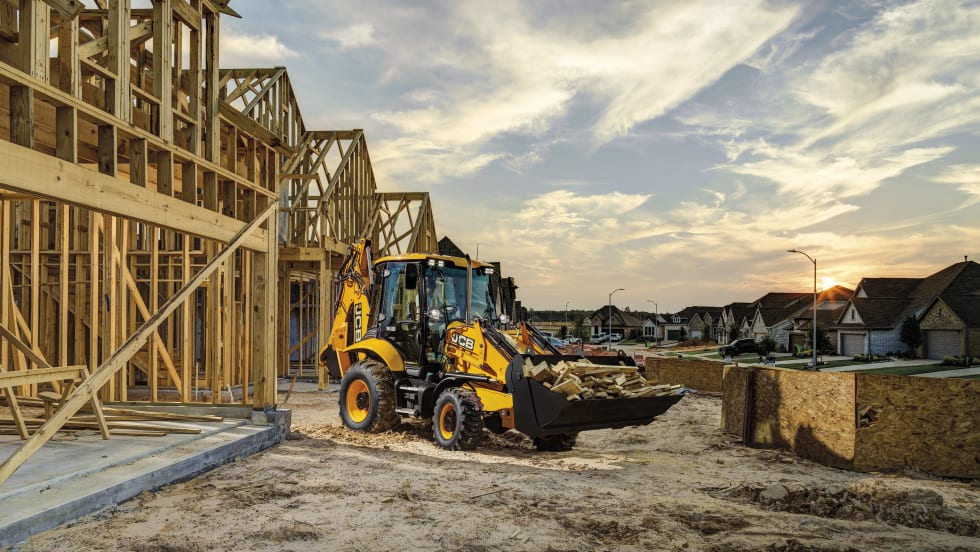
JCB Introduces Dual Drive System for Backhoe Loaders
Public works operators traditionally switch positions and controls each time they reposition a backhoe during excavation. JCB's new Dual Drive system is designed to allow operators to move the machine while remaining at the excavator controls.
Read More →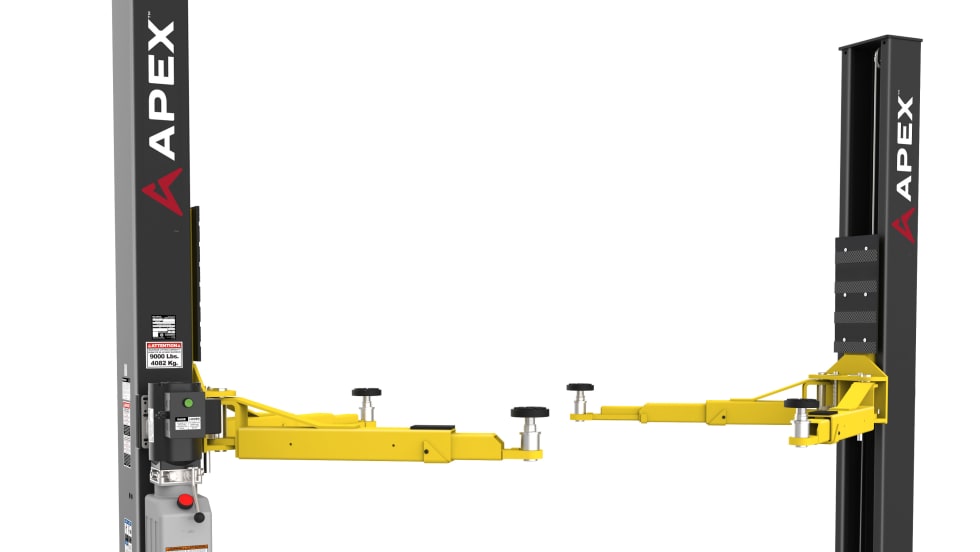
APEX by BendPak Launches AL9LC Two-Post Lift
The new low-ceiling floorplate car lift is designed to maximize overhead clearance for fleets.
Read More →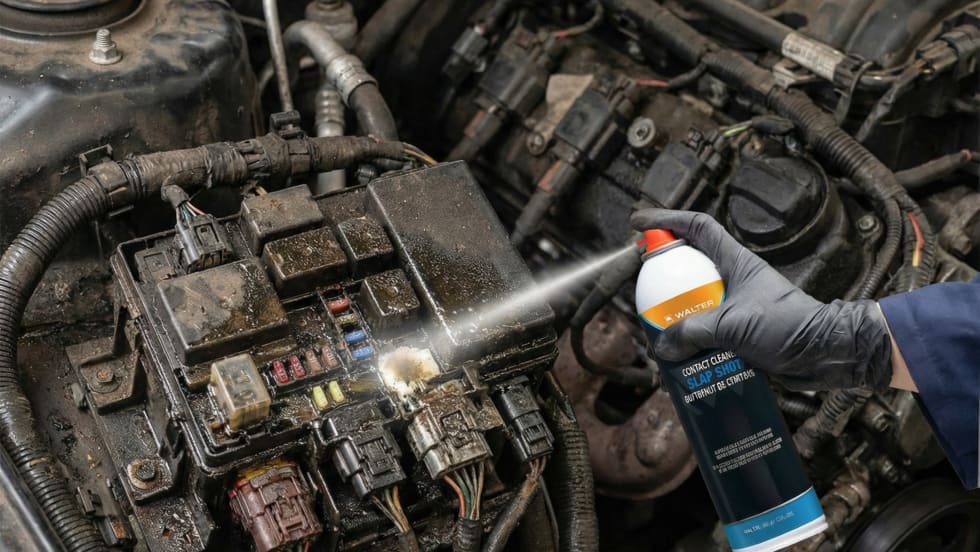
New Slap Shot Contact Cleaner: Heavy-Duty Cleaning Power Without the Residue
Slap Shot Contact Cleaner combines fast contaminant removal, rapid evaporation, moisture displacement, no-wipe cleaning, non-conductive performance, and residue-free cleaning into a single solution.
Read More →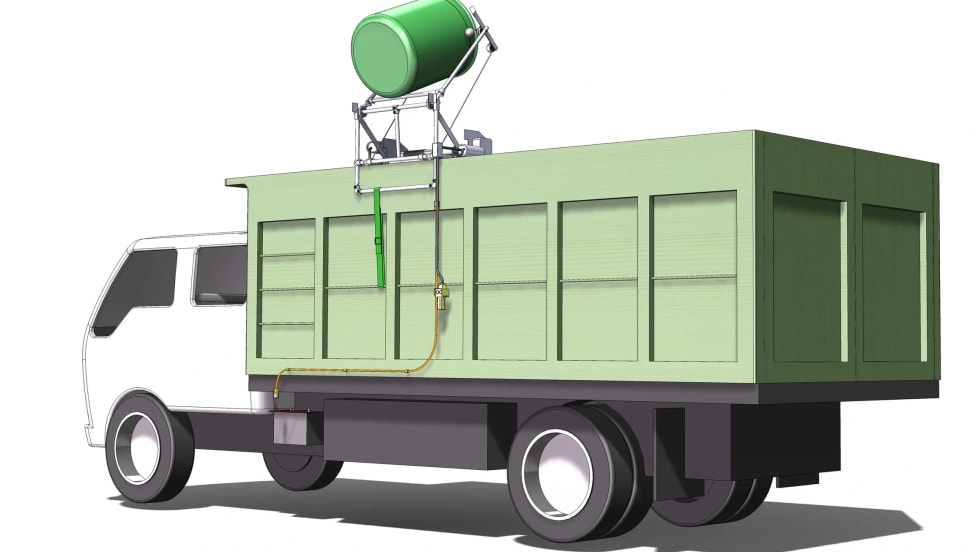
New Powered Carry Barrel Lift Helps Crews Dump Heavy Barrels Into Trucks With Less Manual Lifting
The Carry Barrel Lift is a new truck-mounted attachment designed to help landscape and municipal crews lift and dump heavy 60-gallon barrels more efficiently while reducing manual strain.
Read More →