




Related: Safety Tip: Averting Pothole Damage
Speedy Pothole Repairs That Last
The City of Lincoln, Neb., is using four Rosco RA-400 Patcher trucks to dramatically improve pothole repair efficiency.
by Staff
May 1, 2017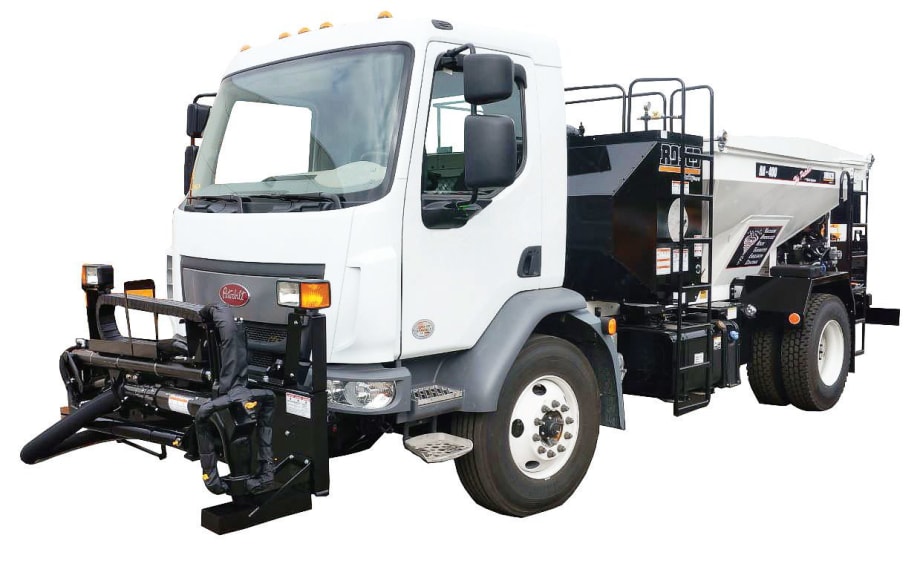
One RA-400 Spray Patcher is capable of repairing more than 200 potholes in a single day, according to LeeBoy. Photo courtesy of LeeBoy
2 min to read
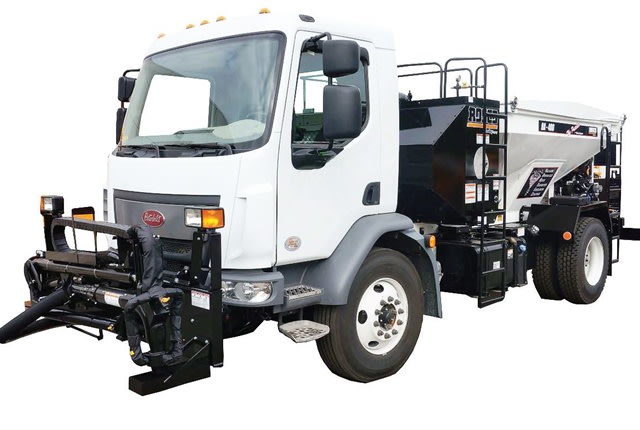
One RA-400 Spray Patcher is capable of repairing more than 200 potholes in a single day, according to LeeBoy. Photo courtesy of LeeBoy
Since the City of Lincoln, Neb., first deployed its four Rosco RA-400 Patcher trucks in May 2016, the city has slashed the amount of employee hours required for pothole repairs and the need for disruptive street closures. Additionally, the new patches — composed of hot emulsion and aggregate — have held much better than patches made in previous years.
Saving Time and Labor During Pothole Patching
“We’re just very, very pleased with them,” said Ty Barger, public works maintenance manager for the City of Lincoln, when asked about the Rosco RA-400. “Ever since we purchased them we’ve not had to utilize manpower surges for pothole efforts following the freeze-thaw cycle. We typically had to do that in winters prior to fielding these machines.”
Previously, the Lincoln Public Works and Utilities Department relied on four-man crews that used hot-mix or cold-mix asphalt for street pothole repairs. This traditional approach wasn’t just labor-intensive and time-consuming — it required lengthy street closures that inconvenienced residents. Additionally, most of the patches would eventually come loose — sometimes multiple times within the same year, Barger said.
In contrast, the Rosco RA-400, manufactured by LeeBoy, requires a single operator to make pothole repairs, and the employee never has to leave the safety of the truck cab.
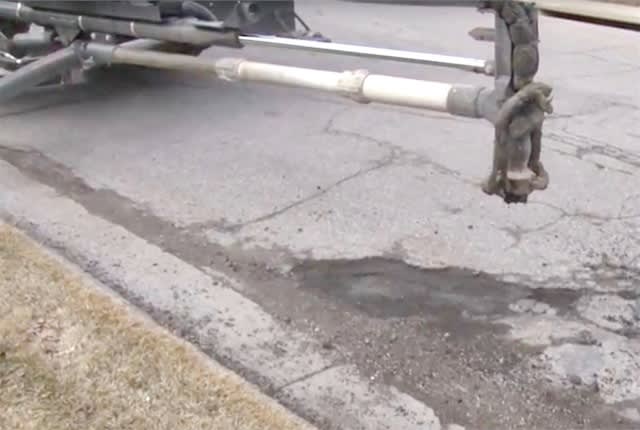
The RA-400 patching boom extends and retracts, providing a wide patching range. Using a joystick in the truck cab, the operator controls the four-step spray injection process. Screenshot courtesy of City of Lincoln
The Spray Patcher's Four-Step Spray Injection Process
Powered by a Kubota Tier 4 Final 65-hp diesel auxiliary engine, the RA-400’s telescoping delivery boom extends and retracts to perform a four-step spray injection process that the operator controls with a joystick.
First, a hydraulically driven, high-volume blower cleans the pothole. Second, a tack coat of emulsion is applied to the area. Third, a mixture of aggregate and hot emulsion fills the pothole. And fourth, a finish coat of dry aggregate is applied. The whole process takes about a minute, so arterial road or residential street closures aren’t necessary. The patch is immediately ready for traffic flow.
Moreover, the emulsion patching material has proven to be more rugged than the traditional hot-mix or cold-mix asphalt.
“These patches are staying in,” Barger said. “We’re not having to go back to replace them.”
The RA-400 spray patchers have allowed the department to make pothole repairs quicker and with fewer resources, freeing crews to complete a higher volume of permanent repairs. The city chose the Rosco RA-400 after consulting with Knox County, Neb., a jurisdiction that also uses the model. After about a week of training and practice, operators were up to speed and ready to hit the streets, Barger said.
Subscribe to Our Newsletter
More Equipment
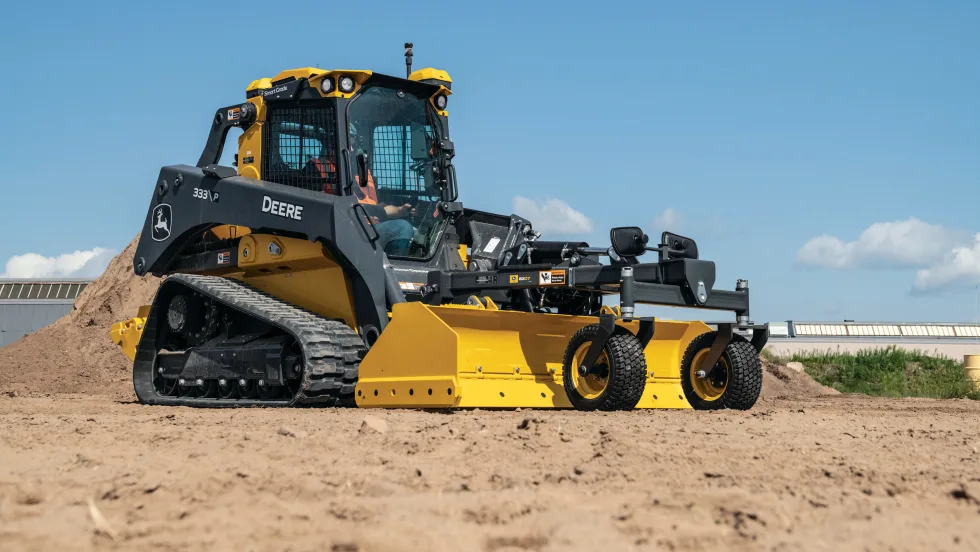
John Deere Adds SmartGrade Box Blades, Fire Suppression Option
John Deere is expanding the capabilities of its compact track loaders with new grading attachments and an equipment protection option. The additions include two SmartGrade box blades for the 333 and 335 P-Tier models and an integrated fire suppression system for large-frame machines.
Read More →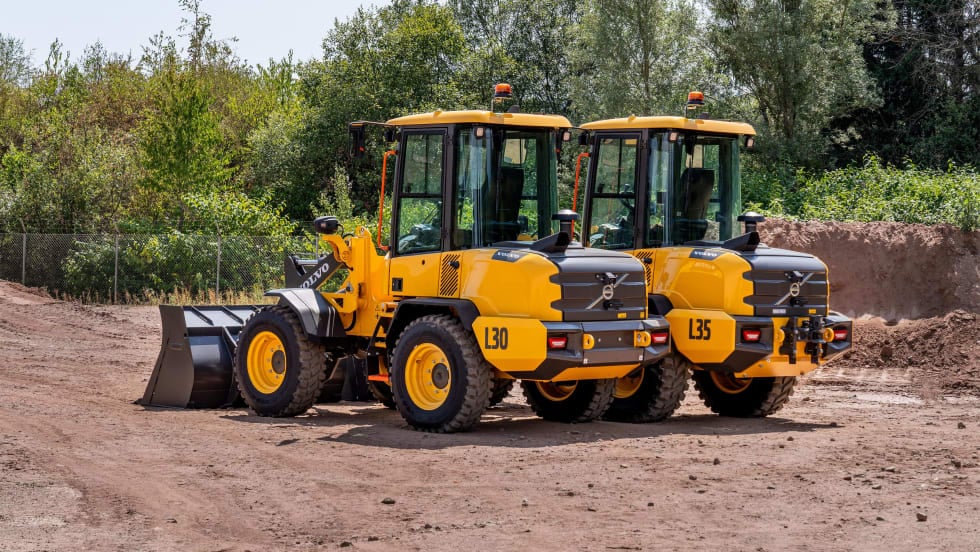
Volvo Updates L30 and L35 Compact Wheel Loaders With Redesigned Rear Frame
The updates aim to provide customers with more flexibility to use the machines for different jobs while improving service access and everyday operation.
Read More →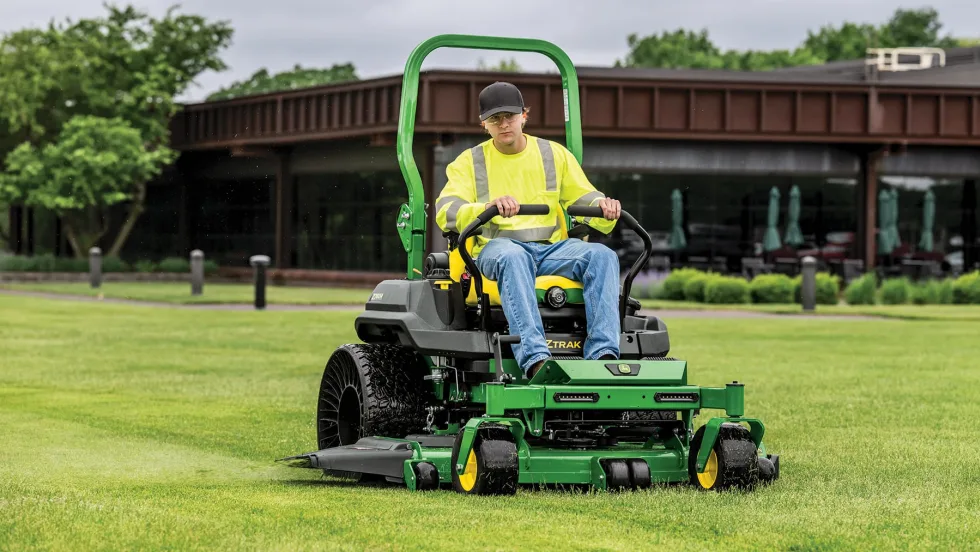
John Deere Updates Z700 ZTrak Commercial Mower Lineup
Public agencies responsible for maintaining large properties have several updated mower options from John Deere. The refreshed Z700 ZTrak lineup adds upgraded engines, transmissions, mower decks, and operator features across four models.
Read More →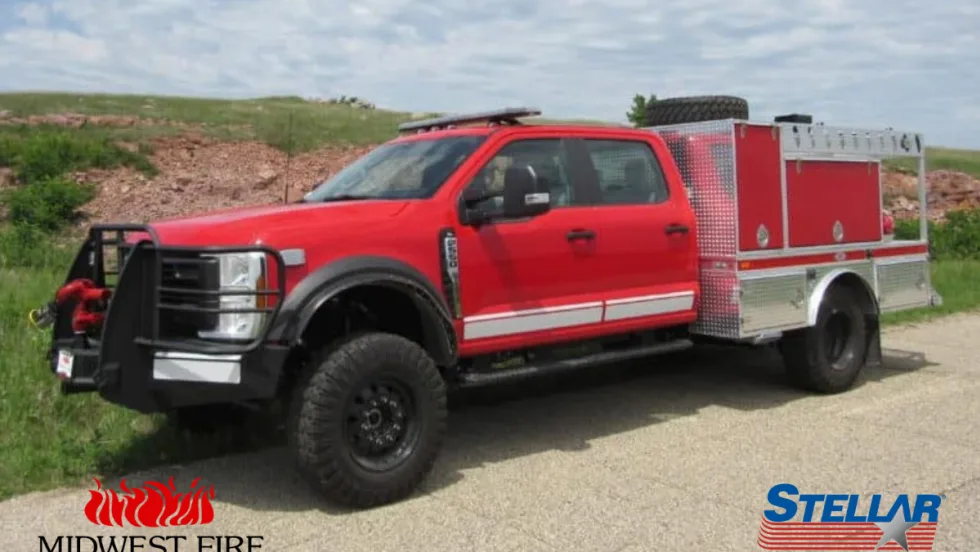
Stellar Industries Acquires Midwest Fire
The acquisition brings a manufacturer of custom fire apparatus under Stellar Industries, expanding the work-truck manufacturer into the fire and emergency response market. Midwest Fire will continue operating from its existing Minnesota headquarters as a distinct company.
Read More →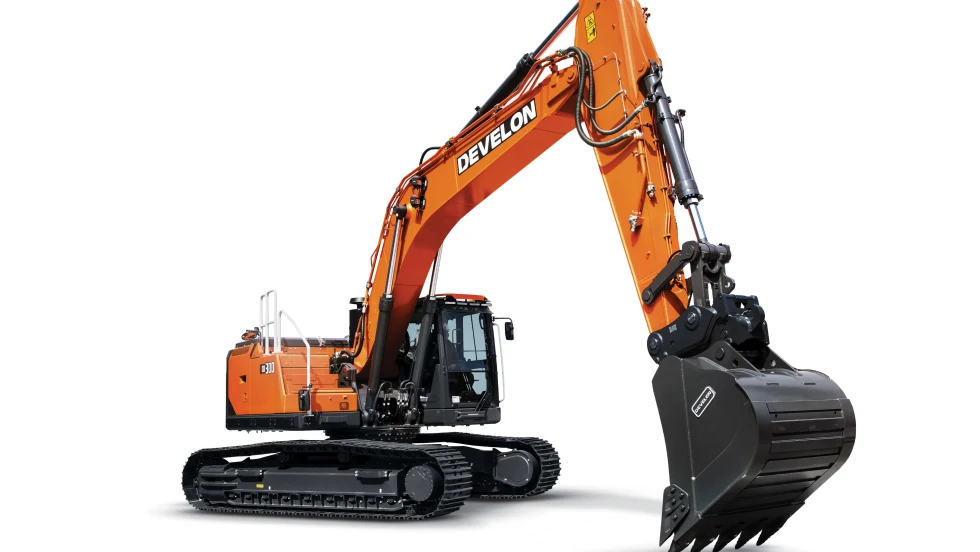
DEVELON Adds DX300LC-9 Excavator to -9 Series
For public works operations handling infrastructure, road, and utility projects, DEVELON has added a new 33-metric-ton excavator to its equipment lineup. The DX300LC-9 combines updated controls with technology designed to address operator safety, equipment monitoring, and machine operation.
Read More →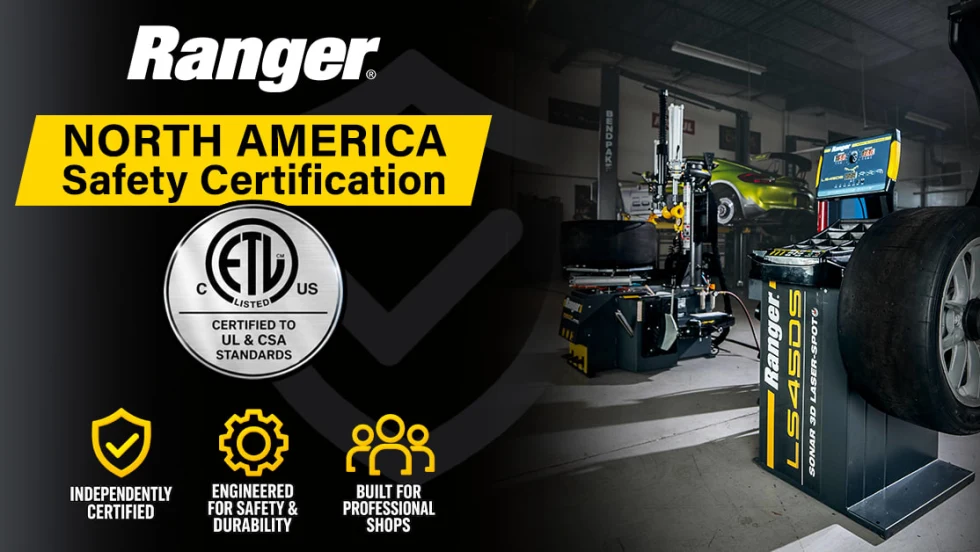
BendPak Ranger Wheel Service Equipment Receives Safety Certification
Equipment used every day in fleet maintenance shops comes with its own set of safety considerations. Following an 18-month redesign and testing process, BendPak's Ranger tire changers and wheel balancers have received certification to applicable U.S. and Canadian safety standards.
Read More →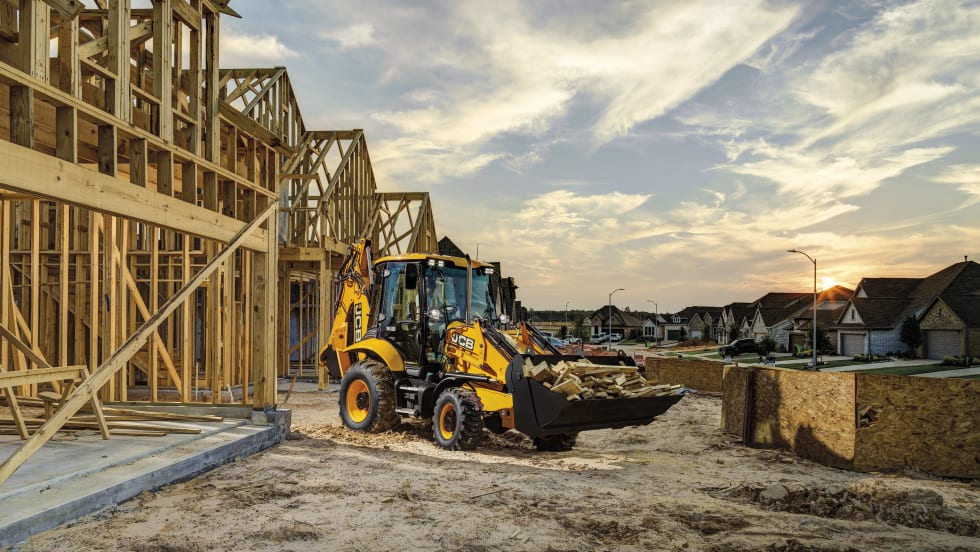
JCB Introduces Dual Drive System for Backhoe Loaders
Public works operators traditionally switch positions and controls each time they reposition a backhoe during excavation. JCB's new Dual Drive system is designed to allow operators to move the machine while remaining at the excavator controls.
Read More →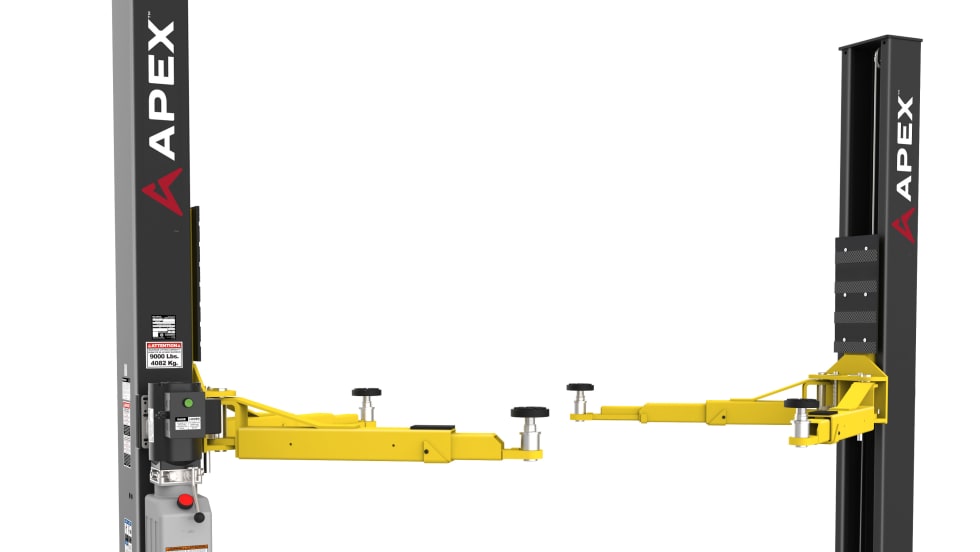
APEX by BendPak Launches AL9LC Two-Post Lift
The new low-ceiling floorplate car lift is designed to maximize overhead clearance for fleets.
Read More →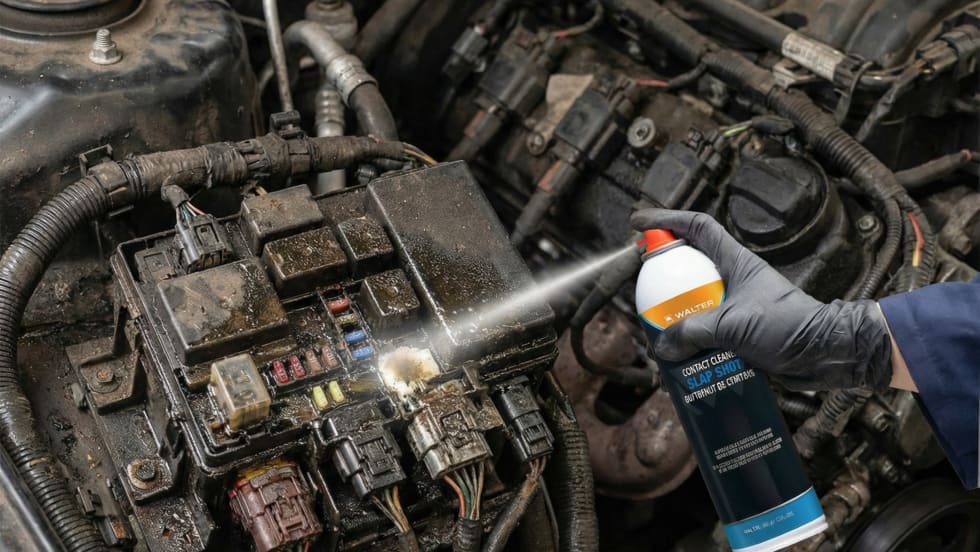
New Slap Shot Contact Cleaner: Heavy-Duty Cleaning Power Without the Residue
Slap Shot Contact Cleaner combines fast contaminant removal, rapid evaporation, moisture displacement, no-wipe cleaning, non-conductive performance, and residue-free cleaning into a single solution.
Read More →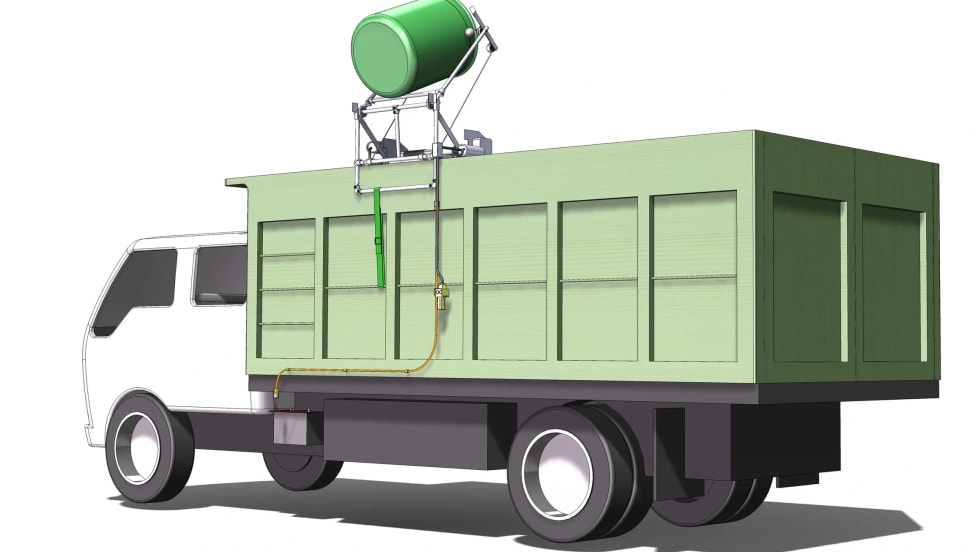
New Powered Carry Barrel Lift Helps Crews Dump Heavy Barrels Into Trucks With Less Manual Lifting
The Carry Barrel Lift is a new truck-mounted attachment designed to help landscape and municipal crews lift and dump heavy 60-gallon barrels more efficiently while reducing manual strain.
Read More →