





Navigating the Challenges of Fleet Management: Insights from Industry Leaders
Key Takeaways from GFX 2024
The 2024 Government Fleet Expo & Conference provided attendees with public fleet-specific training, networking opportunities with like-minded peers, and access to top products and technology displays.
May 14, 2024
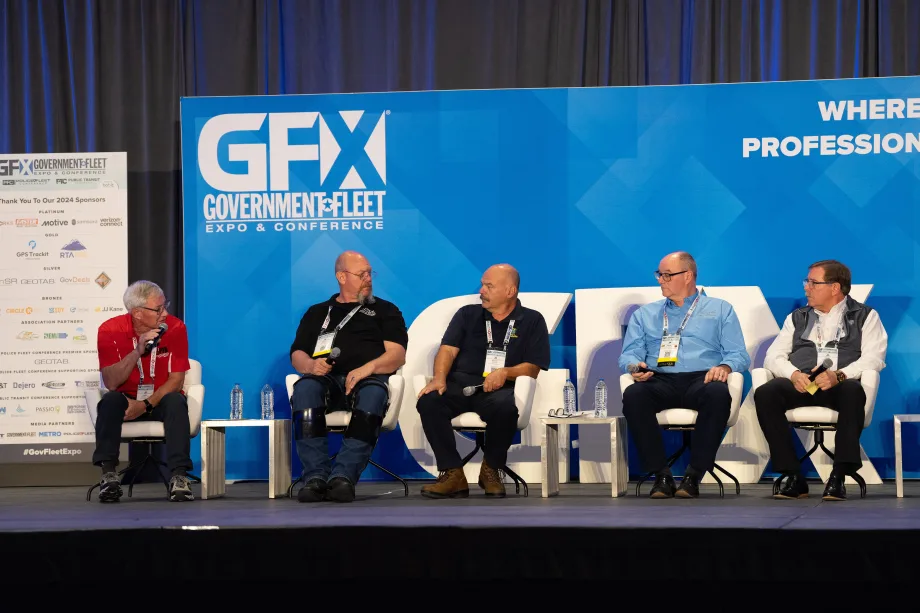
Fleet managers shared their best projections for the next five years in the industry and how they will affect fleet operations.
Photo: Elizabeth Stewart Photography
4 min to read
The 2024 Government Fleet Expo & Conference, held May 7-10, 2024 in Louisville, Kentucky, may have wrapped up but the event provided a better look into the public sector fleet industry itself including how individuals can face challenges ahead, better serve their teams, and find success in an evolving world.
This year's educational sessions provided fleet managers and their teams with more tools to bring back to their fleets. From case studies to deep dives into technology advancements, attendees gained valuable insights into optimizing fleet operations and navigating industry shifts.
Check out some of the key takeaways from the event in relation to success in public sector fleet management.

Phil Bockhorn, head of Government Fleet Sales & Operations at Stellantis speaks during the OEM showcase.
Photo: Elizabeth Stewart Photography
Navigating the Road Ahead When Looking at Vehicle Advancements
If there was one message repeated during the various GFX sessions it was that fleets need to plan ahead when it comes to staying ahead of the fleet industry’s rapidly evolving automotive landscape. Fleet managers need to do their research to navigate the number of vehicle advancements on top of what is already available.
Recommendations for fleets when planning ahead:
Stay on top of technological innovations such as electric vehicles, autonomous vehicles, and advanced telematics systems.
Do your research on the implications of these advancements, and what they can do for a fleet.
Fleet managers should be aware how how their decisions may affect maintenance protocols, and operational strategies.
Additionally, maximizing technician training budgets and upgrading fleet garage facilities are essential steps to ensure that fleets are equipped to handle the complexities of modern vehicles. Technicians need to be prepared for any upcoming training they will be receiving while at the same time ensuring that they are attending the correct training.

The Big Solutions Roundtable allowed participants to collaborate and present on hot topics within the fleet industry.
Photo: Elizabeth Stewart Photography
The Need for Building Resilient Fleet Management Strategies
During GFX's collaborative sessions, it was clear that fleets continue to face hurdles and building a fleet management strategy is the first step toward resiliency. Building resilient fleet management strategies involves investing in infrastructure upgrades, such as modernizing fleet garage facilities and ensuring readiness for electric vehicle repair and charging infrastructure.
Moreover, effective leadership and employee incentive programs are essential for fostering a culture of innovation and accountability within fleet teams. As one session speaker pointed out, employees need to be allowed to participate in goal setting, timelines, and expectations with fleet managers focusing on bringing solutions to administration during uncertain times.
For example, having an employee incentive program can help promote good work ethic, morale, and innovation. Programs can take a variety of forms to motivate a team to improve. Fleets need to choose which one is best for the operation depending on corporate culture, budget, and the preferences of employees.
At the end of the day, prioritizing a resiliency plan in fleet management is just another way for organization to adapt to changing conditions and have a better chance to thrive when faced with more challenges.
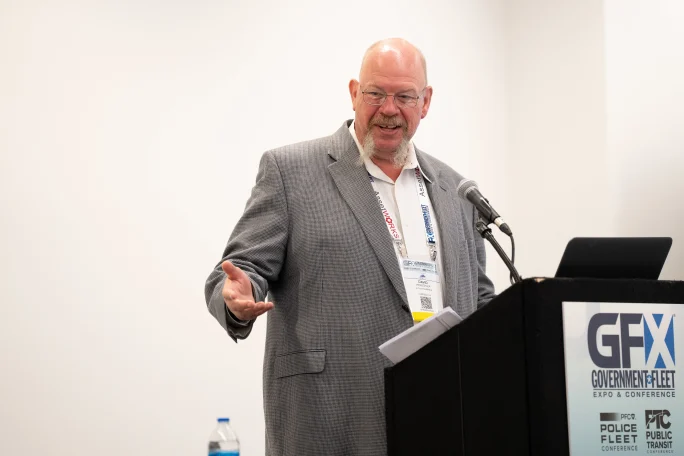
Public Works Fleet Division Manager Dave Renschler, CPFP, city of Fairfield, California, led part of a discussion for the city session case study and how the fleet transitioned its infrastructure for ZEVs.
Photo: Elizabeth Stewart Photography
Charting the Path Forward Through Innovation and Collaboration
What are some fundamental drivers of success in fleet management? To start off, embracing emerging technologies and industry trends are key in order for fleet managers to improve operations and stay ahead of the challenges, such as new regulations, new vehicle requirements, and employee turnover.
Collaboration among industry peers through initiatives like the Big Solutions Roundtable provided valuable opportunities for knowledge sharing and collective problem-solving. But this extends beyond GFX and those within the fleet industry should continue collaborating with peers.
This collaboration can help fleet managers gain insights into best practices, emerging technologies, and innovative solutions to common challenges. This approach can encourage continuous improvement and enables fleet managers to chart a path forward that maximizes efficiency and effectiveness.
Crystal Ball Projections: Foreseeing Changes, Challenges, and Opportunities
While there is unfortunately no solid prediction for the future of fleet, there are fortunately some longtime fleet experts who took their own knowledge give a better perspective on what the future could look like. One top of the broader changes and challenges fleets can expect individuals should continue to prepare for continued electrification.
The transition to zero-emission vehicle infrastructure means fleet managers will have to drive innovation and sustainability in their operations. Learning from case studies of ZEV integration provided insight into best practices and potential challenges. Additionally, staying informed about critical policy issues and actively engaging in advocacy efforts enables fleet managers to shape regulatory environments and drive industry progress.
Finally, industry experts encouraged fleets to have a plan in place as roles evovle, from new hirees to retirements. For those individuals who have seen the revolving roles of people in the industry a key point is to know where to bring in new people and recognize who can jump into a role when needed. Continue to focus on the fleet's future and, along with that, the people who will be a part of that future.
Subscribe to Our Newsletter
More Operations

Is Keeping Older Fleet Vehicles Really Saving Money?
Is keeping vehicles longer saving money, and what happens when a diagnostic test points to the wrong fix?
Read More →
How Smart Fleet Strategy Can Help Local Government Agencies Do More with Less
Keeping a vehicle longer may ease this year’s budget, but what does it cost the next one? A closer look at fleet decisions can reveal opportunities to reduce spending while protecting essential services.
Read More →
Connect with Government Fleet on LinkedIn
From industry news and fleet management strategies to conversations with peers, Government Fleet's LinkedIn page offers public-sector fleet professionals another way to stay informed and connected.
Read More →
Town of Queen Creek Named Most Successful Fleet Award Winner of Inaugural RTA Fleet Success Awards
Five fleets were honored at RTA Connect 2026 in Chicago for excellence across resource efficiency, intentional culture, risk management, and stakeholder satisfaction.
Read More →
Sponsored•October 14, 2026
A buyer's guide to fleet management software in 2027
Buying fleet management software in 2027 means looking beyond features and price. As fleet operations, technology and expectations evolve, this guide explores what today’s fleet professionals should consider when choosing a system that can deliver value now and adapt to what comes next.
Read More →
Hazard Alerts, Fleet Car Sales Rise and a New Shuttle Concept
Fleet car sales doubled, but the bigger picture tells a different story in this week’s roundup.
Read More →
How St. Johns County Turned Fleet Data Into Better Replacement Decisions
St. Johns County, Florida, had fleet data, but turning it into reliable decision guidance was another matter. Instead of starting over with a new fleet management system, the county connected existing tools and built a scoring system that gives managers an objective look at fleet health.
Read More →
Fleet Forward Conference Introduces One-Day Passes for 2026
New one-day registration lets fleet professionals attend Tuesday, Wednesday, or Thursday, with passes available for $249.
Read More →
ENC Unveils its ZAVIR Medium-Duty Shuttle
Two variants of the concept shuttles were revealed: a low-floor configuration and a high-floor configuration.
Read More →
Could Your Next Fleet Technician Start as an Intern?
What if your next technician hasn’t worked in a fleet shop yet? What fleets are doing to free up time.
Read More →