





Learn More: How Telematics Can Help Monitor Vehicle Health, Save Money
Remaining Productive After Reorganization
A Nebraska fleet manager takes a look at the changing fleet industry and how his team has been able to be successful in their day-to-day operations.
May 14, 2024
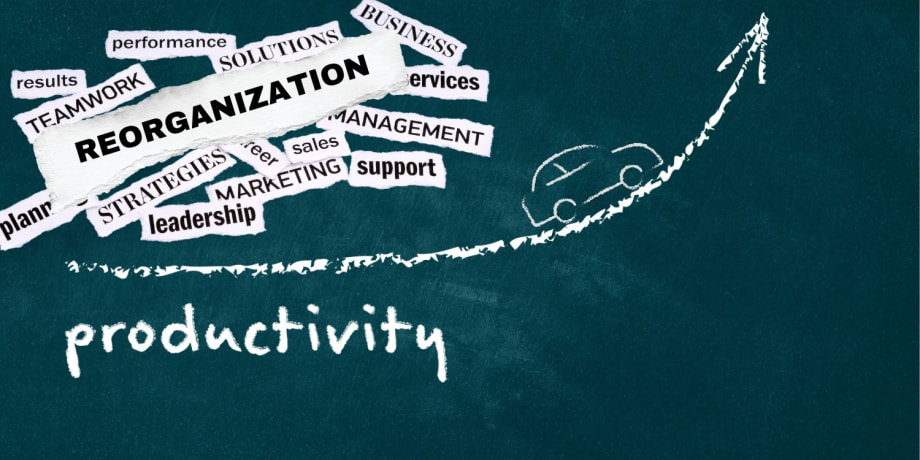
Reorganization means navigating changes in the fleet department while ensuring productivity remains consistent.
Photo: Government Fleet
3 min to read
Michael Donahue, fleet manager for the Omaha Public Power District (OPPD) in Nebraska, oversees a department with vehicles and pieces of construction equipment ranging from lawn mowers to locomotives. The fleet team he leads supports the critical mission of supplying electricity throughout the service territory in eastern Nebraska.
Managing Changes Around Fleet Planning and Future Tech
Donahue's department has taken on the planning, acquisition, assignment, maintenance, repair, and eventual disposal of all things fleet. As the fleet industry changes just as much as any other in regard to technology, innovation, regulatory changes, environmental issues, and more, he says managing all aspects involved is fun and challenging.
“The changes we are currently experiencing with vehicle technology, the environmental forces at play, and the number of staff either retired or retiring soon will be a huge challenge – but it keeps it interesting as well,” he said.
Surviving Reorganization Within the Fleet Department
Donahue said a big challenge he’s faced is navigating a large number of changes in the organization of the department.
When he first started, the team was under the Energy Delivery part of the organization. With some changes among the senior management team, the organization wanted to eliminate any implications of favoritism or influence of a user group over the fleet which served the entire organization.
"With additional changes, we were moved to parts of the organization that served similarly, corporate wide," Donahue said. "With retirements and additional management changes, we moved around a little bit and have finally landed in the Financial Services Business Unit. That has provided significant stability for the department, more consistent leadership, and focus to provide our services as we strive for continuous improvement."
He said traversing all of that while minimizing the impact on the department took some perseverance, but they now feel they have landed in a great spot and look forward to what’s next.
Making Improvements to Fleet Operations
When the department was working on implementing telematics in the fleet they were also developing a corporate asset management strategy. One of the challenges an organization like OPPD has is managing numerous different types of assets: buildings, computers, production facilities, substations, wires, poles, transformers, vehicles and equipment, etc.
The organization identified an opportunity to improve how all of these assets are managed and implemented a project to accomplish that strategy. As part of their continuous improvement process, it was identified that telematics could be a useful tool that would provide the data needed to help OPPD improve supervision, operations, fleet sustainability, safety, risk, and information to support asset management.
Exposing Students to Fleet
Donahue got his first taste of fleet when he had the opportunity to participate in a co-op while he was a student at Iowa State University. He had an excellent experience at OPPD, and was exposed to a wide range of vehicles supporting critical infrastructure which really intrigued him. He had a history with trucks and equipment while growing up on a farm in central Nebraska, so a lot of the work was not out of his wheelhouse.
“The people here were great, and it just so happened the position became full-time not long after I graduated. I applied, got the job, and the rest is history. I don’t know if I truly envisioned a job in fleet until I had that co-op, but I have enjoyed my journey since then,” he explains.
Editor's Note: This article was originally published in December 2020, but was reviewed for continued relevance and accuracy as of May 2024.
Subscribe to Our Newsletter
More Operations

Is Keeping Older Fleet Vehicles Really Saving Money?
Is keeping vehicles longer saving money, and what happens when a diagnostic test points to the wrong fix?
Read More →
How Smart Fleet Strategy Can Help Local Government Agencies Do More with Less
Keeping a vehicle longer may ease this year’s budget, but what does it cost the next one? A closer look at fleet decisions can reveal opportunities to reduce spending while protecting essential services.
Read More →
Connect with Government Fleet on LinkedIn
From industry news and fleet management strategies to conversations with peers, Government Fleet's LinkedIn page offers public-sector fleet professionals another way to stay informed and connected.
Read More →
Town of Queen Creek Named Most Successful Fleet Award Winner of Inaugural RTA Fleet Success Awards
Five fleets were honored at RTA Connect 2026 in Chicago for excellence across resource efficiency, intentional culture, risk management, and stakeholder satisfaction.
Read More →
Sponsored•October 14, 2026
A buyer's guide to fleet management software in 2027
Buying fleet management software in 2027 means looking beyond features and price. As fleet operations, technology and expectations evolve, this guide explores what today’s fleet professionals should consider when choosing a system that can deliver value now and adapt to what comes next.
Read More →
Hazard Alerts, Fleet Car Sales Rise and a New Shuttle Concept
Fleet car sales doubled, but the bigger picture tells a different story in this week’s roundup.
Read More →
How St. Johns County Turned Fleet Data Into Better Replacement Decisions
St. Johns County, Florida, had fleet data, but turning it into reliable decision guidance was another matter. Instead of starting over with a new fleet management system, the county connected existing tools and built a scoring system that gives managers an objective look at fleet health.
Read More →
Fleet Forward Conference Introduces One-Day Passes for 2026
New one-day registration lets fleet professionals attend Tuesday, Wednesday, or Thursday, with passes available for $249.
Read More →
ENC Unveils its ZAVIR Medium-Duty Shuttle
Two variants of the concept shuttles were revealed: a low-floor configuration and a high-floor configuration.
Read More →
Could Your Next Fleet Technician Start as an Intern?
What if your next technician hasn’t worked in a fleet shop yet? What fleets are doing to free up time.
Read More →