




About the Author: John Kuder is a senior instructional designer at Avatar Fleet, the creators of the non-CDL safety training course, The Fleet Safety Course. This article was authored and edited according to GF editorial standards and style. Opinions expressed may not reflect that of GF.
How to Start a Fleet Safety Newsletter
If you want drastic accident reductions, your drivers need continuous safety training. A safety newsletter may help reinforce what they've learned.
by John Kuder, Avatar Fleet
August 17, 2021
When you align every part of your safety training, you will see exceptional results.
Photo: Pexels
3 min to read
Safety training is not an event. It’s a process. If you want drastic accident reductions, your drivers need continuous safety training.
An effective safety training program uses a four-step process:
Assign new hires online safety training
Conduct in-person safety training for new-hires
Host monthly safety meetings focused on your most important defensive driving behaviors
Frequently send safety tips to your drivers
You can achieve the fourth step with a safety tips newsletter.
How to Effectively Implement a Safety Tips Newsletter
Sending the newsletter is easy. There are many free programs that do it for you.
Execution is a bit trickier. You need the answer to three questions:
How often should you send the newsletter out?
What content should your safety tips cover?
How can you make sure your drivers actually read it?
Decide Newsletter Frequency
We recommend sending it out weekly. It all comes down to return on investment.
If you send out the newsletter daily, you’ll have a diminishing return on investment. Your extra time and effort won’t lead to less accidents. A monthly newsletter will save you time, but you won’t achieve meaningful results. A weekly newsletter gets you the necessary results without extra work.
Determine Newsletter Content
Let’s revisit our outline for an effective safety training program.
In new-hire training, department managers should teach drivers everything they need to know about accident prevention.
In each monthly safety meeting, you should focus on a single safe behavior necessary for preventing one of your organization’s most common and costly accidents (i.e. intersection safety, maintaining a safe following distance, pedestrian and cyclist awareness, etc.).
Finally, your weekly safety tips newsletter should drill even deeper into preventing your most common and costly accidents. Each weekly newsletter should focus on one topic directly related to the monthly safety meeting.
For example, if your monthly safety meeting covers intersection safety, your weekly newsletters that month could discuss:
How to safely approach and navigate intersections
Performing safe right turns
Performing safe left turns
Pedestrians and cyclists at intersections
When you align every part of your safety training, you will see exceptional results.
Ensure Driver Engagement
Here are three easy steps to ensure your drivers read your newsletter and put the tips to use:
Send out the newsletter on the same day every week. When you follow a schedule, your drivers will know when to expect the newsletter and more of them will read it.
Make it all about them. Focus on how your newsletter will help drivers. When you introduce this initiative, explain to your drivers that reading the newsletter will make their jobs easier and help keep them safe.
Get your managers involved. Ask department managers to read the newsletter and engage drivers on the tips that are covered. They should meet with their drivers each morning when you send out the newsletter to discuss the content.
The Final Touch on Your Safety Training Program
A weekly safety tips newsletter could make all the difference for driver safety.
For just a couple hours of your time each week, you can dramatically reduce accidents and improve your safety culture. You’ll reap the rewards of lower
Subscribe to Our Newsletter
More Safety
New Partnership Aims to Expand Public Digital Hazard Alert System Statewide
The Hawai’i Department of Transportation (HDOT) is expanding advance digital hazard alerts for the public statewide.
Read More →
New York City Expands Safety Technologies Across Municipal Fleet
Executive Order 19 moves intelligent speed assistance and pedestrian alerts from pilot programs toward standard fleet equipment, offering other public fleets a look at how safety technology can be tested, measured, and scaled.
Read More →
Sponsored•August 10, 2026
Hidden in Plain Sight: Fleet Compliance Risks
Fleet compliance isn't just about having policies — it's about consistently enforcing them. This practical guide reveals six hidden compliance risks common in public sector and shared fleet operations and outlines proven strategies to improve visibility, accountability, and audit readiness.
Read More →
5 Days Left to Submit Your 2026 Fleet Safety Award Nomination
Know a government fleet, safety, or risk manager who deserves recognition for making fleet operations safer? Nominations are open through Aug. 15.
Read More →
How the First 24 Hours Can Shape a Fleet Crash Response
How a strong accident response process helps government fleets move from the initial report to recovery while building a clearer record for what needs to change next.
Read More →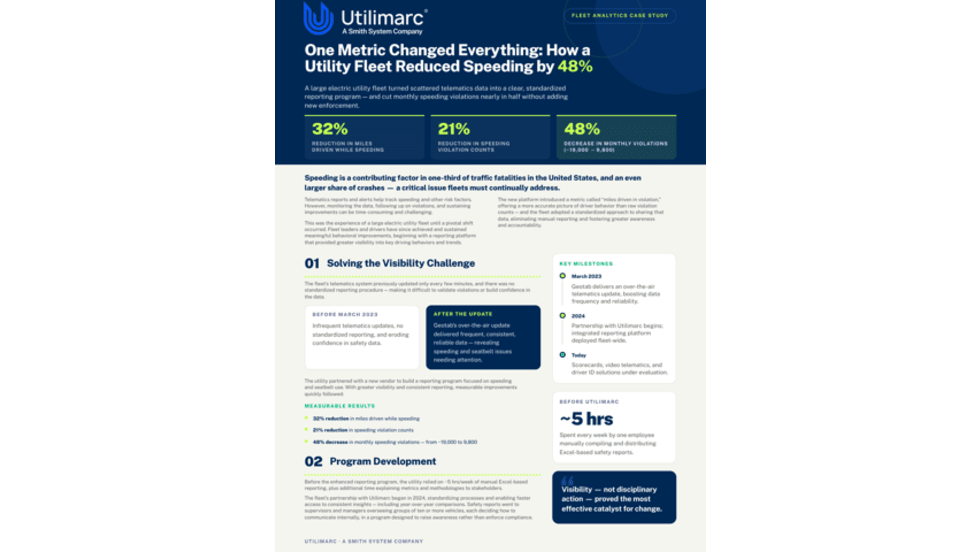
Sponsored•July 17, 2026
How Better Visibility Cut Speeding Violations by 48%
Fleet leaders don't need more data, they need clearer visibility into what the data is saying. This case study explores how one utility replaced speeding-event counts with a single metric — miles driven in violation — to strengthen safety and significantly reduce speeding violations.
Read More →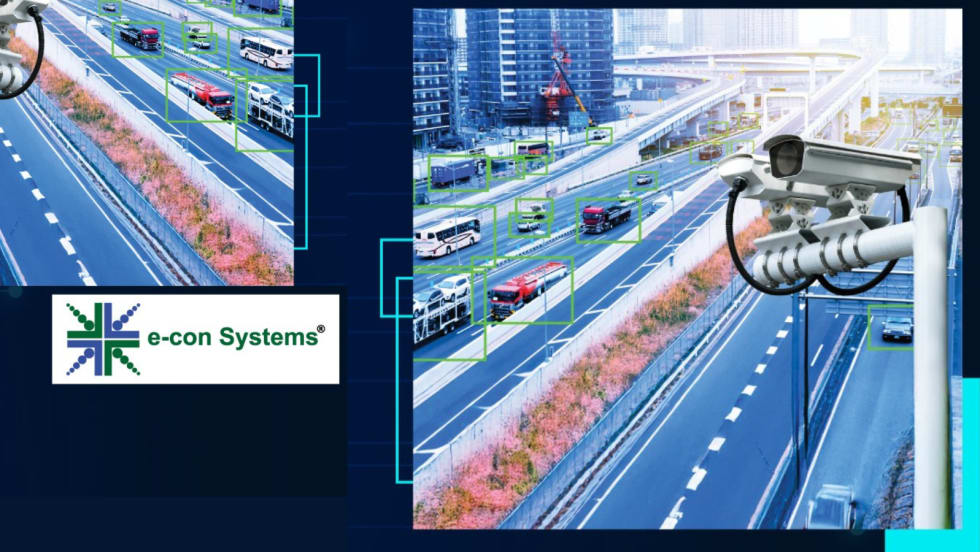
e-con Systems Expands AI Camera Tools for Traffic Monitoring
The systems support license plate recognition, traffic analytics, and video management for transportation agencies.
Read More →
King Township Pilot Links Driver Feedback to Reduced Speeding
How King Township, a best-in-class municipal fleet, reduced speeding by 10.9% and demonstrated a projected 349% ROI by putting safety ownership directly in drivers' hands.
Read More →
Beyond the Fireline: The Critical Role of Public Fleets in Wildfire Response
Behind every wildfire response is a complex network of vehicles, data, and decisions that must work in sync under extreme pressure. Global heating trends require strong fleet coordination and reliable communications to keep crews safe and operations running smoothly.
Read More →
How AI Is Transforming Public Fleet Safety - Part 1
AI-powered safety systems are helping public fleets tackle distracted driving by delivering real-time coaching and measurable behavior change behind the wheel. In part one of our Q&A, Nauto CEO Stefan Heck explains how agencies can improve safety, reduce costs, and navigate implementation challenges with AI-driven technology.
Read More →