





Miss Part 1? Read it here.
How AI Is Transforming Public Fleet Safety - Part 2
With AI now embedded in fleet safety programs, public agencies have more tools than ever to address distracted driving. Part 2 explores how those tools are being used to spot risk sooner and act faster.
April 15, 2026
Credit:
Government Fleet
4 min to read
- AI technology enhances fleet safety by improving driver behavior monitoring and management.
- Advanced data analytics allow for quicker identification of potential vehicle maintenance issues, reducing risk.
- Real-time tracking and alerts contribute to more responsive and proactive fleet management strategies.
*Summarized by AI
In part two of our conversation with Nauto CEO Stefan Heck, we dig into what municipalities can do to increase transparency and trust in the use of AI tools, and how to initiate the deployment of these systems.
This interview has been edited for length and clarity.
Q: What safeguards are necessary to ensure responsible use of driver data in government fleets?
Heck: Ensuring responsible use of driver data starts with clear data governance and privacy-by-design.
Agencies should define what data is collected, what is processed in real time versus stored, who has access to it, and how long it is retained. Limiting data capture to meaningful safety events, rather than to continuous recording, is a key safeguard.
Q: What best practices help agencies introduce this technology while maintaining workforce trust and morale?
Heck: The most effective approach is to lead with transparency and clearly communicate the technology's purpose: to support safety and protect drivers.
Agencies should explain how the system works, what data is and is not recorded, and how it will be used to support drivers, with recording and retention limited to exoneration and coaching purposes. Emphasizing privacy by design and the absence of continuous recording is critical to building trust.
In addition, involving drivers early, providing training, and positioning the system as a safety tool that helps prevent incidents and even exonerate drivers in the event of a claim can significantly improve acceptance.
When technology is accurate, non-intrusive, and clearly aligned with driver safety, agencies can maintain strong workforce trust and morale while improving outcomes.
Q: How can agencies communicate the use of AI safety systems to the public in a way that builds trust?
Heck: Agencies should communicate AI safety systems to the public by focusing on outcomes, transparency, and purpose. The message should be simple: these systems are designed to make roads safer for everyone, including pedestrians, cyclists, and other drivers.
It is also important to clearly explain how the technology works, emphasizing that it is privacy-conscious, does not rely on continuous recording, and is used only to identify and prevent meaningful safety risks.
For the public, it’s also critical to have a privacy policy that spells out whether and when recording is happening, whether personal information (e.g., pedestrians' faces) is blurred or retained, and how long data is retained.
Q: What early data exists on AI’s effectiveness in reducing collisions in government fleets?
Heck: Early data show that AI has a meaningful impact in reducing collisions, including in public-sector and mixed-fleet environments.
Across the industry, fleets using AI-powered safety systems are seeing 20 to 35% reductions in incident rates within the first few months, with continued improvement over time, with the best fleets reaching 70-80% reductions in collision losses.
Q:What role should federal, state, or local governments play in accelerating AI adoption to reduce distracted driving nationwide?
Federal, state, and local governments play a critical role in accelerating AI adoption by setting clear safety standards, including requiring driver distraction and drowsiness detection systems and pedestrian collision avoidance systems, as the EU requires as of 2025.
The U.S. is behind and has close to double the fatalities as a result. Governments can also help by providing funding and leading by example. At the federal level, this includes supporting programs and incentives that encourage the adoption of additional, proven safety technologies, or using incentives to phase in technologies that become cheaper as they scale, so they can then be mandated universally once costs come down.
State and local agencies can drive impact by integrating AI into their own fleets and demonstrating measurable safety improvements.
Additionally, governments can help establish guidelines around privacy, data use, and responsible AI deployment, which builds trust among drivers and the public.
By aligning policy, funding, and implementation, governments can accelerate adoption at scale and make meaningful progress toward reducing distracted driving nationwide.
Q: How can agencies use AI insights to improve accountability without creating a punitive culture?
Heck: Agencies can improve accountability by using AI insights to prioritize coaching and prevention over punishment.
The key is to position the system as a tool that helps drivers succeed, not one that penalizes them. By prioritizing in-the-moment coaching and highlighting improvements in positive behavior, agencies can reinforce safe driving habits without creating fear or resistance.
Q: How can smaller municipalities with limited resources successfully adopt these solutions?
Heck: Smaller municipalities can successfully adopt AI safety solutions by starting with a focused deployment and scaling over time or working through a leasing or fleet management company like Wheels.
Rather than a large upfront investment, many platforms are designed to be deployed quickly and cost-effectively, allowing agencies to begin with a subset of vehicles and demonstrate impact early.
Subscribe to Our Newsletter
More Articles
New Partnership Aims to Expand Public Digital Hazard Alert System Statewide
The Hawai’i Department of Transportation (HDOT) is expanding advance digital hazard alerts for the public statewide.
Read More →
How St. Johns County Turned Fleet Data Into Better Replacement Decisions
St. Johns County, Florida, had fleet data, but turning it into reliable decision guidance was another matter. Instead of starting over with a new fleet management system, the county connected existing tools and built a scoring system that gives managers an objective look at fleet health.
Read More →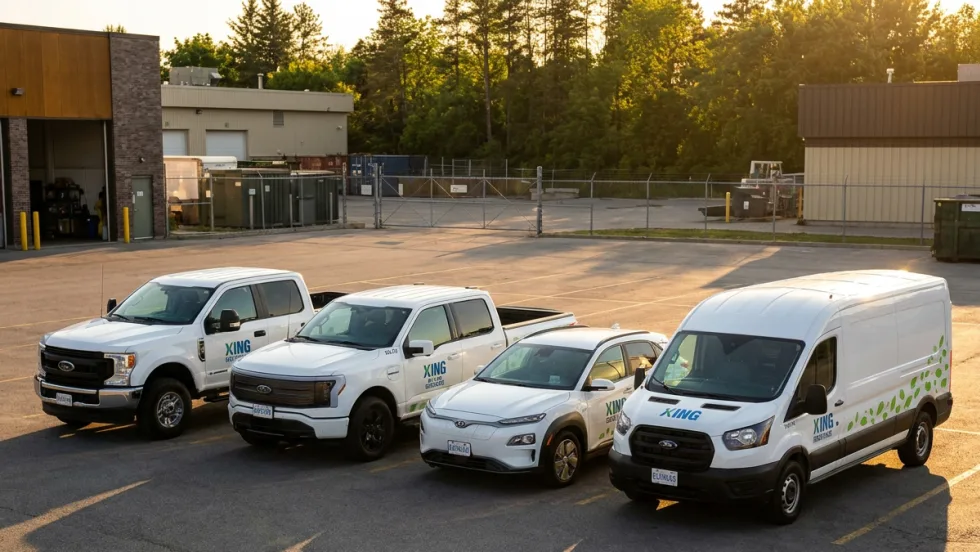
The Missing Link in Fleet Safety: Turning Data into Behaviour Change
Every municipal vehicle tells residents something about how their fleet is being managed. For King Township, Ontario, that visibility made speeding more than a driver performance issue.
Read More →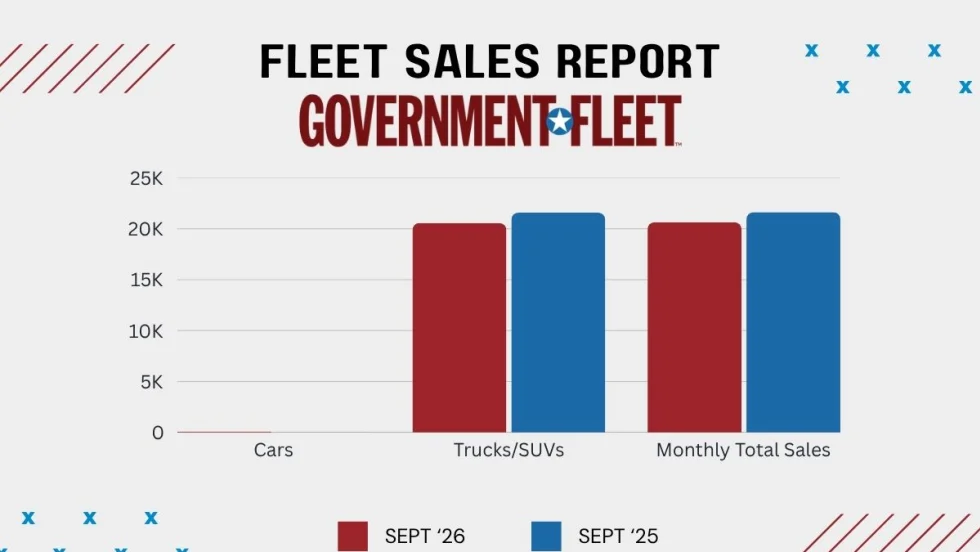
Government Fleet Car Sales More Than Double in September
Government fleet car sales rose 112.8% year over year in September, climbing from 39 to 83 units even as total monthly sales declined 4.5%.
Read More →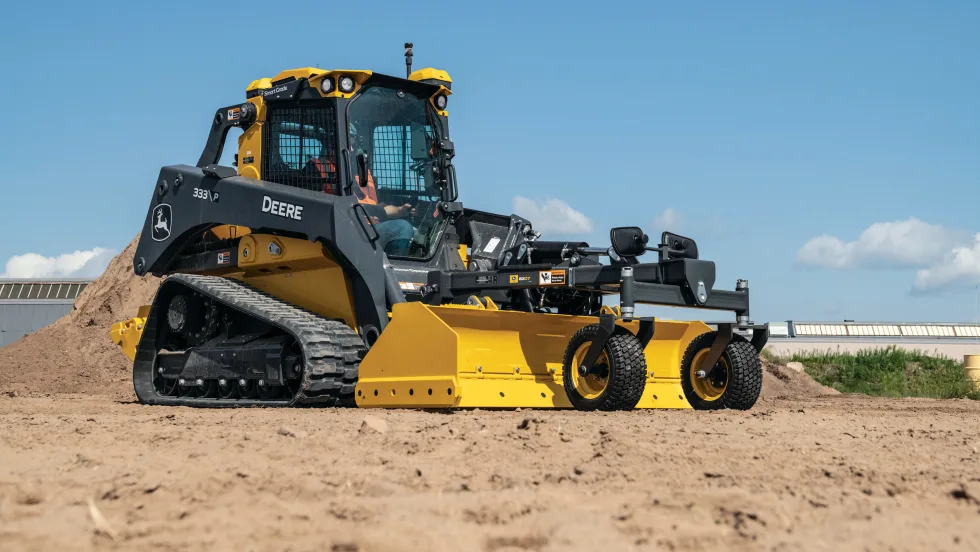
John Deere Adds SmartGrade Box Blades, Fire Suppression Option
John Deere is expanding the capabilities of its compact track loaders with new grading attachments and an equipment protection option. The additions include two SmartGrade box blades for the 333 and 335 P-Tier models and an integrated fire suppression system for large-frame machines.
Read More →
Fleet Forward Conference Introduces One-Day Passes for 2026
New one-day registration lets fleet professionals attend Tuesday, Wednesday, or Thursday, with passes available for $249.
Read More →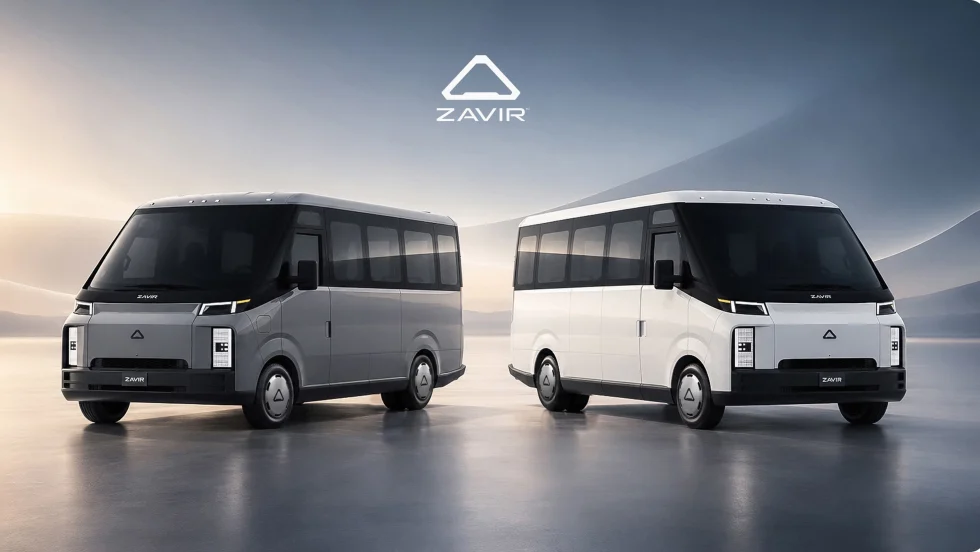
ENC Unveils its ZAVIR Medium-Duty Shuttle
Two variants of the concept shuttles were revealed: a low-floor configuration and a high-floor configuration.
Read More →
Could Your Next Fleet Technician Start as an Intern?
What if your next technician hasn’t worked in a fleet shop yet? What fleets are doing to free up time.
Read More →
How Phoenix Is Building Its Next Generation of Fleet Technicians
With more than 8,000 vehicles and pieces of equipment to maintain, the City of Phoenix could not afford to wait for fully trained technicians to walk through the door. Instead, they revamped their entire workforce strategy and showed how public fleets can create their own talent pipeline while preparing existing employees for increasingly complex vehicles.
Read More →
What’s Slowing Your Fleet Down?
Could a change in how work gets done help your fleet return vehicles to service sooner?
Read More →