




Similar Content: How to Prevent Vehicle Underutilization
How a Fleet Manager Shrank His Fleet Despite City Growth
While the City of Greenville, South Carolina, had a population boom, its fleet did not. The fleet manager shares how.

Christy Grimes・Former Senior Editor
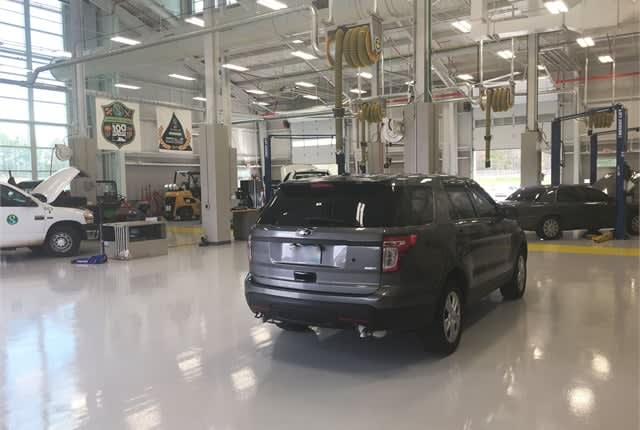
Despite seeing major growth in the last 10 years, Greenville's fleet size has decreased, thanks to some strategic moves.
Photo: City of Greenville
4 min to read
In a 10-year period, Greenville, South Carolina, grew from 451,000 people to 525,000 people, according to the U.S. Census. Despite that huge population boom, city Fleet Manager Scott McIver, CPFP, was able to decrease the size of his fleet.
Greenville’s fleet had around 800 vehicles several years ago, but McIver dropped that number to around 600 after analyzing ways he could bring the number down. Currently, his fleet has just over 1,200 vehicles.
After the department inherited an entire division from the parks and recreation department, which includes turf and tree maintenance equipment, his fleet has risen to its current total of just over 1,200 vehicles. While that addition brought his number back up, McIver is still proud of the major cut he was able to make. Here’s how he did it.
Buying Vehicles Strategically
McIver discovered he could use some of his vehicles for multiple purposes. One of the fleet’s most versatile pieces, he said, is the Multihog machine. The unit has several attachments to change what it can do.
For instance, customers can clean sidewalks using the pressure washer unit, then attach a high-speed blower to clear out leaves and debris. McIver said this helped him eliminate several portable pressure washers, a water truck that was used to water plants in road medians, and several walk-behind and backpack blowers.
The department was also able to stop renting concrete grinders and street brushes This one machine alone has also freed up several team members to be utilized elsewhere, increasing productivity and efficiency.
Greenville started modernizing its fleet in 2016 — a process that’s expensive up front but has long-term payoffs. Newer vehicles mean fewer repairs, which also means not needing as many spare vehicles, allowing McIver to remarket excess vehicles.
Part of the modernization process included standardizing to a specific OEM. This allows multiple departments to easily use the same vehicle.
Improved utilization techniques also helped the department reduce its fleet size. User departments like the storm water, wastewater, and street departments can use one backhoe between the three of them, based on utilization and scheduling. Jobs are scheduled around the availability of the equipment.
This makes the teams more efficient because employees know the machine is scheduled for the next job and don’t let it sit, collecting dust. McIver also has a contingency machine ready to use when needed.
McIver said the modernization process started after consultants visited his fleet facility and told him his fleet was the oldest they had seen. Now, the average age of the city’s fleet vehicles is six years.
Before beginning the modernization process, the average age of McIver’s fleet vehicles was about 15-years-old. McIver’s fleet replacement plan stretches out 15 years, so he can adequately fund the vehicles and know what is set to be replaced each year.
Every vehicle in the plan has a replacement date. Police units are replaced every seven years; garbage, dump, and sweeper trucks are replaced after eight years; SUVs and pickup trucks are replaced every 10 years, and construction equipment and trailers are replaced every 15 years. Previously, McIver’s fleet wasn’t on a replacement cycle.
New Vehicles Will Be Needed
Despite the ability to cut back on his fleet size, McIver has still seen a need for new vehicles in some instances. In one example, as the city annexes new areas and expands, a terrain with a pond or river may lead to the need for an entirely unique set of equipment to be maintained. The same applies to vehicles needed for bridge repairs after building pedestrian bridges.
McIver Provides Advice for Growing Fleets
McIver’s advice for fleet managers in growing communities is to seek suggestions and input from the vehicle operators. They will give you the insight needed to select the right equipment for the job and help you brainstorm ways to use the vehicles for multiple jobs, he said.
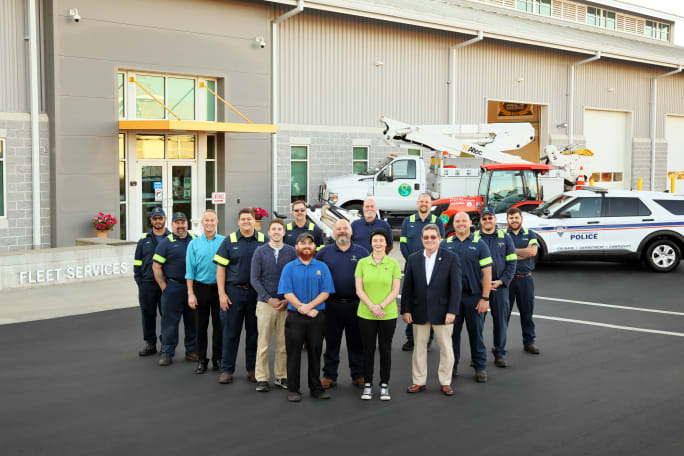
Scott McIver's team manages just over 1,200 vehicles.
Photo: City of Greenville
What Else is Going On in the Greenville Fleet?
McIver told Government Fleet the most complicated job he has handled in recent months has been spec-writing. He is starting preparations for the next wave of vehicle purchases for fiscal year 2023. It will include Greenville’s first fully electric fleet vehicles. The city currently has seven hybrids.
Prepping financially for the EVs isn’t the only thing McIver has to keep in mind; Greenville does all its own maintenance in-house, and he’s working to make sure his technicians have the proper training and tools to work on EVs.
When it comes to the ongoing supply chain crisis, McIver said he has beefed up a lot of his inventory to keep his fleet from being hurt too badly. He was able to increase his operating budget by 8% to account for the growing supply costs for things like parts, freight charges, and fuel charges.
That increase will be re-examined each quarter as the crisis continues; the funding will be redispersed if it’s not needed for supplies. The department’s capital budget also increased by 5% to cover increased vehicle costs.
Subscribe to Our Newsletter
More Operations
Is Keeping Older Fleet Vehicles Really Saving Money?
Is keeping vehicles longer saving money, and what happens when a diagnostic test points to the wrong fix?
Read More →
How Smart Fleet Strategy Can Help Local Government Agencies Do More with Less
Keeping a vehicle longer may ease this year’s budget, but what does it cost the next one? A closer look at fleet decisions can reveal opportunities to reduce spending while protecting essential services.
Read More →
Connect with Government Fleet on LinkedIn
From industry news and fleet management strategies to conversations with peers, Government Fleet's LinkedIn page offers public-sector fleet professionals another way to stay informed and connected.
Read More →
Town of Queen Creek Named Most Successful Fleet Award Winner of Inaugural RTA Fleet Success Awards
Five fleets were honored at RTA Connect 2026 in Chicago for excellence across resource efficiency, intentional culture, risk management, and stakeholder satisfaction.
Read More →
Sponsored•October 14, 2026
A buyer's guide to fleet management software in 2027
Buying fleet management software in 2027 means looking beyond features and price. As fleet operations, technology and expectations evolve, this guide explores what today’s fleet professionals should consider when choosing a system that can deliver value now and adapt to what comes next.
Read More →
Hazard Alerts, Fleet Car Sales Rise and a New Shuttle Concept
Fleet car sales doubled, but the bigger picture tells a different story in this week’s roundup.
Read More →
How St. Johns County Turned Fleet Data Into Better Replacement Decisions
St. Johns County, Florida, had fleet data, but turning it into reliable decision guidance was another matter. Instead of starting over with a new fleet management system, the county connected existing tools and built a scoring system that gives managers an objective look at fleet health.
Read More →
Fleet Forward Conference Introduces One-Day Passes for 2026
New one-day registration lets fleet professionals attend Tuesday, Wednesday, or Thursday, with passes available for $249.
Read More →
ENC Unveils its ZAVIR Medium-Duty Shuttle
Two variants of the concept shuttles were revealed: a low-floor configuration and a high-floor configuration.
Read More →
Could Your Next Fleet Technician Start as an Intern?
What if your next technician hasn’t worked in a fleet shop yet? What fleets are doing to free up time.
Read More →