




Freeing Technicians for Higher-Priority Repairs
Could paid interns help public fleets free up experienced technicians for more complex repairs?
September 28, 2026


Fleets should decide which work requires their technicians’ expertise and consider outside support for work that does not.
Credit:
Government Fleet
4 min to read
When experienced technicians spend time on routine maintenance, more complex repairs can remain waiting. Over in California, the Santa Clarita Valley Water Agency has been addressing that exact problem through a paid internship program that places automotive students in the shop for $25 an hour.
During a session at the 2026 Government Fleet Expo & Conference, Jesus Martinez-Ramirez of Santa Clarita Valley Water Agency (SCV Water) fleet operations explained how the interns take on work suited to their experience. This allows the agency’s technicians to focus on repairs that require more advanced skills and have a greater effect on vehicle availability.
“It’s really been a win-win situation for us,” Martinez-Ramirez said. “Paying the interns is cheaper than the hourly cost of our technicians, and the interns get real-world experience as they’re doing that.”
Under the supervision of senior technicians, interns conduct vehicle inspections and perform basic maintenance. They can also help document repairs, allowing technicians to spend more of their time working on vehicles.
For SCV Water, the program does more than add capacity to the shop. It helps the agency direct experienced technicians toward the work where their skills provide the most value.
Building the Program Around Existing Partnerships
SCV Water developed the program through a relationship with a local high school that already had experience placing automotive students with public agencies. The school also worked with Goodwill, which initially covered intern wages, while the school handled workers' compensation.
That structure helped Martinez-Ramirez address management’s early concerns about cost and liability.
“When we presented that to management, it was kind of like a no-brainer,” he said. “It’s no cost, no liability.”
Questions remained about the work students could perform and what would happen if a maintenance error affected vehicle safety. SCV Water responded by limiting participation to students who were at least 18 and evaluating their technical preparation during the interview process.
New interns initially work alongside senior technicians so the fleet can determine how much supervision they need. Some arrive with enough training to work more independently, while others require closer oversight.
“We’ve had some interns that are really good, and they’re probably better than some techs at the dealership,” Martinez-Ramirez said.
The program has also required adjustments as interns learn their way around the shop. Martinez-Ramirez recalled an intern losing the remote for the mobile column lifts. The agency did not end the internship over the mistake, but staff began keeping a closer eye on how the interns handled shop equipment.
“Sometimes we forget that they’re still young and they’re gonna make those mistakes,” he said.
Protecting Technician Time
The underlying principle extends beyond internship programs, according to Eric Richardson, retired deputy chief fleet officer for New York City. Fleets should decide which work requires their technicians’ expertise and consider outside support for work that does not.
“Fix those things that you need to fix internally and outsource the rest,” Richardson said during the GFX session. “You want your fleet technicians working on the engine jobs in your sanitation trucks or your fire trucks or your police vehicles that you don’t want to send out because of security.”
Prioritization also affects how technicians respond when they discover a secondary defect during an unrelated repair. Richardson said technicians often want to return a vehicle in the best possible condition, but addressing every lower-priority issue during the same visit can unnecessarily extend downtime.
If the additional defect does not affect safety or operation, the fleet can document it for later service and return the vehicle to work.
“Sometimes you just have to say, you know what? I’m gonna get that vehicle out of the downtime clock, and then we’ll take care of everything else later,” Richardson said.
That approach requires a reliable process for recording deferred work, so it is not forgotten. It also requires clear criteria for distinguishing a defect that can wait from one that must be repaired before the vehicle returns to service.
Finding Downtime Outside the Repair Bay
SCV Water has also examined the time vehicles lose before and after the actual repair. Martinez-Ramirez said mobile service has allowed some recall work to be completed at the agency’s facility instead of requiring employees to transport vehicles to a dealership.
The fleet has also received authorization to perform some warranty work in-house. Martinez-Ramirez said that gives staff another way to complete eligible repairs without sending a vehicle to the dealership. Together with mobile service, it allows the agency to handle more work at its own facility.
The time saved goes beyond the repair itself. A dealership visit can require two employees to deliver a vehicle, followed by another trip to retrieve it. Martinez-Ramirez said reducing those trips helps the fleet avoid the “hidden time” involved in moving vehicles between facilities.
The internship program has produced a longer-term benefit as well. SCV Water hired one of its interns, turning the program into a direct path into public fleet employment.
“We were actually able to hire one of them, which is really exciting,” Martinez-Ramirez said. “Now, it’s a matter of just helping them continue to grow.”
Subscribe to Our Newsletter
More Maintenance

Sponsored•September 18, 2026
Stay ready, set and safer with verified fleet inspections
When fleet inspections aren’t verifiable, missed defects can quickly become downtime, safety risks, and service delays. This white paper shows government and municipal fleet leaders how digital inspections can improve accountability, catch issues earlier, and keep vehicles ready when they’re needed most.
Read More →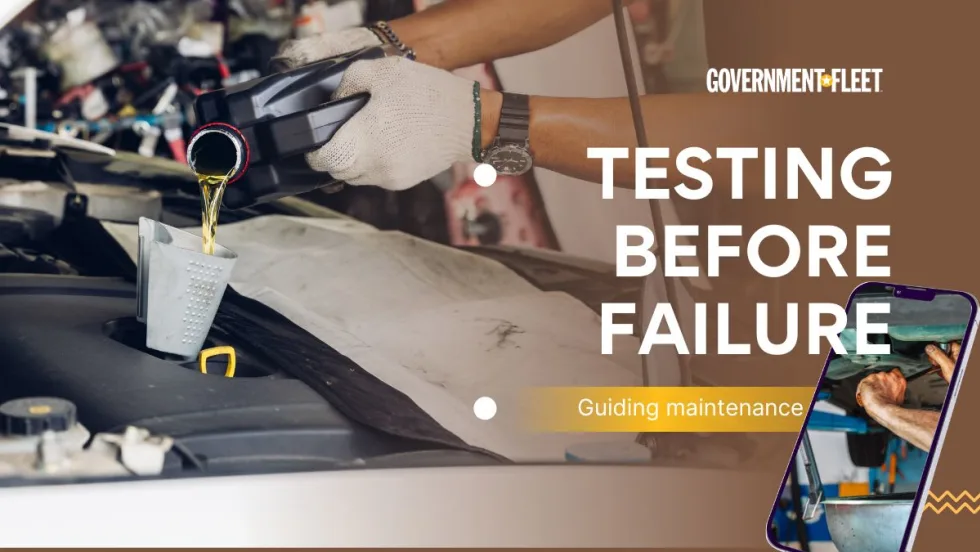
Using Oil Analysis to Help with Engine Losses
How a Texas city changed its lubrication practices and began tailoring preventive maintenance intervals after test results showed oil degradation and fuel dilution.
Read More →
Sponsored•August 10, 2026
Hidden in Plain Sight: Fleet Compliance Risks
Fleet compliance isn't just about having policies — it's about consistently enforcing them. This practical guide reveals six hidden compliance risks common in public sector and shared fleet operations and outlines proven strategies to improve visibility, accountability, and audit readiness.
Read More →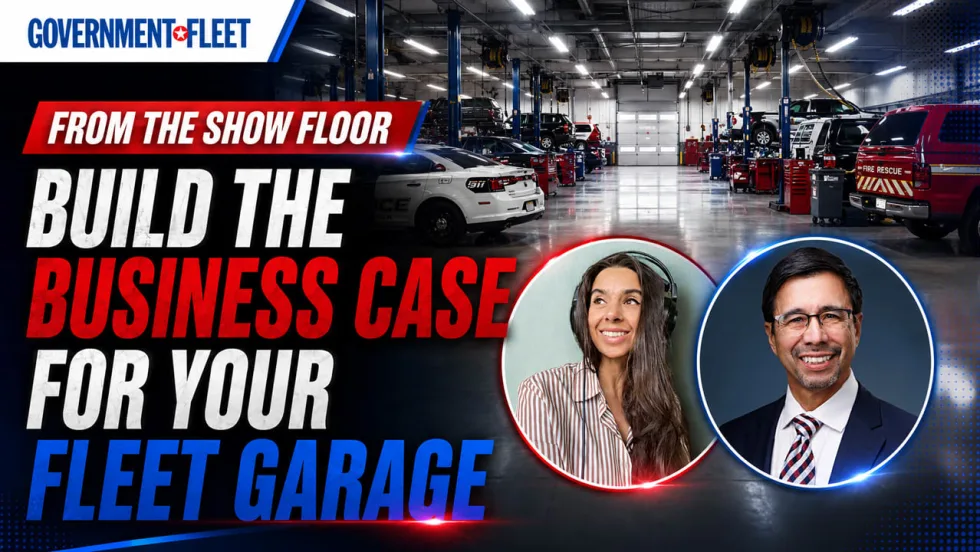
Is Your Fleet Garage Holding Back Your Operation? | The Fleet Breakroom
Norman Barrientos of Barrientos Design & Consulting explains how agencies can use operational data to show decision-makers why a replacement or major renovation is needed.
Read More →
Reducing Long-Term Maintenance Costs and Downtime
Downtime is rarely caused by a single surprise failure but rather by an issue that builds over time through setbacks ranging from deferred maintenance to poor replacement planning. So what's the fix?
Read More →
The Future of Government Fleet Technicians with Mike Cleary
Insight on preparing for hybrid and electric vehicle service, what fleets need to know about recruiting technicians in a competitive market, and how to make the most of limited training budgets.
Read More →
Work Orders Are More Than Records. They're a Roadmap to Fleet Availability
What if your work orders could predict failures, uncover hidden costs, and boost fleet availability? Here's how leading fleets are using the data.
Read More →
Drive More Profit with Greater Fleet Uptime
Fleet downtime costs money. JASPER helps keep vehicles on the road with quality remanufactured components, fast nationwide delivery, and reliable solutions that boost uptime and profitability.
Read More →
Smart Seasonal Maintenance Tips for Government Fleets
Government fleets carry extra weight, and routes, schedules, and public trust depend on reliability. A systematic spring checklist keeps vehicles in service when agencies need them most.
Read More →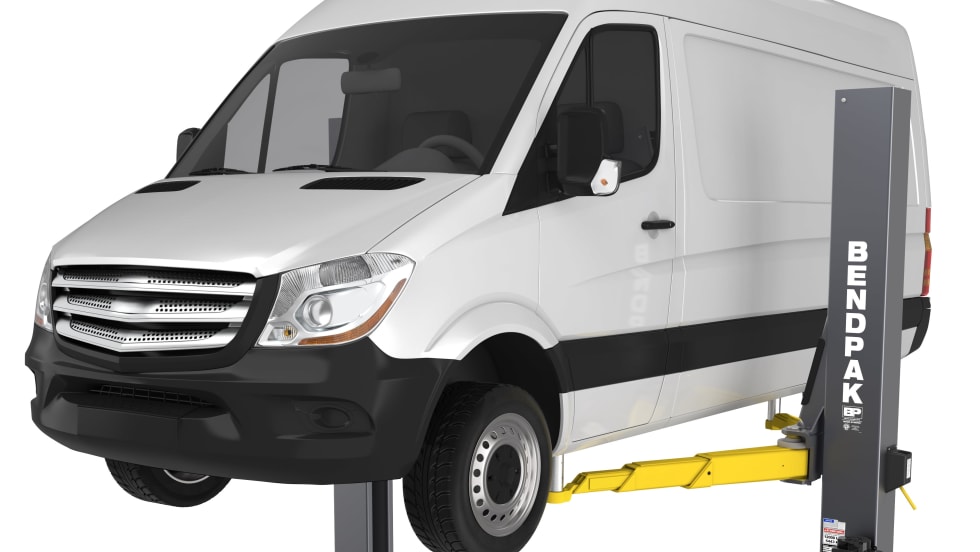
BendPak Debuts 12APF Two-Post Lift for Tall Vehicles in Low-Ceiling Shops
New 12,000-lb. open-top lift designed for commercial vans, trucks, SUVs, and fleet vehicles
Read More →