




Smart Seasonal Maintenance Tips for Government Fleets
Government fleets carry extra weight, and routes, schedules, and public trust depend on reliability. A systematic spring checklist keeps vehicles in service when agencies need them most.
by Jimmy Bink
April 17, 2026
Credit:
Government Fleet
8 min to read
- Spring inspections are crucial for government fleets to avoid costly repairs and service disruptions in the summer.
- Routine maintenance during spring helps address winter-related vehicle stresses and prevents potential summer mechanical failures.
- Key focus areas include checking the cooling system, such as inspecting hoses and testing water pumps for proper function.
*Summarized by AI
Winter leaves damage behind, and spring is when it shows up. Emergency repairs in peak summer cost more and disrupt service more than a spring inspection. Government fleets carry extra weight, and routes, schedules, and public trust depend on reliability.
A systematic spring checklist keeps vehicles in service when agencies need them most.
Spring maintenance prevents costly summer breakdowns and keeps public services running smoothly. The transition from winter damage to summer heat creates a perfect storm for mechanical failures. Smart fleet managers use spring's moderate temperatures to address problems before they strand vehicles in July heat.
Quick Spring Maintenance Checklist
Start with systems that winter stresses most:
● Cooling system: Inspect hoses for soft spots, cracks, and swelling. Test water pumps for circulation and pressure. Verify the full cooling loop before temperatures climb.
● AC system: Perform pressure checks to ensure systems are functioning properly. Clean or replace filters before the season opens. Test compressor operation under load.
● Battery and charging: Load-test after winter strain. Clean terminals and grounds. Confirm alternator output holds proper voltage with all accessories running.
● Brakes: Measure brake depth to state specifications. Check for winter-caused glazing and rust.
● Tires: Verify tire pressure and tread depth at inner, middle, and outer positions.
● Body seals: Inspect caulking around windows, doors, and roof joints. Reseal compromised areas. Water test before spring rain arrives.
● Emergency exits: Confirm all windows and doors open and close freely. Winter moisture can cause mechanisms to seize.
● Fluids: Top-off or flush systems as needed. Verify coolant strength and oil condition.
Cooling System Preparation
Summer heat stress exposes what winter left behind. Start with a visual inspection of all hoses and ensure the engine coolant level is at the proper specification. Look for soft spots, cracks, or swelling that signal impending failure. A hose that survives winter may fail when temperatures climb and pressure increases.
Test water pumps by checking circulation and pressure throughout the system. Feel the upper and lower radiator hoses after the engine reaches operating temperature. Both should be hot if the coolant circulates properly. Cold spots indicate restricted flow or pump problems.
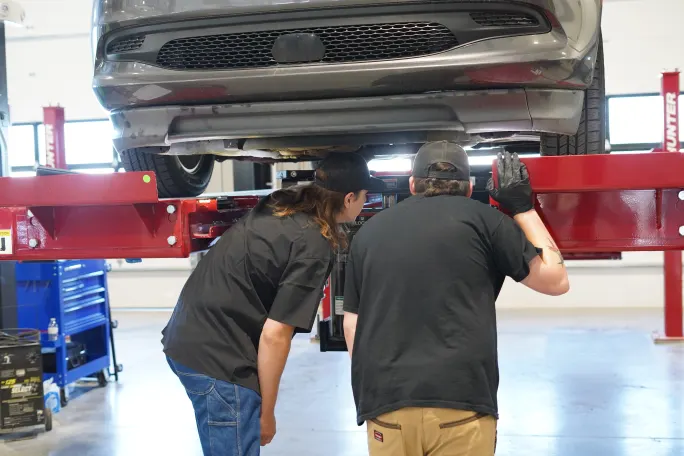
It is recommended that technicians be trained on refrigerant handling, cooling system procedures, and state-specific measurement standards
Credit:
Master's Transportation
For government fleets, cooling system reliability is critical. If a patrol vehicle overheats during a shift, officers face potential safety risks and response delays. Address cooling issues during scheduled maintenance, not during emergency calls. Fix cooling problems in the shop, not on the street.
Air Conditioning System Prep
Government vehicles must handle morning comfort and afternoon heat reliably. Operators depend on working AC systems, especially in extreme temperatures during extended shifts.
Check refrigerant charge using proper gauges. The system should hold pressure with no leaks.
Recommended if an evac and recharge of the a/c system is needed to ensure oil with dye is being put back into the system. This will help identify any leaks in the system and could minimize downtime while the unit is out of service. Clean or replace cabin air filters before the season opens.
Dirty filters reduce airflow and strain the system. Ensure the condenser and evaporator are free of dust and debris.
Test the compressor under full load. AC problems often surface gradually, starting with reduced cooling capacity before complete failure. Catch them early through systematic testing.
In regions like Texas, where summer temperatures routinely exceed 100 degrees, AC system failure in a utility truck creates immediate safety concerns. Operator comfort becomes a workplace safety issue during long shifts in direct sunlight.
Battery System Maintenance
Winter drains battery capacity without obvious warning signs. Cold weather reduces chemical activity inside batteries. Repeated cold starts stress the charging system.
Load-test every battery and read the results correctly. A battery that shows 12.6 volts at rest may fail under cranking load. Clean terminals and inspect for parasitic draw that slowly drains power. Be sure to check the body grounds are free of corrosion or rust from the winter months.
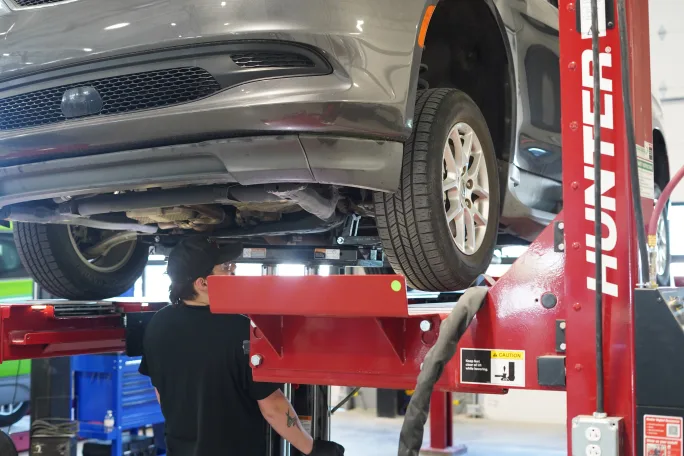
Government fleets carry extra weight, and routes, schedules, and public trust depend on reliability. A systematic spring checklist keeps vehicles in service when agencies need them most.
Credit:
Master's Transportation
Confirm alternator output under full electrical load. Turn on the headlights, AC, and all accessories, then verify that the voltage stays above 13.5 volts at idle. Weak charging systems cause repeated battery failures.
A disabled shuttle bus stranded at the airport during rush hour represents a preventable public service failure. Government fleets can't afford to gamble on transmission reliability during peak passenger transport periods.
Brake and Tire Inspections
Winter does serious damage to brake systems. Road salt corrodes lines and fittings. Moisture causes rotors to rust. Brake pads glaze from repeated wet-weather stops.
Brake specifications vary by state. Texas Department of Public Safety requires brake pad thickness of 4/32 inch minimum for pads and 2/32 inch for brake shoes on commercial vehicles subject to state inspection.
Inspect rotors for lips, burn rings, and cracks. Check brake lines for corrosion and rust, especially at fittings, and check brake hoses for cracks or bulging, especially where salt spray reaches components.
For tires, verify pressure matches the specification on the vehicle identification plate. Check tread depth at inner, middle, and outer positions using proper measurement tools. Each state has unique requirements for tire safety standards.
Colorado law requires tread depth of at least 2/32 inch measured in any two tread grooves at three locations equally spaced around the tire circumference, while Texas follows similar standards requiring 2/32 inch minimum tread depth for safe operation.
Look for sidewall cracks, bulges, or damage from winter potholes. Colorado regulations specify that tires are unsafe if they have any bump, bulge, or knot affecting tire structure, or breaks that expose body cord.
Parks department vehicles operate on varied terrain with heavy loads. Tire failure during tree trimming or facility repairs disrupts schedules and creates safety hazards. Regular measurement and inspection prevent roadside problems.
Body Seals and Water Intrusion
Spring rain finds every crack winter created. Water that enters the vehicle structure causes corrosion, mold, and interior damage that shortens vehicle life.
Inspect seals around windows, doors, roof joints, and equipment compartments. Look for cracked or missing caulk. Check floor-to-wall transitions where water can pool and migrate.
On steel-frame builds, pay special attention to toolbox mounting points and through-floor fasteners where equipment attaches. These joints see stress and often develop leaks. On aluminum construction, integrated mounting systems reduce intrusion but still require sealed joints.
Remove old, cracked sealant completely before applying new material. Use quality automotive sealant designed for the application. Water-test the vehicle after resealing to confirm the repairs worked.
Interior damage in a government vehicle creates liability issues and accelerates replacement schedules. Preventive sealing costs far less than interior restoration or equipment replacement.
Emergency Exit Functionality
Spring offers the perfect time to test safety systems. Check all emergency exits and safety equipment for free operation. Look for seized mechanisms, sticking frames, or swollen seals from winter moisture.
Lubricate hinges and latches with appropriate products. Verify that emergency release mechanisms work smoothly. Test backup systems where installed.
Safety compliance for government vehicles is non-negotiable, whether transporting passengers or protecting operators during dangerous work. Emergency systems must function reliably in all conditions. Spring testing identifies problems before they matter.
The Driver's Role in Spring Reliability
Operators remain your first line of defense against mechanical problems. They see, hear, and feel changes before warning lights appear.
Brief operators in the spring season start on what to watch for: slow AC response, unusual smells,stiff steering, brake pedal has good response and not spongy, safety equipment sealed, and any warning lights. Ask them to report these issues immediately.
During pre-trip inspections, drivers should test AC operation, check for visible leaks, and verify all lights work properly. An operator who catches a small coolant leak prevents a roadside breakdown during critical services.
Government fleet operators understand their role in public service. Give them the tools and training to spot problems early.
Red Flags That Need Immediate Attention
Some problems demand immediate action:
● AC that won't hold charge: Indicates refrigerant leak, compressor wear, or system
contamination. Fix before summer heat arrives.
● Battery that struggles after load test: Replace before summer heat compounds the
problem. Weak batteries fail when you need them most.
● Body seals showing water staining: Reseal and water test immediately. Water damage spreads quickly once it starts.
● Safety equipment that sticks or resists: Inspect and repair before returning to service. Safety systems must work reliably.
● Any dashboard warning light: Check engine, ABS, or brake warnings signal developing problems. Don't defer these repairs.
Getting the Shop Spring-Ready
Standardize a spring checklist with assigned accountability. Each technician should know their responsibilities and deadlines.
Schedule AC, cooling, and seal work before temperatures climb. Summer emergency repairs cost more and take longer than planned spring maintenance.
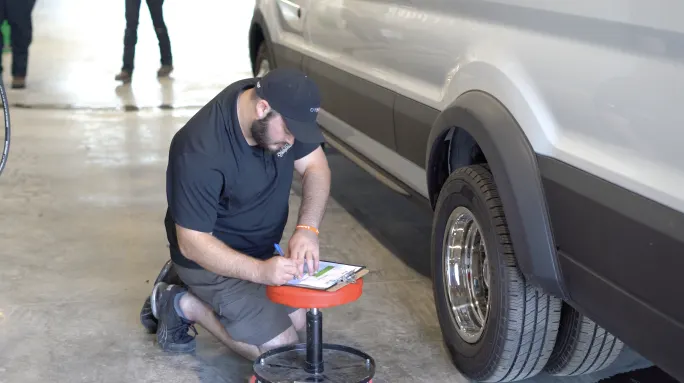
Measure brake depth to ensure it meets state specifications. Check for winter-caused glazing and rust. Verify tire pressure and tread depth at inner, middle, and outer
Credit:
Master's Transportation
Train technicians on refrigerant handling, cooling system procedures, and state-specific measurement standards. Texas technicians must understand Department of Public Safety inspection requirements for commercial vehicles. Colorado technicians need familiarity with state tire safety regulations that specify tread depth measurement methods.
Stock commonly needed parts before peak season arrives. AC components, belts, hoses, and seals have long lead times when everyone needs them at once.
A shop that runs a spring checklist doesn't scramble in July when temperatures soar and service demands peak.
Long-Term Parking and Summer Storage
Government fleets often include seasonal vehicles that sit idle during warm months. Snowplows, salt spreaders, and emergency equipment need proper storage preparation.
Service vehicles completely before parking: change oil, flush coolant, top off all fluids, and lubricate chassis points. Start engines monthly and drive short distances to circulate fluids and prevent flat spots on tires.
Park vehicles away from direct sunlight when possible. Sun and heat accelerate interior deterioration and fade exterior finishes. Use fuel stabilizer in tanks that sit for extended periods.
Inspect for rodent damage before returning stored vehicles to service. Mice and rats target wiring harnesses during idle periods. Check for nests in the engine bay, air cleaner housings, and exhaust systems.
A proactive storage plan prevents fall surprises when winter crews need equipment most.
Spring Maintenance Quick Reference
Use this checklist for systematic spring preparation:
● Cooling system: Inspect hoses, test pumps, verify circulation
● AC system: Check charge, clean filters, condensers, and evaporators, and test operations
● Battery and charging: Load test, clean terminals, verify alternator output
● Brakes and tires: Measure to state spec, check for damage, verify pressure
● Body seals: Inspect, reseal, water test
● Emergency exits: Test operation, lubricate mechanisms
● Fluids: Top off, flush as needed
● Storage prep: Service before parking, prevent pest damage
Spring maintenance keeps government fleets running when communities depend on them most. The investment in preventive care pays dividends in reliability, safety, and public trust.
Topics:Maintenance
Subscribe to Our Newsletter
More Maintenance

Freeing Technicians for Higher-Priority Repairs
Could paid interns help public fleets free up experienced technicians for more complex repairs?
Read More →
Sponsored•September 18, 2026
Stay ready, set and safer with verified fleet inspections
When fleet inspections aren’t verifiable, missed defects can quickly become downtime, safety risks, and service delays. This white paper shows government and municipal fleet leaders how digital inspections can improve accountability, catch issues earlier, and keep vehicles ready when they’re needed most.
Read More →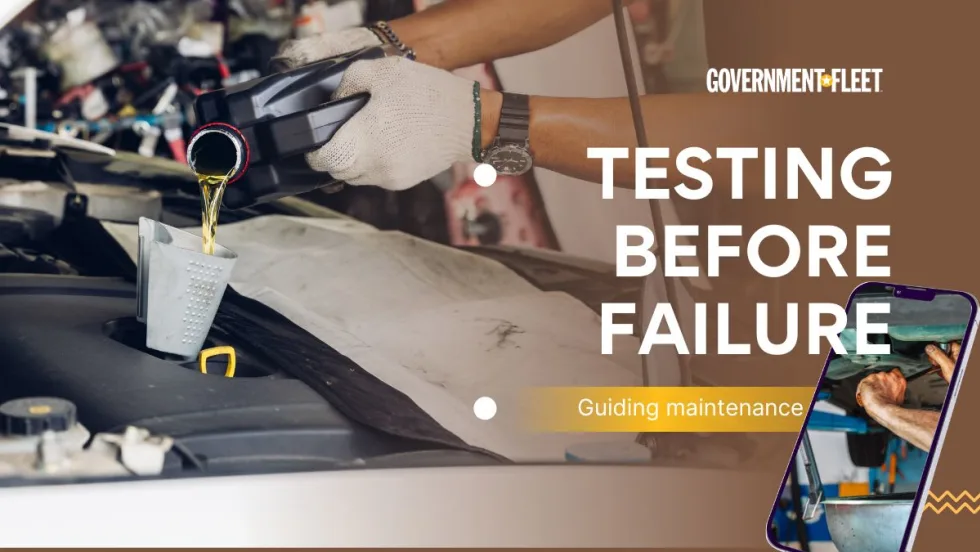
Using Oil Analysis to Help with Engine Losses
How a Texas city changed its lubrication practices and began tailoring preventive maintenance intervals after test results showed oil degradation and fuel dilution.
Read More →
Sponsored•August 10, 2026
Hidden in Plain Sight: Fleet Compliance Risks
Fleet compliance isn't just about having policies — it's about consistently enforcing them. This practical guide reveals six hidden compliance risks common in public sector and shared fleet operations and outlines proven strategies to improve visibility, accountability, and audit readiness.
Read More →
Is Your Fleet Garage Holding Back Your Operation? | The Fleet Breakroom
Norman Barrientos of Barrientos Design & Consulting explains how agencies can use operational data to show decision-makers why a replacement or major renovation is needed.
Read More →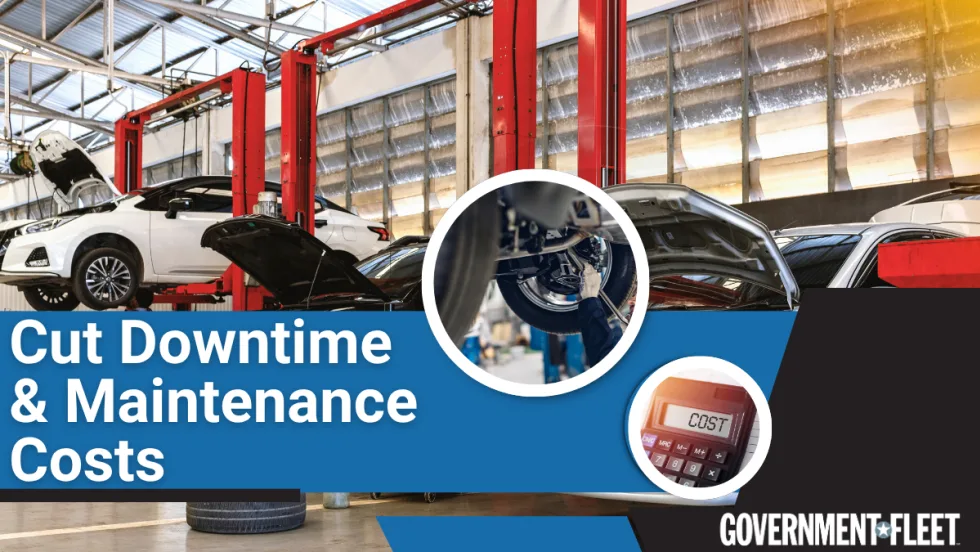
Reducing Long-Term Maintenance Costs and Downtime
Downtime is rarely caused by a single surprise failure but rather by an issue that builds over time through setbacks ranging from deferred maintenance to poor replacement planning. So what's the fix?
Read More →
The Future of Government Fleet Technicians with Mike Cleary
Insight on preparing for hybrid and electric vehicle service, what fleets need to know about recruiting technicians in a competitive market, and how to make the most of limited training budgets.
Read More →
Work Orders Are More Than Records. They're a Roadmap to Fleet Availability
What if your work orders could predict failures, uncover hidden costs, and boost fleet availability? Here's how leading fleets are using the data.
Read More →
Drive More Profit with Greater Fleet Uptime
Fleet downtime costs money. JASPER helps keep vehicles on the road with quality remanufactured components, fast nationwide delivery, and reliable solutions that boost uptime and profitability.
Read More →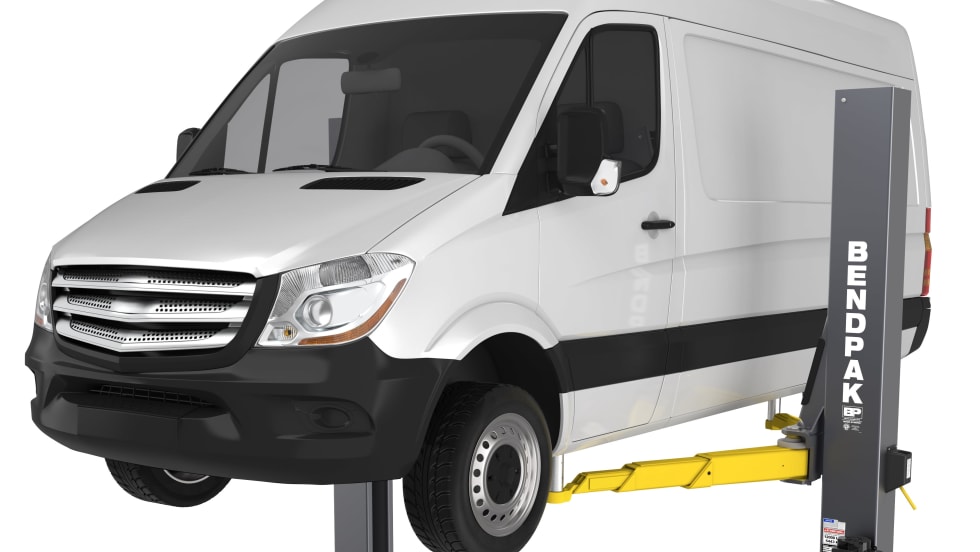
BendPak Debuts 12APF Two-Post Lift for Tall Vehicles in Low-Ceiling Shops
New 12,000-lb. open-top lift designed for commercial vans, trucks, SUVs, and fleet vehicles
Read More →