


DCAS By the Numbers:
28,700 vehicles
80,000 vehicle operators
250,000 work orders annually
 MENU
MENU SEARCH
How New York City’s Department of Citywide Administrative Services is offering invaluable learning opportunities for high school students and creating a direct talent pipeline to hire from.

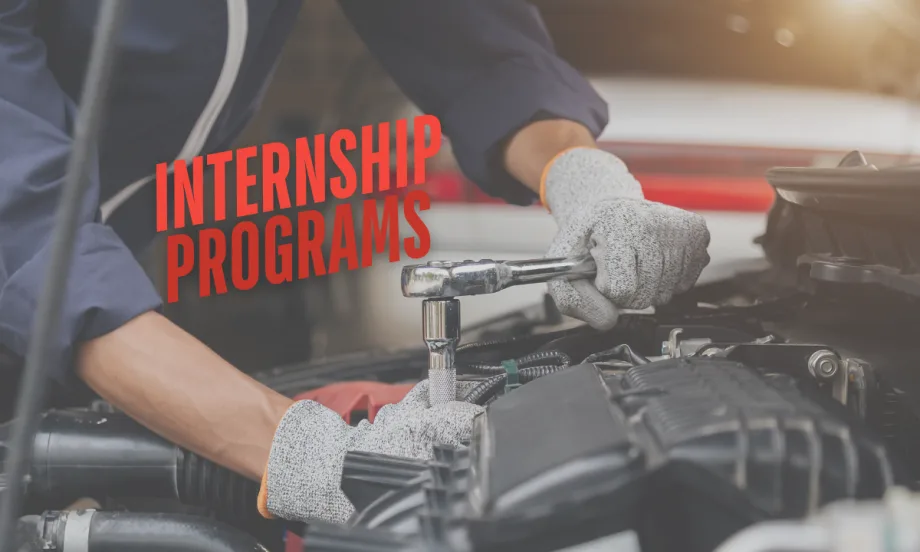
Early training opportunities like internships can help fleet departments reduce reliance on external recruitment, opening the doors for city agencies to hire former interns they are familiar with who they know can get the job done.
Photo: Government Fleet
Automotive service shops across the country are struggling to recruit and retain skilled technicians. Government fleet departments are no different.
What can make this even more challenging is that people looking to go into the automotive maintenance industry often don’t know their local governments even have fleet operations.
New York City’s Department of Citywide Administrative Services (DCAS) is combating this by opening its doors — err, bays — to potential hires from a young age.
The city, which has just under 29,000 vehicles for up to 80,000 fleet operators, has had a paid high school internship program for multiple agencies for decades, but DCAS took over management to centralize the program 10 years ago.
DCAS partners with the New York City Public Schools Career and Technical Education program to offer internships to students at 10 automotive high schools throughout the city.
The department just expanded its program to offer seasonal internships year-round. Nearly 500 students have worked through fleet internships with DCAS in the last 10 years.
Students are given a chance to work on a variety of vehicles to help prepare them for working a professional automotive service job — whether for fleet, at a dealership, or mobile service center.
Students must apply for the internship, and not all interested students are accepted into the program. It’s for students who are interested in getting their hands dirty and kickstarting their real-world experience.
These are real fleet vehicles, after all. And DCAS is always working to get vehicles in and out of the shop, taking on an average of 250,000 work orders per year.
Students are assigned to work for different agencies throughout the city, so they have a chance to work on everything from light- to heavy-duty vehicles.
This is unique, because it brings opportunities to gain education and experience beyond standard classroom test cars.
“What does it take to do an engine transmission replacement on an ambulance? These are big jobs that interns get to observe, giving them exposure to the realities of fleet repair,” New York City Chief Fleet Officer Keith Kerman said.
The program gives them a peek at what to expect when they start working full-time in the industry.
“It’s not just about skills — it’s their first job experience. They learn what it means to come to work on time, work safely, and engage with real-world challenges in a dynamic environment,” Kerman added.
After completing an internship through DCAS and graduating from the automotive high schools, where students earn an ASE certification, they can take a civil service exam, which creates a pathway to a career in automotive service.
The exam is required for entry-level automotive repair titles.
Beyond providing students with hands-on experience, the program also addresses workforce challenges faced by DCAS.
The program is invaluable for DCAS, because it can help the department staff its fleet shops.
Interns gain practical skills that align with fleet operations, ensuring a ready pool of entry-level employees who are familiar with the unique demands of municipal fleet work. The benefits are twofold.
“This isn’t just about feel-good initiatives — it makes sense for our operations. We’re planning for future employees while addressing the real challenge of finding skilled mechanics,” Kerman said. “Why not create a program where students not only learn but can see a clear path to working with us? It’s a win-win for the students and for our agencies.”
This early training opportunity for the interns can help the department reduce reliance on external recruitment, opening the doors for city agencies to hire former interns they are familiar with who they know can get the job done.
A recent addition to the internship program is a day-long safety training. Interns learn about an array of vehicle safety technologies, such as Advanced Driver Assistance Systems, Intelligent Speed Assist, side guards, and high-vision trucks.
Interns also learn about shop safety, a crucial topic to any fleet operation. This includes things like using tools and machinery safely, as well as preventing leaks and protecting themselves from exhaust emissions.
Safety training equips interns with vital technical skills and instills a deep understanding of fleet safety.
“The goal is to expose interns to safety technologies and practices early so they carry those lessons throughout their careers,” Kerman said.
As city fleet vehicles transition to electric and hybrid vehicles, the training interns receives also shifts.
“When you join the city fleet, you’ll encounter electric and hybrid vehicles on day one. Even if you go to a dealership or a local repair shop, you’ll see the same trends — so we want this experience to start in high school,” Kerman said.
While internal combustion engine vehicles will be around for many years, EVs and hybrids are becoming more common.
“We’re in a transition phase in the industry, and it’s critical to expose students to sustainability-focused training to meet the demands of tomorrow’s workforce,” he added.
The program has been well-received by existing fleet employees, who have enjoyed having the chance to pass on their skills to the next generation of technicians.
“Automotive is a tough job — it’s an endless stream of repairs. Having young, spirited interns is a great break from the daily grind for our mechanics,” Kerman said.
But the benefits go beyond teaching the basics.
“The program isn’t just for the interns—it’s for the mechanics too. It gives them an opportunity to connect, mentor, and see the future of the industry through these students,” Kerman said. “It’s not just about teaching the trade; it’s about sharing what it means to work safely and responsibly in a dynamic environment. The mechanics take pride in helping these interns succeed.”
A strong internship program isn’t just possible in big cities like New York; it’s attainable anywhere.
Kerman encourages fleet managers to reach out to local high schools, community colleges, or universities to establish partnerships.
It’s also worth exploring funding opportunities such as grant programs or external partners to offer paid internships. DCAS receives federal funding to pay its interns.
“Programs like this make sense for operations and help secure the future workforce while providing students with valuable skills and career opportunities,” Kerman said.
Even if you don’t have the capability right now to start an internship program, there are other ways you can have an impact.
DCAS has donated 21 vehicles to city automotive schools for use in automotive repair and driver education. This allows students who are not in the internship program to still do hands-on learning with unique vehicles.
DCAS’ internship program serves as a blueprint for addressing workforce challenges while investing in the future of fleet.
Through hands-on experience, safety and sustainability training, and a direct pathway to employment, the program benefits not only the students, but also the agencies and technicians who work alongside them.
For other fleet managers, the message is clear: building programs like this isn’t just a possibility — it’s a necessity for the future of the industry.
“Training interns early helps us secure a qualified and motivated workforce for years to come. It’s an investment in our operations and the future of the industry,” Kerman said. “It’s not just about filling positions today — it’s about building a sustainable, skilled workforce for tomorrow.”

Is keeping vehicles longer saving money, and what happens when a diagnostic test points to the wrong fix?
Read More →
Keeping a vehicle longer may ease this year’s budget, but what does it cost the next one? A closer look at fleet decisions can reveal opportunities to reduce spending while protecting essential services.
Read More →
From industry news and fleet management strategies to conversations with peers, Government Fleet's LinkedIn page offers public-sector fleet professionals another way to stay informed and connected.
Read More →
Five fleets were honored at RTA Connect 2026 in Chicago for excellence across resource efficiency, intentional culture, risk management, and stakeholder satisfaction.
Read More →
Buying fleet management software in 2027 means looking beyond features and price. As fleet operations, technology and expectations evolve, this guide explores what today’s fleet professionals should consider when choosing a system that can deliver value now and adapt to what comes next.
Read More →
Fleet car sales doubled, but the bigger picture tells a different story in this week’s roundup.
Read More →
St. Johns County, Florida, had fleet data, but turning it into reliable decision guidance was another matter. Instead of starting over with a new fleet management system, the county connected existing tools and built a scoring system that gives managers an objective look at fleet health.
Read More →
New one-day registration lets fleet professionals attend Tuesday, Wednesday, or Thursday, with passes available for $249.
Read More →
Two variants of the concept shuttles were revealed: a low-floor configuration and a high-floor configuration.
Read More →
What if your next technician hasn’t worked in a fleet shop yet? What fleets are doing to free up time.
Read More →